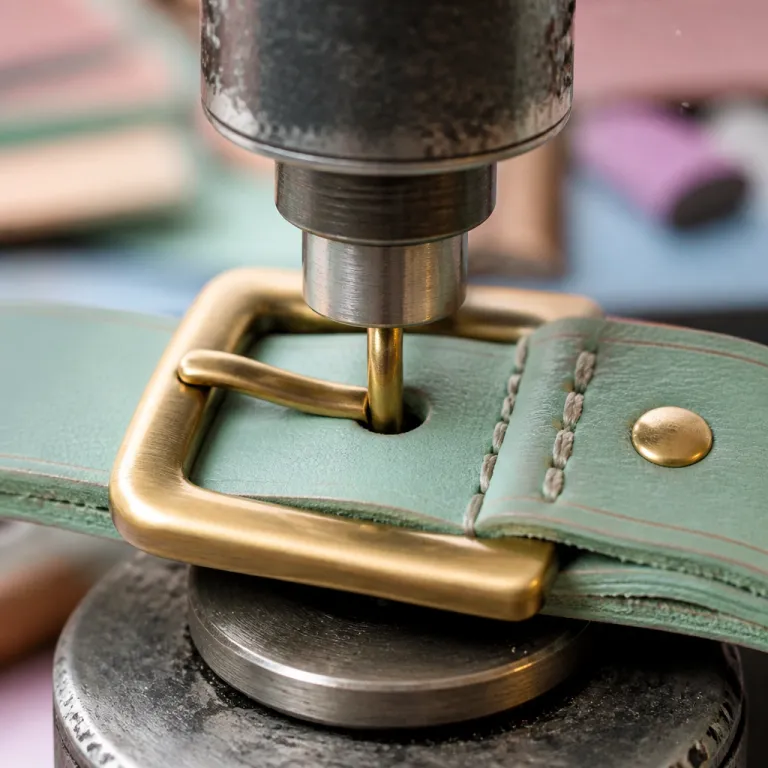
The solid brass belt buckle as the anchor of a luxury wardrobe
A refined wardrobe often starts with a single impeccable solid brass belt buckle. When that buckle is paired with a hand stitched leather belt, the ensemble quietly signals authority and long term discernment. A well chosen brass buckle can outlast several belts and still look composed, especially when the frame is around 30–35 mm wide for dress trousers and 38–40 mm for casual denim.
Collectors of luxury leather goods know that the best hardware works in harmony with the hide, so a solid brass belt buckle must age with the same grace as full grain calf or bridle leather. True solid brass, typically in the 60–40 copper to zinc range, develops a deep patina that enhances both formal belts for men and more relaxed buckle belt styles for weekend wear. This is why many owners in the United States treat a favorite brass belt as an heirloom object rather than a simple accessory.
When you select a premium belt buckle, you are not just buying a clasp for a leather belt, you are choosing how the entire silhouette reads from waist to shoe. A heavy, buckle solid design in polished brass suits structured tailoring, while slimmer buckles in brushed brass offer a quieter line for minimal wardrobes. For serious enthusiasts, a small tray of interchangeable belt buckles becomes as essential as a card holder or business card case, and the best examples are often stamped “solid brass” or marked with an alloy code on the reverse.
How brass works with leather to create enduring elegance
The relationship between brass and leather is physical, chemical, and aesthetic at once. When brass works correctly with vegetable tanned leather, the oils in the hide and the copper content in the solid brass form a subtle halo of darkening around the buckle. This gentle reaction is prized by connoisseurs because it proves that both the brass buckle and the leather belt are authentic, untreated, and of high quality rather than coated with heavy lacquers.
On a technical level, a solid brass belt buckle resists corrosion better than plated alloys, so it protects the belt tongue from premature wear and keeps the hole edges crisp for many years. This is especially important on structured cowboy western belts, where the buckle, the tip, and the keeper must all align cleanly to maintain the graphic line of the strap. The same principle applies to more understated belts for men, where a slim brass belt frame must glide smoothly through belt loops without scratching fine wool or cashmere; a typical dress buckle weighs 40–70 g, enough to feel substantial without dragging on the waistband.
For owners who curate accessories with the same care as watches, the way brass works with different leather finishes becomes a design language. Pair mirror polished belt buckles with high shine box calf, and use softly brushed solid brass on matte grained leather for a quieter effect. If you appreciate small objects of craft, you will find the same attention to detail in a well made buckle as in a refined leather key ring, which is explored in depth in this guide to the refined art of the leather key ring.
Custom hardware options for men who treat belts as investment pieces
Once you understand the value of a solid brass belt buckle, custom hardware becomes a logical next step. Commissioning custom buckles allows you to specify the exact dimensions, profile, and finish that best suit your waistline, trouser rise, and preferred leather thickness. This level of control transforms a simple belt into a calibrated instrument of style and lets you standardize widths across a small rotation of straps.
Many specialist ateliers in the United States and abroad now offer bespoke belt buckles in solid brass, with options ranging from hand engraved monograms to sculpted motifs such as an eagle belt emblem or a discreet family crest. Well regarded makers like Equus Leather, Frank Clegg, and Red Wing Heritage typically work with brass in the 60–40 copper to zinc range and offer frames around 30–35 mm wide for dress belts and 38–40 mm for casual straps, dimensions that sit comfortably on most men. Some workshops even create matching sets of buckles and business card cases, so your hardware language remains consistent across your accessories. When evaluating such services, ask about lead times for shipping orders, the origin of the brass, and whether the maker can provide a written guarantee of quality for both the buckle and the leather belt it will accompany.
For men who already own several luxury belts, a small rotation of custom brass belt designs can dramatically extend the life and versatility of their wardrobe. Swapping a minimalist buckle for a more assertive cowboy western frame instantly changes the mood of the same strap, especially when paired with a black denim ensemble and a subtle wallet chain such as the one examined in this article on why a black tailor wallet chain belongs in every refined wardrobe. In practice, a thoughtful set of three or four belt buckles can serve more outfits than a drawer full of redundant belts.
Iconography, heritage, and the language of the brass buckle
The imagery engraved or cast into a solid brass belt buckle carries cultural weight. A classic eagle belt motif, for example, references both American heraldry and the visual codes of vintage cowboy western belts. When executed in high relief on a heavy brass buckle, this symbol can feel either ceremonial or rebellious, depending on how it is styled and the scale of the frame.
Some collectors favor a buckle with an American flag rendered in enamel or low relief brass, which can read as patriotic when worn in the United States yet still function as a graphic design element abroad. Others commission custom belt buckles that reinterpret Native American inspired patterns with respect and collaboration, ensuring that any reference to Native American artistry is made through ethical partnerships and proper attribution. In all cases, the quality of the engraving and the depth of the casting should match the standard of the leather belt, otherwise the hardware will feel out of place on a luxury strap.
There is also a growing niche for historically informed designs that echo early American military buckles, where a simple brass belt frame is paired with a subtle motto or emblem. Some clients request discreet nods to phrases like “don't tread on me” by integrating only a coiled serpent or a fragment of the original typography into the buckle solid design. When you evaluate such pieces, focus less on the slogan and more on the clarity of the lines, the sharpness of the edges, and the way the buckle works with the curve of your belts.
Evaluating quality, provenance, and service when buying in the USA
For luxury owners, the decision to acquire a new solid brass belt buckle should follow the same rigor as purchasing a watch or briefcase. Start by examining whether the maker clearly states that the buckle is solid brass rather than brass plated zinc, and look for information about where the brass is cast and finished. Serious workshops in the USA and Europe usually specify their foundry partners and explain how their brass works are polished and sealed, sometimes even noting the approximate copper and zinc percentages.
Reputable brands that operate from the United States often highlight that their belt buckles are assembled or finished on American soil, even if some components are sourced globally. Many of these makers now offer free shipping within the USA for qualifying shipping orders, which is convenient but should never distract from assessing the underlying quality. A trustworthy atelier will invite you to contact its customer service team directly, answer technical questions about buckle dimensions, and provide clear care instructions for both the buckle and the leather belt.
When comparing options online, pay attention to how each business describes its guarantee of quality, its return policy, and its responsiveness to customer feedback. Some of the best workshops include a small care leaflet the size of a business card in the box, explaining how to maintain the patina of a brass belt and how to store belts flat to avoid creasing. If a maker positions itself as a buckle USA specialist yet offers only vague product descriptions, treat that as a warning sign and prioritize artisans who communicate with precision and transparency.
Building a focused belt and buckle capsule for refined daily use
Owners of multiple luxury bags and shoes often underestimate how much versatility a disciplined belt and buckle capsule can provide. A single dark brown leather belt with a removable solid brass belt buckle can serve both tailoring and denim when paired with the right hardware. By rotating two or three buckles across one or two belts, you reduce clutter while elevating consistency and making it easier to track wear on each strap.
A practical starting point is to assemble one black leather belt and one dark brown strap, each compatible with your preferred belt buckles in solid brass. Add a slim, polished buckle for formal wear, a slightly heavier brass buckle for business casual, and a more expressive cowboy western or eagle belt frame for off duty looks. This approach mirrors the philosophy outlined in this argument for owning three leather bags instead of twelve, where focus and quality trump sheer quantity.
Such a capsule also simplifies travel, especially when you are moving between cities in the United States and Europe and want to pack light without sacrificing elegance. One compact roll of two belts and three buckles occupies less space than multiple full belts, yet offers more styling options for men who shift from boardrooms to informal dinners. Over time, this disciplined approach encourages you to invest only in the best hardware and leather, reinforcing a long term guarantee of quality across your entire wardrobe.
Key figures on brass, leather, and luxury belt ownership
- According to data summarized by the International Copper Study Group (ICSG), brass alloys containing around 60 % copper and 40 % zinc offer a strong balance of corrosion resistance and workability, which explains their widespread use in high end belt buckles and other small hardware.
- Market research from Grand View Research indicates that the global luxury leather goods market exceeded 60 billion US dollars in annual revenue, with belts and small leather accessories representing a steadily growing share of that segment in both the United States and Europe.
- Studies cited by the Leather Working Group suggest that vegetable tanned leather belts, when properly maintained, can remain structurally sound for more than 15 years, which aligns well with the lifespan of a solid brass belt buckle that is cleaned and stored correctly.
- Consumer surveys reported by McKinsey show that more than 70 % of luxury buyers now consider traceability and material transparency as key factors in purchase decisions, reinforcing the importance of clear information about brass provenance and leather sourcing.
FAQ about solid brass belt buckles for luxury leather owners
How can I confirm that a belt buckle is truly solid brass ?
Authentic solid brass belt buckles usually have a warm, golden tone, noticeable weight in the hand, and often show subtle color variation where the metal has been machined or filed. Many makers stamp “solid brass” or a material code on the reverse, and reputable brands will state the composition clearly in their product descriptions. If a buckle feels unusually light or has flaking edges, it is likely brass plated rather than solid; a simple magnet test can also help, as genuine brass is non magnetic.
Will a solid brass buckle stain or damage my leather belt ?
High quality brass works harmoniously with vegetable tanned leather, and any darkening around the buckle holes is usually a natural patina rather than damage. To minimize staining, allow the leather belt to dry fully if it becomes damp, and avoid aggressive metal polishes that can transfer to the hide. A light buff with a soft cloth is usually enough to keep both the buckle and the leather looking refined, and a small amount of neutral leather conditioner on the strap will help it age alongside the hardware.
How should I care for a brass belt used in different climates ?
In humid environments, a solid brass belt buckle will patinate more quickly, so wipe it with a dry cloth after wear and store it in a breathable pouch. In drier climates, the patina develops more slowly, and you may only need occasional gentle polishing to maintain a soft sheen. Avoid sealed plastic bags, which can trap moisture and encourage uneven tarnish on both the buckle and the belt hardware, and keep belts laid flat or loosely rolled to prevent permanent creases.
Is it worth investing in custom buckles instead of ready made designs ?
For owners who already invest in high end leather belts, custom buckles offer precise control over size, finish, and iconography, which can significantly refine the overall look. Bespoke hardware also allows you to align the buckle profile with specific trouser rises and belt widths, improving comfort and proportion. The key is to work with an atelier that provides clear information about materials, provenance, and after sales support, ideally including written specifications for alloy composition and care.
How many belts and buckles does a refined wardrobe really need ?
Most luxury oriented wardrobes function exceptionally well with two or three high quality leather belts and a small rotation of three or four solid brass belt buckles. This combination covers formal, business casual, and relaxed settings without unnecessary duplication. By focusing on quality and versatility, you free budget and space for other finely crafted leather goods while maintaining a coherent hardware language across your accessories.