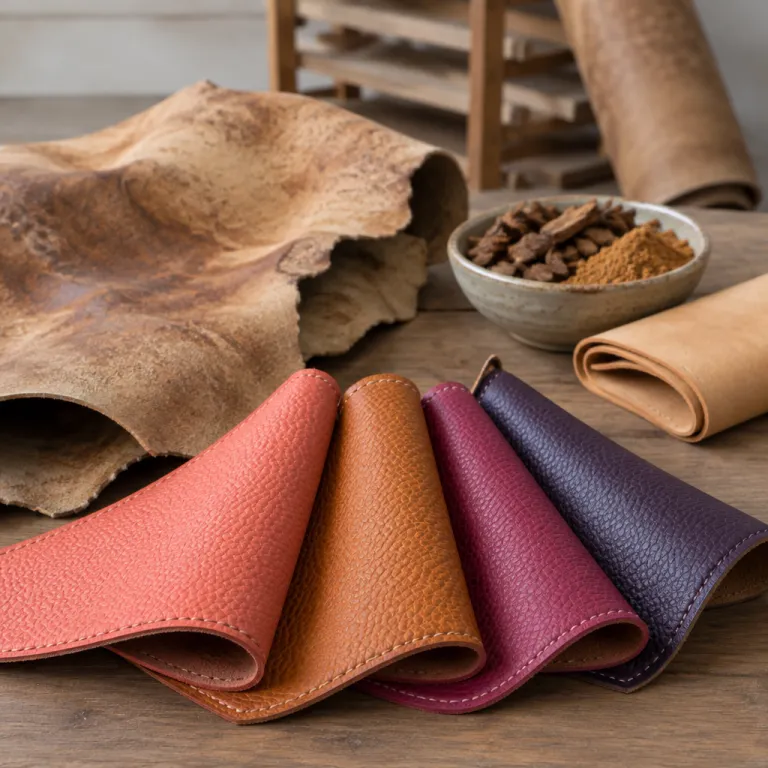
Understanding what pebble leather really is in luxury goods
Pebble leather is a natural leather whose surface is pressed to form a rounded pebble grain that feels both structured and supple. This engineered grain leather keeps the organic character of the hide while adding a more regular textured surface that resists scuffs on daily carried leather bags and leather handbag styles. When you ask what is a pebble leather in the context of high end leather goods, you are really asking how this specific type leather balances beauty, durability, and long term value.
On a technical level, pebbled leather starts as cowhide leather or calfskin that is tanned, then embossed with metal plates or rollers that imprint the pebble grain pattern. The process can be applied to full grain leather, to corrected grain leather, or to other tanned leather categories, and the choice of hide quality will strongly influence the final price and performance. A refined pebble leather finish will highlight natural details along the leather sides and edges, while a cheaper chrome tanned split with heavy coating will hide most irregularities but also much of the soul of the material.
For owners of luxury bags and shoes, the question what pebbled leather means in practice is about how the grain will age, how the finish will react to wear, and how the leather will hold its shape. A well executed leather pebble structure can make small leather accessories feel more robust, while a poorly executed leather pebbled surface can crack or flatten quickly. Understanding the relationship between the original hide, the tanning method, and the embossed pebble grain helps you judge whether a leather perfect for your lifestyle is worth its premium price.
From hide to pebble grain surface: tanning, embossing, and finish
The journey from raw hide to refined pebble leather begins with the choice of animal, usually cowhide leather for structure or calf for a finer grain leather base. Many luxury maisons prefer italian tanned leather because Italian tanneries combine traditional drum tanning with precise control of moisture and heat, which stabilises the leather sides before embossing. Whether the material is vegetable tanned or chrome tanned, the stability of the fibres will determine how crisply the pebble grain pattern holds over time.
In most modern production, pebbled leather for leather bags and shoes is chrome tanned, as chrome salts penetrate quickly and give a soft yet resilient hand. High quality chrome tanned hides can still be full grain, meaning the natural grain leather is preserved under the embossed pattern rather than sanded away, which keeps strength and breathability. When you evaluate what is a pebble leather on a specific product, ask whether the brand states full grain or corrected grain, because this single detail often explains both the tactile feel and the long term price positioning.
Once tanned, the hides are stretched and passed under heavy embossing plates that press the leather pebble design into the textured surface with calibrated pressure. The craftsman adjusts temperature, dwell time, and even the orientation of the pebble grain to suit different leather goods, from structured leather handbag silhouettes to softer weekend bags. A subtle finish coat is then applied to protect the pebbled leather while allowing the natural colour variations and details of the hide to remain visible, which is essential if you want leather ideal for patina rather than a plastic like shell.
Pebble leather versus full grain and other type leather choices
Owners often compare pebble leather with smooth full grain leather when choosing between two leather bags at a similar price level. Full grain without embossing showcases every natural mark of the hide, while a pebble grain surface visually evens out those details and makes scratches less obvious on daily used leather goods. When you analyse what is a pebble leather in a boutique, you are really weighing visual uniformity and practicality against the raw authenticity of unembossed full grain.
From a structural perspective, a high calibre full grain base that is then lightly embossed into pebbled leather will usually outperform heavily corrected grain leather that has been sanded and coated before embossing. The former keeps the dense fibre structure of the original cowhide leather, so the leather sides resist stretching and the pebble leather pattern stays crisp even on stress points like bag handles and shoes vamps. The latter may look flawless at the moment of sale, but the thick finish can crack, and the leather pebble pattern can flatten, especially on large bags where the quantity of leather is significant and constantly flexed.
Different type leather constructions also influence how the textured surface behaves on small leather accessories such as wallets and key holders. A lined and lightly padded leather handbag in pebbled leather will keep a rounded silhouette, while an unlined tote in softer tanned leather may slump more, even with the same pebble grain embossing. For readers interested in how embossing interacts with carving and tooling, the article on the art of a tooled leather wallet offers a useful contrast with the more industrial precision of pebble leather textures.
How pebble leather performs in daily use: bags, shoes, and small leather goods
In real life, the main advantage of pebbled leather on leather bags is its ability to disguise micro scratches and compression marks that would be obvious on smooth skins. The raised pebble grain breaks up reflections, so even when the finish acquires light scuffs, the overall textured surface still reads as even and luxurious. For owners who rotate several bags and shoes, this makes pebble leather ideal for travel pieces, work totes, and other leather goods that see heavy circulation.
On shoes, a well balanced pebble leather upper offers both structure and flexibility, especially on derby and loafer styles where the vamp creases repeatedly. When the underlying hide is full grain and properly tanned, the pebbled leather will form soft rolling creases rather than sharp cracks, and the grain leather pattern will remain visible even on flex points. By contrast, when brands use lower grade chrome tanned splits with a heavy coating to imitate leather pebbled textures, the finish can fracture, and the pebble leather effect can peel away from the hide underneath.
Small leather accessories such as card holders, coin purses, and key fobs benefit greatly from a resilient leather pebble structure. These small leather pieces are often thrown into bags, placed on restaurant tables, or slid across counters, so the combination of a robust tanned leather base and a protective pebble grain pattern helps them maintain a leather perfect appearance longer. If you are interested in how refined details elevate even the tiniest objects, the guide on refined keychain leather as true luxury hardware shows how thoughtful material choices echo the same principles that make pebble leather so effective.
Price, quantity, and value: reading labels, sales, and closeouts
Understanding what is a pebble leather also means understanding why two visually similar pebbled leather bags can have very different price points. A house that uses italian full grain cowhide leather, tanned in smaller batches with tight quality control, will naturally charge more than a brand sourcing mass produced chrome tanned splits. The quantity of leather used, the thickness of the hide, and the precision of the finish all contribute to the final price, even before you consider branding and distribution.
When you encounter a pebble leather sale or a closeout event, it is worth reading the technical details on the label rather than focusing only on the discount. Look for mentions of full grain, tanned leather origin, and whether the product uses single piece leather sides or multiple stitched panels, because each of these details affects both durability and long term value. A closeout on high quality grain leather bags from a previous colour season can be a genuine opportunity, while a very low price on anonymous chrome tanned pebbled leather hides may signal overstock of lower grade type leather.
Owners who manage a curated wardrobe of leather goods often think in terms of cost per wear rather than initial price alone. A leather handbag in robust pebble leather that you carry three times a week for several years will usually offer better value than a delicate smooth hide reserved for rare occasions, even if the ticket was higher. When you evaluate what pebbled leather offers in terms of longevity, consider not only the hide and finish but also how the quantity of seams, edges, and stress points has been engineered to work with, rather than against, the embossed textured surface.
Embossing artistry on pebble leather: from industrial plates to luxury expression
While pebble leather is often associated with industrial embossing, the best luxury workshops treat the process as a form of controlled artistry. Craftsmen select embossing plates with specific pebble grain sizes and irregularities, so that the final pebbled leather does not look mechanically repetitive but instead echoes the randomness of natural grain leather. Subtle variations in pressure across the hide allow certain details to remain slightly softer, which gives depth to the textured surface when light moves across a leather handbag or pair of shoes.
Some italian tanneries now offer bespoke pebble leather programs where maisons can define the exact radius, depth, and spacing of each leather pebble in the pattern. This level of control lets a brand create a signature leather pebbled identity that clients can recognise instantly, much like a monogram canvas but expressed purely through grain. For collectors of leather goods, understanding what is a pebble leather at this level means appreciating how the hide, the chrome or vegetable tanning, and the embossing plates work together as a coherent design language.
Artisans also play with finish to highlight the relief of the pebble grain, using semi aniline dyes that pool slightly in the valleys while leaving the tops of the grain lighter. On small leather accessories, this can create a subtle two tone effect that emphasises the three dimensionality of the pebbled leather without resorting to overt logos. The same principles that make hand tooled Mexican bags so compelling, as explored in the article on the artistry of Mexican hand tooled leather handbags, apply here ; the surface of the hide becomes a canvas where technique and aesthetics meet.
Care, aging, and how to choose the right pebble leather for you
Caring for pebble leather is relatively straightforward, which is one reason many owners choose it as their leather ideal for everyday use. The raised pebble grain protects the finish from direct abrasion, so gentle wiping with a soft cloth and occasional conditioning with a neutral cream are usually sufficient for most leather bags and shoes. Because the textured surface hides minor marks, you can often extend the interval between professional spa treatments compared with very smooth full grain pieces.
When selecting a new leather handbag or pair of shoes in pebble leather, pay attention to how the grain aligns across seams and leather sides. On high end leather goods, the quantity of visible mismatched pebbled leather panels is kept low, and the hide is cut so that the pebble grain flows harmoniously around corners and handles. This level of detail signals that the brand respects both the material and the client, and it often correlates with better tanned leather quality and more stable chrome tanned or vegetable tanned structures.
Finally, consider your wardrobe and climate when deciding what is a pebble leather best suited to your needs. In humid environments, a slightly firmer chrome tanned cowhide leather with a sealed finish may be leather perfect for resisting moisture, while in drier climates, a softer semi aniline full grain pebble leather can develop a beautiful patina. By matching the type leather, the quantity of use, and the specific textured surface to your lifestyle, you ensure that each leather pebble under your fingertips continues to signal quiet luxury for many seasons.
Key figures on pebble leather and luxury leather goods
- Industry estimates suggest that a majority of leather used in European handbags is chrome tanned cowhide leather, reflecting the dominance of soft yet durable bases for pebbled leather and other embossed finishes.
- Market research on luxury consumers indicates that pebbled leather and other textured surface finishes represent a substantial share of leather bags sales, as owners prioritise scratch resistance and discreet aging over ultra smooth skins.
- Resale platforms and auction houses consistently show that full grain leather handbags in well maintained pebble leather tend to retain more of their original price on the secondary market than comparable corrected grain leather goods.
- Independent laboratory testing on abrasion and flex performance has found that high quality pebble grain embossing on full grain hides can increase apparent surface resistance compared with the same tanned leather left smooth, although exact percentages vary by test method.
FAQ about pebble leather in luxury goods
Is pebble leather real leather or a synthetic material ?
Pebble leather is real leather whose surface has been embossed to create a pebble grain pattern, usually on cowhide leather or calfskin. The term describes the textured surface, not a synthetic substitute, although some coated synthetics imitate the look of pebbled leather. To confirm authenticity, check for references to full grain, tanned leather origin, and natural hides on the product description.
Does pebble leather age better than smooth leather ?
High quality pebble leather often appears to age better in daily use because the raised grain hides small scratches and compression marks. Smooth full grain leather can develop a more dramatic patina, but it also shows every scuff, especially on corners of leather bags and shoes. For owners who want a discreet, low maintenance appearance, pebbled leather usually offers a more forgiving balance.
How can I judge the quality of a pebble leather bag ?
Start by feeling the leather ; a good pebble leather should be supple yet resilient, without a plastic like shell over the grain. Look for information about full grain or top grain hides, italian or other reputable tanned leather origins, and examine how the pebble grain aligns across seams and leather sides. Consistent embossing, clean edges, and a refined finish are strong indicators of higher quality leather goods.
Is chrome tanned pebble leather inferior to vegetable tanned options ?
Chrome tanned pebble leather is not inherently inferior ; it is simply optimised for softness, colour range, and production efficiency. Many top luxury houses use chrome tanned full grain hides for their pebbled leather handbags and shoes because the material balances comfort and durability. Vegetable tanned pebble leather can offer a firmer hand and richer patina, but it may be less forgiving in very humid or wet conditions.
When is pebble leather the best choice for my collection ?
Pebble leather is the best choice when you need leather goods that will face frequent handling, travel, or variable weather without constant maintenance. Work totes, weekend bags, and everyday shoes benefit from the resilience of a textured surface and the way pebble grain disguises wear. For special occasion pieces where you prioritise visual drama over practicality, a smooth full grain or exotic hide may be more appropriate.