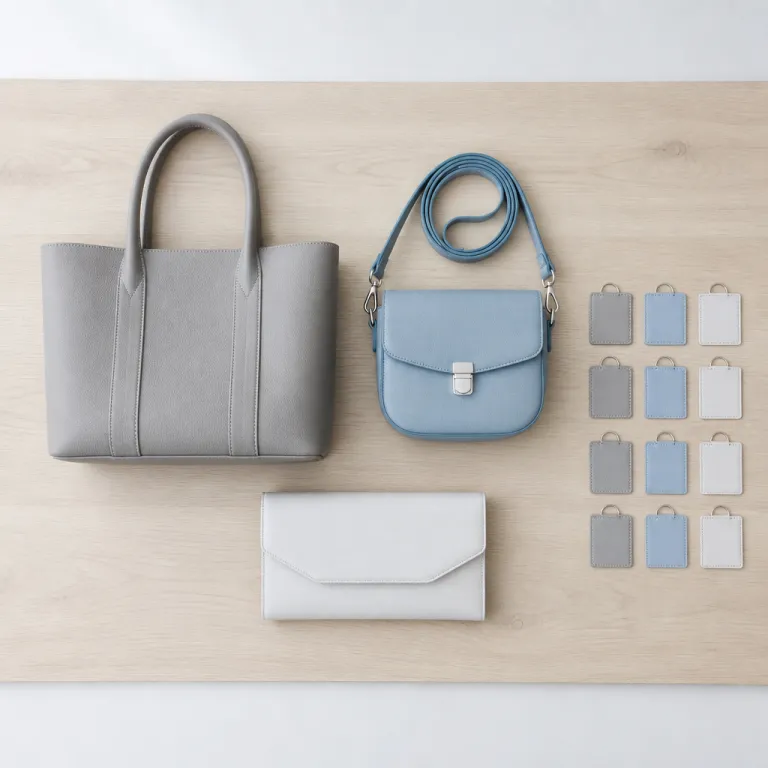
Why a minimalist leather collection serves you better than a crowded closet
A deliberately small minimalist leather collection is not an act of restraint, it is an act of focus. When you curate just three leather bags instead of twelve, every bag and every item must earn its place through function, minimalist design, and understated elegance rather than impulse or logo. The result is a wardrobe of leather goods that feels coherent, where each product works hard in rotation and the content of your shelves finally reflects how you actually live.
The market for leather goods in the United States and beyond keeps expanding, yet the most discerning customer is quietly moving in the opposite direction. Rather than chasing every sale or every new black leather satchel, they are asking sharper questions about grain leather quality, long term price, and whether a bag will still feel right after hundreds of commutes and flights. This shift toward fewer but better pieces is why full grain and even rugged crazy horse finishes are resurging while coated synthetics and fragile color leather imitations slowly lose credibility.
Minimalist thinking does not mean sterile or boring, especially when applied to leather bags that will age with you. A tight minimalist leather rotation of three pieces allows you to explore black, tan, or even vintage leather tones while keeping the overall silhouette language consistent and calm. You end up with a full wardrobe of options from work to weekend to evening, yet your shelf space, shipping orders footprint, and mental load all shrink dramatically.
The financial logic is equally compelling once you run the cost per wear numbers honestly. A structured full grain leather satchel at a higher initial price, used 300 times over several years, often works out cheaper per day than a synthetic bag bought on sale and abandoned after 30 uses. When you multiply that pattern across twelve impulse purchases, the hidden cost of not committing to a minimalist leather collection becomes painfully clear.
There is also the matter of trust, both in the product and in yourself as a buyer. Owning only three leather bags forces you to interrogate every potential purchase, from the feel of the grain leather to the transparency of the return policy and return exchange terms. You start reading customer reviews not as entertainment but as data, looking for comments on stitching, size accuracy, and how the black leather or color leather patinas after a year of real use.
From an environmental perspective, one well made full grain leather bag that lasts fifteen years almost always beats five disposable alternatives that crack, peel, and head to landfill within three. Each extra bag carries its own shipping, packaging, and eventual disposal footprint, even when free shipping tempts you into thinking the journey is somehow impact free. A minimalist leather approach that limits you to three carefully chosen bags is not just elegant, it is a quiet sustainability strategy that aligns with how serious collectors already treat watches and tailored clothing.
For men and women who already own multiple leather goods, the idea of paring back to three pieces can feel radical. Yet once you define clear roles for a daily bag, a weekend bag, and an evening bag, the rest of the collection starts to look like visual noise rather than meaningful choice. The minimalist mindset reframes every future purchase decision from “Is this a nice item ?” to “Will this leather bag genuinely outperform one of my existing three in function, comfort, and long term pleasure ?”.
Even the way you interact with brands changes when you commit to a minimalist leather collection. You become less interested in aggressive sale banners and more focused on whether the brand offers honest customer service, fair return exchange conditions, and reliable shipping orders tracking. Over time, that discipline builds a small circle of makers you trust, where every leather satchel or bag feels like a considered addition rather than another experiment destined for the back of the wardrobe.
The three bag framework: structure, softness, and evening clarity
Owning three leather bags instead of twelve only works if each bag has a clearly defined role. The first pillar of a minimalist leather collection is the structured daily carry, usually a leather satchel or slim brief that can move from boardroom to airport lounge without drama. This is where understated elegance matters most, because the bag will sit beside you in meetings, under restaurant tables, and on countless desks.
For this daily bag, full grain or high quality grain leather is non negotiable if you expect it to age with dignity. A black leather option in a medium size around 38 to 42 cm wide suits most men and women, though some customers prefer a slightly smaller bag when they travel light. The key is a minimalist design with clean panels, discreet hardware, and a handle drop that feels natural in the hand, not a product overloaded with zips and decorative straps that will date quickly.
The second pillar is the soft weekend bag, often a holdall or compact duffel that can compress into overhead lockers yet still feel luxurious. Here, vintage leather or crazy horse finishes come into their own, because the scuffs and marks of travel become part of the story rather than damage to hide. A rich color leather such as deep tobacco, navy, or even a muted green can complement your black weekday satchel while keeping the overall minimalist leather palette controlled.
Many readers will already own some form of weekend bag, but the question is whether it truly earns its place in a three bag framework. Look at the item with a critical eye and ask if the size, weight, and strap comfort make you reach for it first every Friday, or if you secretly default to a less beautiful but more practical alternative. If the current bag fails that test, it may be time to resell it and invest in a full grain upgrade that will handle years of shipping, hotel floors, and car boots.
The third pillar is the evening or event piece, which is where personality can quietly surface without breaking minimalist rules. For women, this might be a compact crossbody or an elegant tote in a refined color, as explored in depth in this analysis of the refined allure of an orange tote for modern women. For men, a slim black leather folio or small satchel can carry essentials to dinners and gallery openings without shouting for attention.
What unites these three bags is not matching branding but a shared design language. Each product should feel like part of the same minimalist leather family, even if the colors differ and the textures range from smooth grain leather to more rugged crazy horse finishes. When you line them up, the content of the design should read as one coherent sentence rather than three unrelated exclamation marks.
Price inevitably enters the conversation, especially when you are considering full grain leather or genuine leather from reputable tanneries. The trick is to think in terms of cost per wear across the entire minimalist leather collection, not the sticker price of a single bag on the day of purchase. A higher initial price for a bag that will serve you for a decade, supported by a clear return policy and responsive customer service, often beats three cheaper experiments that never quite feel right.
For those who enjoy gifting, this three bag framework also clarifies what makes a meaningful leather gift. Instead of buying yet another random bag on sale with free shipping, you can contribute to someone’s minimalist leather journey with a carefully chosen evening piece or a travel bag that fills a genuine gap. The recipient gains an item that integrates into a thoughtful system, and you avoid adding clutter to their wardrobe under the guise of generosity.
Cost per wear, patina, and the quiet power of restraint
The most persuasive argument for a minimalist leather collection is not aesthetic, it is mathematical. When you compare a single full grain leather satchel at a premium price with a stack of cheaper bags, cost per wear exposes the illusion of saving money. A bag used 300 times over several years often ends up costing less per day than a budget item that fails structurally or stylistically after 30 outings.
Consider a structured black leather bag priced at the equivalent of 800 dollars, carried to the office four days a week for three years. That works out to well under the cost of a coffee per use, while a 150 dollar synthetic bag that cracks after one season quietly becomes the more expensive choice. The same logic applies to weekend bags and evening pieces, where a single versatile design can replace three or four niche items that rarely leave the shelf.
Patina is where the numbers meet emotion, and where leather goods outclass almost every other material in your wardrobe. Full grain and high quality grain leather develop depth, character, and subtle shifts in color leather that no factory distressing can replicate. Vintage leather and crazy horse finishes lean into this process even more, rewarding regular use with a surface that tells your story rather than the brand’s marketing narrative.
When you limit yourself to three leather bags, each scratch and crease becomes part of an ongoing relationship rather than a reason to rotate in yet another bag from a crowded closet. The minimalist design of these pieces means there is less visual noise competing with the evolving surface, so the patina reads clearly and elegantly. Over time, you stop seeing your bags as fragile products and start treating them as companions that will travel with you through promotions, relocations, and changing personal style.
This is also where repair culture intersects beautifully with a minimalist leather philosophy. A cobbler can restitch handles, replace zips, and even reline a leather satchel or weekend bag, extending its life by years at a fraction of the original price. When you own only three bags, investing in such repairs feels natural, because each item carries a significant share of your daily life and emotional history.
For small leather goods, the same thinking applies, just on a different scale. A refined coin purse or compact wallet, like those explored in this piece on the refined coin purse as a quiet luxury essential, can serve as the fourth supporting actor in your minimalist leather collection. These accessories echo the materials and colors of your main bags, reinforcing a sense of cohesion every time you reach for cash, cards, or keys.
Customer reviews can be surprisingly helpful when assessing how a bag will age, provided you read them with a critical eye. Look for comments that mention how the black leather or lighter color leather responds to rain, sunlight, and daily friction, rather than just remarks about fast shipping or attractive packaging. A pattern of positive feedback about patina, comfort, and durability is worth far more than a handful of excited notes about a flash sale or free shipping offers.
Finally, restraint has a psychological benefit that is hard to quantify but easy to feel. When you open your wardrobe and see three leather bags that you genuinely love, the decision of which bag to carry becomes a pleasure rather than a chore. That clarity frees mental space for more important choices, while your minimalist leather collection quietly does its job in the background, day after day.
How to edit down, choose well, and live with three leather bags
Moving from twelve leather bags to three requires a deliberate editing process, not a weekend purge driven by guilt. Start by grouping your existing bags into categories by function, such as work, travel, and evening, then evaluate each item against how often you actually use it. Any bag that has not left the house in six months without a compelling reason is a candidate for repair, resale, or donation.
When deciding what to keep, prioritize full grain or high quality genuine leather pieces with solid construction over trend driven designs. Check the stitching, handle attachment points, and interior lining for signs of fatigue, because these are the areas that will determine whether a bag can handle another decade of service. If a bag feels structurally sound but the style no longer fits your life, consider selling it to fund a more versatile minimalist design that aligns with your current wardrobe.
As you refine your minimalist leather collection, think in terms of silhouettes and color harmony rather than brand names. A black leather satchel, a tobacco weekend bag, and a compact evening piece in a complementary color leather can cover almost every scenario for most men and women. The goal is not to eliminate personality but to channel it through a small number of bags that work across multiple dress codes and climates.
Online, pay close attention to how brands describe their materials, especially when they use terms like full grain, top grain leather, or genuine leather. Some labels use “genuine leather” as a catch all for lower quality splits, while others are transparent about sourcing and finishing, which is why reading the full product content matters. A brand that explains its tanning process, offers clear shipping orders information, and publishes a straightforward return policy usually treats its customers and its leather with more respect.
For those based in the United States, free shipping can be a useful perk, but it should never be the deciding factor. A slightly higher price from a maker who uses better grain leather and offers a humane return exchange process is often the smarter long term choice. Remember that every free shipping label still represents real transport, packaging, and emissions, so a minimalist leather mindset encourages fewer, better deliveries rather than constant small parcels.
Once your three bag system is in place, live with it for several months before making any further changes. Notice which bag you reach for instinctively on busy mornings, which one feels like a natural extension of your hand, and which one you would immediately replace if lost. Those reactions will tell you more about the success of your minimalist leather collection than any marketing campaign or influencer post.
As your style evolves, you can fine tune the collection without expanding beyond three core bags. Perhaps the structured black satchel eventually gives way to a softer, unlined tote in pebble grain, a texture explored in depth in this piece on why pebble grain leather seduces discerning bag owners. Or maybe your weekend travel shifts from planes to road trips, prompting a change in size and strap configuration while keeping the same understated elegance and minimalist design language.
In every case, the discipline of owning three leather bags instead of twelve keeps you honest. You cannot add a new bag without asking which existing item it will replace, which forces you to confront whether the new product truly offers better function, comfort, or joy. That simple rule, applied consistently, is how a minimalist leather collection becomes not just a style choice but a long term strategy for buying, using, and appreciating leather goods with real intention.
Key figures behind the shift to minimalist leather collections
- The global leather goods market is projected to reach roughly 476 billion US dollars within a few years, with analysts at Mordor Intelligence linking part of this growth to consumers buying fewer but higher quality bags rather than constant low cost replacements.
- Studies of resale platforms show that iconic full grain handbags, such as the Hermès Birkin, have historically appreciated in value over long periods, illustrating how scarcity, craftsmanship, and minimalist design can turn a single bag into a financial asset rather than a depreciating item.
- Lifecycle assessments indicate that a durable leather bag used for 10 to 15 years typically has a lower annual environmental impact than several synthetic alternatives replaced every 18 to 24 months, once manufacturing, shipping, and disposal are all included.
- Cost per wear calculations demonstrate that a bag priced around 800 dollars and used 300 times effectively costs less per outing than a 150 dollar bag used only 30 times, which supports the economic logic of investing in a minimalist leather collection of three versatile pieces.
- Industry commentary from publications such as Fashion Globe notes a clear movement away from overt logos toward softer silhouettes, versatile color leather palettes, and visible grain leather textures, aligning with the understated elegance sought by minimalist leather enthusiasts.