The old rule of matching belt, bag and shoes
The traditional advice that a belt must match shoes exactly still reassures many executives in formal settings. In a dark boardroom with a navy suit, a black belt in smooth full grain leather, black leather oxford shoes and a discreet black leather bag form a classic color trio that signals discipline and control. The eye reads this strict alignment of leather accessories as one continuous line of authority, especially when the grain and tone are consistent across all pieces.
What matters most in this old rule is not a perfect color code but the harmony of leather type, grain and finish across your accessories. A polished full grain leather belt will always sit more comfortably beside polished brown shoes and a structured leather bag in the same color family than beside matte suede bags or heavily textured grain leather briefcases. When you want the safest possible outcome, especially for conservative industries like finance or law, choose a matching belt and shoe combination in either black or dark brown and keep patterns, contrast stitching and unusual colors away from the main outfit.
There is still nuance even inside this conservative framework, and owners of serious leather collections should use it. A dark brown leather belt can match shoes that are a half tone lighter, while a brown leather bag in a slightly warmer tone adds depth without breaking the sense of coordination. A simple visual rule of thumb: lay belt, shoes and bag side by side in daylight; if none of the three jumps out as dramatically lighter or cooler, the set will read as coherent when worn. Think of the full look as one composed object; the belts, bags and shoes should feel like they came from the same collection, even if they were not bought together or marketed as a best seller set.
Color families, leather tones and the art of near matching
Once you understand why the strict belt match rule works, you can start playing with color families rather than single shades. Coordinating leather pieces becomes more interesting when you think in terms of warm browns, cool blacks and subtle in between tones like cognac leather that bridge brown and amber. A cognac leather belt, for instance, can match shoes in mid brown while a leather bag in a slightly darker cognac tone anchors the outfit with quiet richness.
Color family thinking is especially powerful with brown leather, because brown shoes, brown belts and brown bags rarely age at the same speed or in the same way. Vegetable tanned full grain leather, often used by traditional European makers such as Horween or Ilcea, will shift from light cognac to dark brown as the patina builds, while chrome tanned genuine leather tends to hold its original color longer but develops less dramatic depth. When you buy into a collection, focus less on a perfect initial belt–shoe match and more on whether the tones sit in the same warm or cool spectrum so that future patina keeps them visually related.
This is where craftsmanship in dyeing and coloring really shows, and why bespoke work on full grain leather is prized by connoisseurs. Subtle variations in grain, hand applied dyes and layered color patterns mean that no two accessories will ever be identical, yet they can still match in spirit and tone. A practical way to assess this: place a simple white card between two items; if, when you remove the card, the transition feels gradual rather than abrupt, the near match will look intentional. For a deeper dive into how artisans control these nuances, the piece on bespoke leather dyeing as a mark of luxury explains why the best makers embrace controlled variation rather than flat uniformity.
Texture, grain and the quiet power of contrast
Color is only half the story; grain and texture decide whether a near match feels intentional or careless. A smooth leather belt in full grain calf can sit beautifully beside grain leather shoes with a light pebble, provided the colors share a similar tone and the overall outfit remains restrained. The reverse also works: a softly grained leather bag in dark brown can balance polished brown shoes and a matte black belt, as long as the black–brown contrast feels deliberate and not accidental.
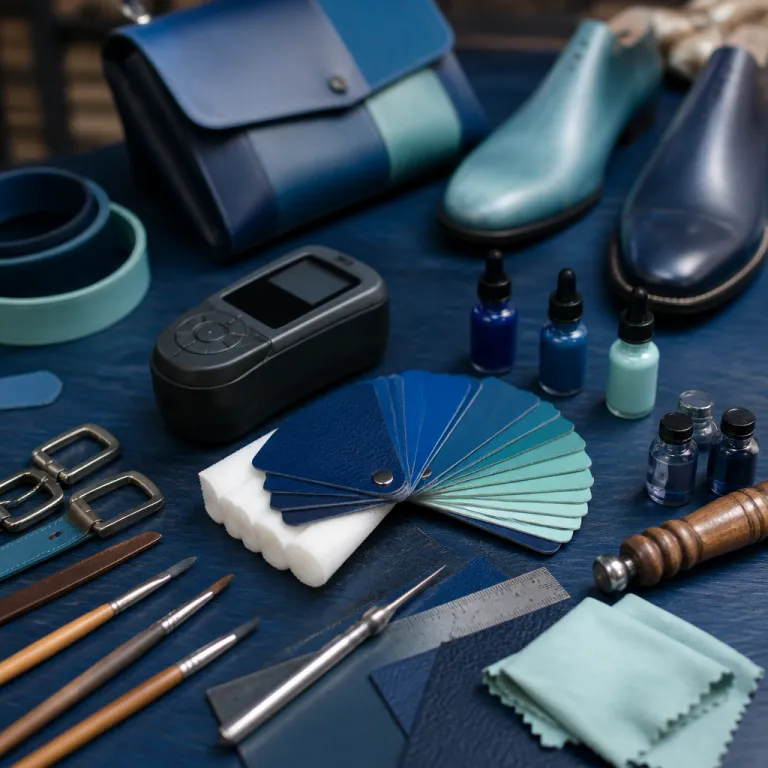
Texture mixing becomes especially interesting when you step away from pure black leather and explore navy, charcoal and deep green as part of your accessories rotation. A navy leather bag in full grain can act as a neutral anchor, allowing you to wear a black belt with dark brown shoes without breaking the visual logic of a coordinated set. To test this visually, imagine your accessories converted to black and white; if the relative lightness of belt, shoes and bag still feels balanced, the color contrast is probably refined enough to work. For a thoughtful exploration of this idea, the article on the quiet power of a leather bag in navy blue shows how one classic color can harmonize with multiple leather tones.
Patterns and surface details also influence how strictly you need to match shoes and belts. Strong patterns such as crocodile embossing, heavy grain leather or contrast stitching demand calmer companions, so pair them with simple belts and bags in solid classic color families like black or cognac. When the texture is understated, you can afford more freedom in color, letting a cognac leather belt, a dark brown leather bag and black shoes coexist in one outfit without visual noise. As a simple guideline, let only one accessory carry the boldest texture; the others should support it rather than compete.
Patina, aging and why perfect matches rarely stay perfect
Every owner of serious leather accessories eventually learns that perfect matches are temporary. Full grain leather, especially when vegetable tanned, darkens, softens and shifts tone as it absorbs light, oils and daily wear, so a matching belt and leather bag bought together will diverge within a few seasons. Brown shoes in the same original color as a belt will pick up polish and scuffs differently, creating new colors and patterns that no longer mirror the belt exactly.
This patina problem is not a flaw; it is the point of investing in high quality leather belts, bags and shoes. Genuine leather that has been corrected heavily may keep its initial color longer, but it will never develop the layered depth that makes a well used brown leather briefcase or cognac leather belt a personal signature. When you plan a collection, assume that your best seller pieces in classic color families like black and dark brown will each age on their own timeline, and choose tones that still match gracefully when they drift a shade apart.
Hardware and finishing details also age, and they influence how strictly you need to match colors. A black belt with brushed brass buckle can sit beside black leather shoes with darker gunmetal eyelets if the rest of the outfit is quiet and the leather tones are close. To visualize long term harmony, compare new items with a well worn piece you already own; if the fresh leather looks like a lighter or cleaner version of the older one, the aging paths will likely complement each other. Think of the full ensemble as a living system; coordinating belts, bags and shoes means accepting that day one perfection will evolve into a more interesting, slightly asymmetric harmony over the years.
Context matters: boardroom, weekend and travel scenarios
How tightly you need to match belt, bag and shoes depends heavily on context. In the boardroom, a conservative outfit still benefits from a clear belt match, so pair black leather oxfords with a black belt in full grain calf and a structured black leather bag with minimal patterns. The same logic applies to dark brown shoes and a dark brown leather belt, where a brown leather briefcase in a slightly lighter tone keeps the look serious but not rigid.
Weekend dressing allows more freedom in coordinating leather pieces, especially when denim or chinos soften the formality. A cognac leather belt can match shoes in mid brown suede, while a relaxed leather bag in grain leather adds texture and a casual note to the outfit. Here, the color family is more important than exact shade, so a black–brown combination of boots and belt can work if the rest of the colors stay muted and the accessories share a similar grain and finish.
Travel sits somewhere between these two worlds and rewards a tightly edited collection of accessories. Owning three versatile bags instead of a dozen niche pieces makes coordination easier, and the argument for this approach is laid out in the guide on owning three leather bags instead of twelve. For frequent flyers, the best strategy is to choose one classic color family for your main travel set, then build around it with leather belts and shoes that either match closely or offer a controlled, intentional contrast. A compact visual checklist before packing—one black or dark brown belt, one pair of shoes in the same family, one bag that relates to both—prevents last minute mismatches.
FAQ
Should my belt always match my shoes exactly in color?
Your belt does not need to match shoes in an identical color, but it should sit in the same color family and level of formality. For very formal outfits, aim for a close match between black belt and black leather shoes or between dark brown belt and dark brown shoes. In more relaxed settings, a difference of one tone between belt and shoes is acceptable if the grain, finish and overall outfit remain harmonious.
Can I wear a black belt with brown shoes?
Wearing a black belt with brown shoes is risky in formal contexts but can work in casual outfits when handled carefully. The combination looks most intentional when the brown shoes are very dark, almost black brown, and the rest of the outfit uses neutral colors like grey, navy and white. To keep the look coherent, avoid strong patterns on the belt and choose a bag that relates either to the black belt or to the brown shoes in tone.
How do I coordinate a cognac leather belt with my other accessories?
A cognac leather belt pairs well with mid brown shoes, tan loafers and bags in warm brown or cognac tones. Because cognac sits between light brown and amber, it can bridge small differences in color across your accessories without looking forced. For the most refined effect, keep metal hardware consistent and avoid mixing very cool blacks or charcoals into the same outfit.
What is the best way to build a versatile leather accessories collection?
The best approach is to choose one primary color family, usually black or dark brown, then add a secondary warm tone such as cognac for more relaxed outfits. Start with a full grain leather belt, a pair of shoes and a leather bag in your main color, then expand with complementary pieces rather than chasing every new best seller. This strategy ensures that most combinations of belts, bags and shoes will match or coordinate gracefully across work, weekend and travel.
Do grain and texture matter as much as color when matching accessories?
Grain and texture matter as much as color because they influence how the eye reads contrast and formality. A smooth full grain leather belt looks more formal than a heavily grained or suede belt, even in the same color, and should be paired with similarly refined shoes and bags. When you mix textures, keep the colors closer and let only one accessory carry strong patterns or pronounced grain to maintain balance.