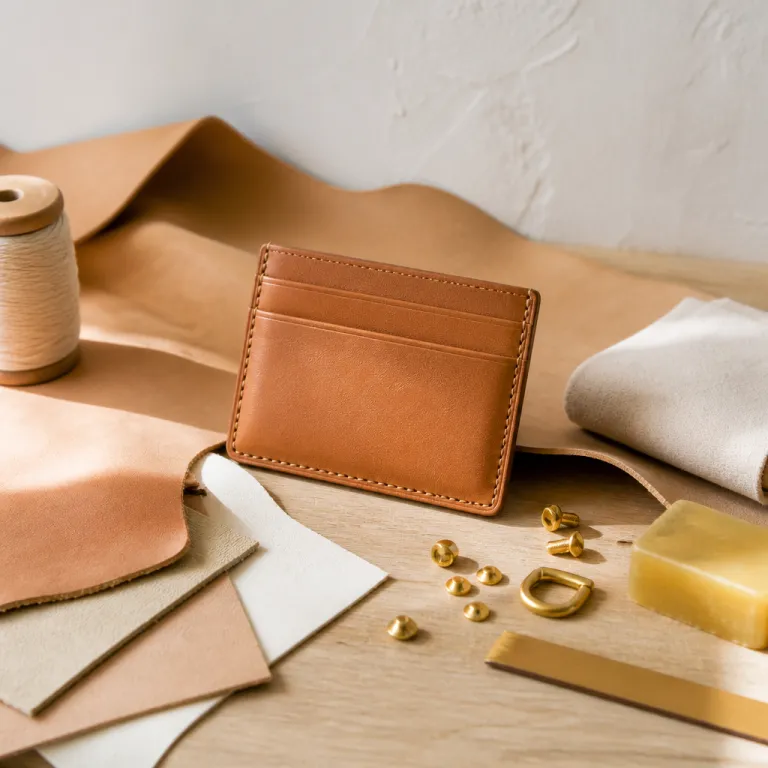
The leather card holder wallet as a modern luxury essential
A well made leather card holder wallet has become the discreet signature of the serious collector. In a world where the traditional billfold often feels bulky, the slim card format respects the tailored line of a jacket while still protecting every credit card you actually use. For many owners of high end leather goods, the shift from a regular bifold to a refined card case marks a deliberate move toward quieter, more functional elegance.
Luxury maisons now treat the compact card holder as a primary product, not a secondary accessory. You see this in the way they specify full grain leather, hand burnished edges, and precise card slots that hold between four and eight cards without stretching, which keeps the holder looking sharp even after years of daily use. The best examples balance a slim profile with enough structure so the card wallet slides into an inside pocket like a precision engineered unit rather than a soft pouch.
Owners who once relied on a large leather wallet for everything now curate what they carry. A dedicated leather card holder in black or tan often takes care of payment cards, while a separate coin piece or travel case handles cash and receipts, which reduces wear on the main holder. This separation of functions also protects the rfid blocking lining that many contemporary designs integrate, because the rfid layers are less stressed when the cards are not competing with coins and keys.
Pricing has followed this shift in perception. Where a card holder was once a modest add on at an entry level price, top tier houses now position the leather card holder wallet at a price point that reflects the same level of craftsmanship as their larger wallets. You will often see a clear distinction between the standard retail price and any temporary discount during a seasonal promotion. For serious collectors, the question is less about the absolute amount paid and more about whether the value per use justifies the investment over a decade of wear.
Craftsmanship, shell cordovan and the pursuit of lasting structure
When you handle a truly exceptional leather card holder wallet, the first impression is structure rather than softness. Full grain calf or goat offers a beautiful balance between suppleness and resilience, but shell cordovan card holders sit in a category of their own for connoisseurs. This dense, oval shaped membrane from horsehide creates a card case that resists creasing, keeps a slim silhouette, and develops a mirror like sheen that many collectors consider unmatched.
Shell cordovan is notoriously difficult to work, which is why a shell cordovan leather wallet often commands a higher price than a comparable calf piece. The tanning process can take several months, and the cordovan hide thickness must be skived with extreme precision so the finished card holder remains thin enough for a breast pocket while still protecting the cards. In one Florentine workshop we visited, a four slot shell cordovan card wallet measured just under 5 mm at its thickest point when loaded with six standard credit cards, a specification that reflects hours of bench work and justifies a higher ticket price on the tag.
For owners comparing options, it helps to think in terms of cost per wear rather than headline price. A well made shell cordovan card case can easily outlast several regular calf leather card holders, which means the effective outlay per year of use may be lower even if the initial purchase is significantly higher. This is the same logic that separates a ten year piece from a one season folly in any full grain leather wallet, as explored in depth in this analysis of what defines the best full grain leather wallet for true longevity.
Craftsmanship also shows in the invisible details. A basic wallet model might use machine stitched seams and synthetic lining, while a higher tier leather card holder wallet will feature saddle stitching, natural fiber thread, and carefully thinned folds around each card holder panel to avoid bulk. These refinements keep the slim card profile intact, prevent premature stretching of the card slots, and ensure that even after thousands of insertions the cards glide in and out without snagging or loosening the structure of the holder.
Innovative formats, rfid blocking and the architecture of daily carry
Design innovation in the leather card holder wallet category now focuses on how the piece structures your daily carry rather than on decorative excess. Minimalist architects of leather goods treat each card slot as a functional module, calculating how many cards you truly need and how quickly you must access each one. The result is a new generation of slim card holders and compact card wallets that feel almost architectural in the way they organize space inside a jacket or trouser pocket.
Rfid blocking technology has become a near standard in the upper tier of the market, especially for urban clients who travel frequently. Makers integrate thin metallic or carbon based layers between the leather and the lining, creating a protective shell that shields contactless credit cards from unauthorized scans without adding noticeable thickness to the card case. When executed properly, rfid blocking remains invisible, and the leather card holder wallet retains the same elegant profile as a traditional non protected holder while offering a measurable security benefit.
Some maisons experiment with hybrid formats that blur the line between a classic leather wallet and a pure card holder. You will see models with three or four external card slots for the most used cards, a central pocket for folded notes, and sometimes a small zipped compartment that echoes the refined coin purse explored in this piece on the coin purse as a quiet luxury essential. These designs respect the slim card philosophy while acknowledging that many owners still need a little space for cash, receipts, or a key card case when traveling.
Even the color palette reflects functional thinking. Black remains the default for formal environments, especially when the leather card is paired with a black briefcase or a black tailor wallet chain as discussed in other contexts, while tan and other mid browns suit more relaxed wardrobes. Some collectors commission multiple card holders in different shades of shell cordovan or calf, assigning each holder to a specific role such as travel, business, or evening, which keeps the perceived cost psychologically acceptable because each product feels purpose built rather than redundant.
Color, patina and the quiet drama of black and tan
Color choice in a leather card holder wallet is not a trivial aesthetic decision for a serious collector. Black leather projects formality and restraint, making a black card case the natural companion to a dark suit, while tan leather introduces warmth and a more relaxed, almost equestrian character. Over time, both black and tan card holders develop patina, but they do so in very different ways that affect how the wallet reads in a refined wardrobe.
High quality black shell cordovan or calf tends to develop a deep, glassy shine rather than dramatic color shifts, which suits owners who prefer their leather wallet to whisper rather than shout. Tan leather, especially in vegetable tanned hides, darkens and gains contrast where the card holder is handled most, creating a map of use that many enthusiasts cherish as a record of their daily life. This evolving surface can make a tan card wallet feel more personal, but it also demands more deliberate care to avoid uneven dark spots or stains that might undermine the elegance of the holder.
Collectors often build small rotations to manage these differences. A black leather card holder wallet might serve as the primary business piece, while a tan slim card case handles weekends and travel, which spreads wear and extends the life of each item. When a maison publishes a price list, you will sometimes notice that the standard price for black and tan versions is identical, yet the perceived value can differ because tan patina is more visually expressive, leading some clients to prioritize tan models when a seasonal promotion appears.
Secondary markets also reveal how color influences the resale value of pre owned card holders. Black pieces in classic designs tend to maintain a stable reference price because they match almost any wardrobe, whereas unusual tans or rare shell cordovan shades can command a premium among collectors chasing specific tones. For owners considering resale value as part of their decision, tracking how often certain colors are listed and how quickly they sell on specialist platforms provides more insight than simply comparing the original boutique price on the tag.
From boutique to amazon: understanding price signals and value
The market for the leather card holder wallet now spans everything from heritage maisons to mass platforms such as Amazon, and the price signals can be confusing. A card holder listed at a low headline price on a marketplace may look similar in photos to a high end product, yet the underlying leather, construction, and long term behavior of the card slots often differ dramatically. For owners used to boutique experiences, navigating this broader landscape requires a clear framework for evaluating value beyond the number printed on the tag.
Start by examining the leather itself, because this is where most cost differences hide. A genuine full grain leather wallet, whether sold in a flagship store or through a carefully curated online channel, will age with grace, while corrected grain or bonded leather products often crack or delaminate around the edges of the card case within a short period. When a listing on Amazon or another platform offers a surprisingly low discount for what appears to be a premium leather card holder, it is worth asking whether the supposed original price is realistic for the claimed materials and whether the markdown simply reflects a marketing tactic rather than a true reduction from a sustainable retail level.
Construction details also reveal value. Look for precise, even stitching around each card holder panel, cleanly finished edges, and card slots that are tight enough to grip a single credit card without deforming the leather when filled with multiple cards. If a product description emphasizes rfid blocking but says little about the leather grade or the way the seams are finished, you may be paying for a feature rather than for the underlying craftsmanship that determines how the card wallet will look after thousands of uses.
Finally, consider how the piece fits into your existing collection and wardrobe. A leather card holder wallet that complements your briefcase, belts, and shoes will see more use, which lowers the effective cost per wear over time and justifies a higher initial outlay or a smaller gap between regular price and sale price. Whether you buy directly from a maison, from a specialist retailer, or from a platform such as Amazon, the key is to treat each card case as a long term investment rather than a disposable accessory, aligning the amount you pay with the years of service you expect from the holder.
Integrating a leather card holder wallet into a refined wardrobe
For owners of luxury leather goods, the leather card holder wallet is not an isolated object but part of a coherent wardrobe system. The way a slim card case slides into the inside pocket of a bespoke jacket, or the way a black leather card holder pairs with a black tailor wallet chain, can subtly reinforce the overall harmony of your look. Thoughtful integration ensures that the card holder supports your style rather than competing with it.
Start by aligning hardware and color families. If your belts, briefcase, and watch all feature polished steel, a card wallet with matching metal accents will feel intentional, while a mix of brass and steel can look accidental unless carefully balanced, as explored in this guide to why a black tailor wallet chain belongs in a refined wardrobe. Similarly, pairing a black leather wallet with black shoes and a black belt creates a formal, almost architectural line, whereas a tan card holder can echo the tone of suede loafers or a leather strap, softening the overall impression.
Functionally, consider how many cards you truly need in each context. For business, a holder with four to six card slots for credit cards, identity documents, and access cards is usually sufficient, while social occasions may require only a minimal card case with two or three slots and a central pocket for notes. By assigning specific roles to different card holders, you avoid overloading any single model, which preserves the slim profile and prevents the leather card from stretching or deforming around the cards.
Maintenance completes the picture. Regular brushing, occasional conditioning with a product suited to your particular leather, and careful storage in a case or pouch when not in use will keep both shell cordovan and calf card holders looking sharp for years. When you treat the leather card holder wallet with the same respect you give to your shoes or bags, the amount you paid at full price or at a carefully chosen discount becomes a rational investment in an object that quietly elevates every moment you reach for a card.
Key figures on luxury leather card holder wallets
- According to guidance from the Leather Working Group, well constructed full grain leather products, including card holders and wallets, can remain in service for a decade or more with appropriate care, significantly reducing replacement frequency compared with many synthetic alternatives.1
- Market research from Euromonitor International indicates that small leather goods such as card cases and slim wallets account for a growing share of luxury leather accessories revenue worldwide, reflecting the shift toward compact formats in mature markets.2
- Data summarized in the Nilson Report shows that a clear majority of payment cards issued globally now include contactless capability, which helps explain the rapid adoption of rfid blocking features in premium leather card holder wallet designs.3
- Resale platforms such as Vestiaire Collective report that well maintained shell cordovan card holders from top maisons can retain a substantial proportion of their original purchase price, especially in classic black and tan colors that attract consistent buyer demand.4
FAQ about luxury leather card holder wallets
How many cards should a luxury leather card holder carry ?
Most high quality leather card holder wallets are designed for four to eight cards, which keeps the profile slim and prevents the card slots from stretching. Overfilling a holder with more cards than intended can deform the leather and reduce the lifespan of the wallet. For owners who need more capacity, using two coordinated card cases is preferable to forcing everything into a single unit.
Is shell cordovan worth the higher price for a card holder ?
Shell cordovan offers exceptional durability, resistance to creasing, and a distinctive shine that many collectors value, which often justifies a higher retail price. When spread over a decade or more of use, the effective cost per wear can be competitive with, or even lower than, multiple replacements of a regular calf leather wallet. For those who appreciate patina and structure, a shell cordovan card case is often considered a flagship piece in a collection.
Do I really need rfid blocking in my leather card holder wallet ?
Rfid blocking protects contactless credit cards from unauthorized scans, which can be reassuring for frequent travelers and urban commuters. While documented cases of large scale rfid theft remain relatively rare, the added layer of protection usually adds minimal thickness and cost to a quality card holder. Many luxury maisons now integrate discreet rfid blocking layers as a standard feature in their premium card wallets.
How should I care for a black or tan leather card holder ?
Regularly wipe the leather with a soft, dry cloth to remove dust, and condition it lightly every few months with a product appropriate for the specific leather type. Black leather generally hides minor marks better, while tan leather shows patina and stains more readily, so tan card holders benefit from slightly more attentive care. Always allow wet leather to dry naturally away from direct heat, and store the wallet in a case or dust bag when not in use.
Why do prices vary so much between boutiques and online platforms ?
Price differences reflect variations in leather quality, construction methods, brand positioning, and distribution costs. A low advertised price on a marketplace may indicate lower grade materials or mass production, while a higher boutique price usually corresponds to full grain leather, hand finishing, and stricter quality control. Evaluating stitching, edge finishing, and how the card slots hold a single card will tell you more about value than the discount percentage alone.
References
- Leather Working Group – industry standards on responsible leather manufacturing and general durability guidance for full grain leather goods.
- Euromonitor International – reports on the global luxury leather goods and small accessories market, including the growth of compact formats.
- The Nilson Report – statistics on global payment card issuance and the expansion of contactless functionality.
- Vestiaire Collective – resale data and pricing trends for luxury small leather goods, including shell cordovan card holders.