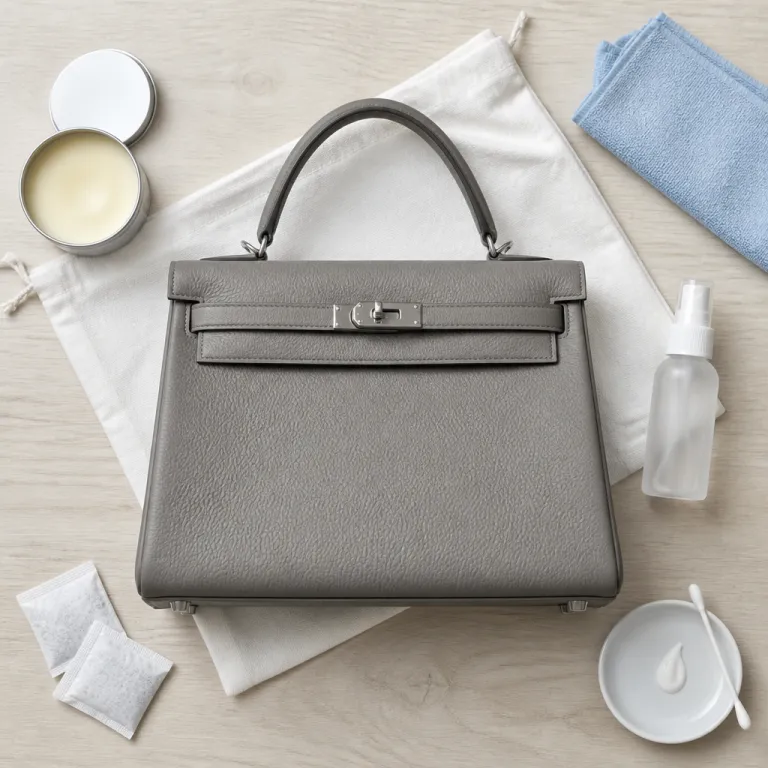
Heat, high temperatures and the quiet ageing of quality leather
Step into a parked car in summer and you feel it instantly. Above roughly 35 °C, leather natural fibres begin to lose internal moisture and the risk of permanent damage rises sharply. Your finest leather goods are not melting, but their long term resilience is being quietly negotiated with every degree of excess heat.
On a dashboard or parcel shelf, temperatures can climb far beyond the outside air, baking leather items until they stiffen, craze and lose their original appearance. Full grain leather and other quality leather types hold out longer than corrected grains, yet even the best leather products will suffer when trapped behind glass in direct sun for an entire season. Treat the cabin of a closed car as you would a low oven ; no professional would leave a leather conditioner bottle there, so your leather shoes and bags deserve the same respect.
Instead, build summer leather care tips into your daily routine and keep every piece at stable room temperature whenever possible. Rotate leather items so the same shoe or bag is not exposed to peak heat day after day, and let shoes dry slowly away from radiators or vents after a commute. This simple protocol of proper care, combined with periodic conditioning using a high calibre leather conditioner, does more for long term performance than any exotic products or marketing claims.
Humidity, water and the ventilation protocol for leather goods
Moisture is the other summer antagonist, and it rarely announces itself. A brief rain shower, a spilled bottle of water or even dense coastal air can leave leather items slightly damp, then trapped in a closed bag where mould quietly forms. The same leather natural structure that makes full grain so supple also allows spores to colonise when shoes dry too slowly without air circulation.
After any contact with water, your first move is to wipe excess gently with a clean, lint free cloth, then let the piece rest at room temperature with space around it. Never stuff wet leather shoes straight into a locker or suitcase ; instead, insert cedar shoe trees to maintain shape and elevate them on a rack so air can circulate. For bags and small leather goods, open every pocket, remove seasonal clutter and allow the interior to breathe for several hours before returning them to their usual storage.
Humidity control is also about architecture, not only products, and this is where a more comprehensive protection strategy pays off. A temperature stable closet with a slight gap between shelves and walls lets leather care routines work properly, especially when combined with breathable cotton dust bags rather than plastic. For a deeper dive into building layered protection for your investment pieces, the guide on protecting your luxury leather investment offers a useful structural checklist that complements these summer leather care tips.
Sweat, body oils and the slow patina of straps and handles
Summer is when your own skin becomes one of the most powerful conditioning agents your leather will ever meet. Sweat, natural oils and microscopic salt crystals migrate from wrist, palm and ankle into straps, handles and shoe linings, darkening some zones while leaving others pale. The result can be a beautiful patina on grain leather, or a patchy, greasy sheen that undermines the appearance of even the most discreet leather products.
To keep this process on your side, treat contact points as seasonal high risk areas and fold them into your regular leather care ritual. Wipe excess perspiration from watch straps, bag handles and shoe collars with a barely damp cloth at the end of the day, then let them dry fully at room temperature before storage. Every four to six weeks in heavy summer use, apply conditioner sparingly to these zones, working a small amount of leather conditioner into the surface, then buffing to remove residue so pores remain open and the leather natural grain stays crisp.
Rotating between several pairs of leather shoes and alternating bags gives each piece time to rest, shoes dry and fibres to rebound, which is essential for long term comfort and hygiene. When you feel a strap becoming tacky rather than supple, that is usually a sign of accumulated oils and over conditioning rather than a lack of care leather routines. A focused cleaning session, guided by a specialist article such as the secret to maintaining your luxury leather goods, will restore balance and keep your summer leather care tips aligned with how artisans intended the material to age.
Sunscreen, salt and the chemistry of summer stains
Few things age a strap or tote faster than modern sunscreen. These formulas blend oils, filters and stabilisers that migrate rapidly into leather fibres, where they can cause permanent damage and a cloudy, uneven appearance. The same goes for salt traces from skin or sea spray, which crystallise on the surface and draw out moisture if they are not removed with proper care.
When sunscreen touches leather items, speed matters more than any miracle products, so act immediately. Blot, never rub, using a clean cloth to lift as much product as possible, then wipe excess with a second dry cloth before any cleaner touches the surface. Allow the area to rest at room temperature, then consult a professional cleaner if a halo remains, because aggressive conditioning or the wrong leather care solution can drive the stain deeper and make later restoration far harder.
Salt marks on leather shoes after a coastal walk or city pavement are another seasonal hazard that rewards discipline. Rinse the affected area lightly with water, pat dry, then let the shoes dry slowly before you apply conditioner in a thin, even layer to rebalance oils and maintain shape. If you ride or handle tack in summer, the same principles apply to saddles and bridles ; regular cleaning, careful conditioning and measured use of leather products will keep both full grain and more delicate finishes ready for the next season rather than only surviving it.
Summer storage, seasonal rotation and long term resilience
How you store leather goods between meetings, flights and weekends often matters more than what you apply to them. A summer storage checklist should feel as natural as choosing the right shoe for the right occasion, because it is the quiet backbone of every effective set of summer leather care tips. Think of it as a seasonal counterpart to your winter routine, tuned to heat, humidity and the specific risks of sunscreen and sweat.
Start with structure ; always maintain shape using shoe trees for leather shoes, tissue for bags and gentle support for smaller leather items such as wallets and cases. Place each piece in a breathable dust bag, then store in a closet where temperatures remain close to room temperature and away from direct sunlight or radiators. Avoid stacking heavy items on top of softer full grain pieces, as this can crush the grain leather pattern and cause subtle damage that only becomes obvious after several seasons.
Once or twice a season, perform a full audit of your collection, checking for dry patches, tacky residues from over conditioning and any early signs of mould. This is the ideal moment to apply conditioner sparingly where needed, refresh your understanding of tips leather experts share about reviving leather after winter dryness, and adjust your care leather schedule for the warmer months. By treating summer as a distinct season in your leather care calendar rather than an afterthought, you give every piece the best chance of ageing with grace, not just surviving another cycle of heat and humidity.
FAQ
How often should I condition leather goods during summer ?
For most frequently used leather goods in hot climates, conditioning every four to six weeks is a sensible rhythm. Focus on high stress zones such as straps, handles and the flex points of leather shoes rather than coating the entire surface each time. Always apply conditioner in thin layers, allow full absorption and then buff lightly so the leather natural grain remains open and breathable.
What is the safest way to dry wet leather shoes in hot weather ?
After rain or accidental soaking, first wipe excess water with a clean cloth, then insert cedar shoe trees to maintain shape and absorb internal moisture. Let the shoes dry at stable room temperature away from direct sun, radiators or fans, which can cause surface cracking and long term damage. Never use a hairdryer or place shoes near a heater, because rapid drying can distort full grain fibres and leave the leather feeling brittle.
Can I use the same leather products in summer and winter seasons ?
High quality leather products such as neutral creams and balms can usually serve across both summer and winter, but the way you use them should be seasonal. In hot months, lighter conditioning and more frequent cleaning to remove sweat, salt and sunscreen residues are preferable to heavy applications of conditioner. During colder season periods, slightly richer formulas can help counteract dry indoor air, provided you still avoid overloading the surface and always wipe excess after conditioning.
How do I prevent mould on leather items in humid climates ?
Prevention starts with ventilation ; never store slightly damp leather items in sealed plastic or crowded closets. Allow pieces to air at room temperature after wear, use breathable dust bags and consider rotating seasonal items so nothing sits untouched for months in high humidity. If you notice early mould spots, isolate the affected leather goods, clean them promptly with a suitable product and consult a professional if the growth has penetrated the grain leather surface.
Are synthetic waterproof sprays safe for luxury full grain leather ?
Many synthetic sprays form a surface film that can seal pores and prevent leather natural fibres from breathing, which is not ideal for high end full grain pieces. For luxury leather goods, it is usually better to rely on balanced leather care routines, occasional use of a compatible leather conditioner and sensible avoidance of heavy rain rather than aggressive waterproofing. When extra protection is essential, choose products specifically formulated for the type of leather in question and test them on a discreet area before full application.