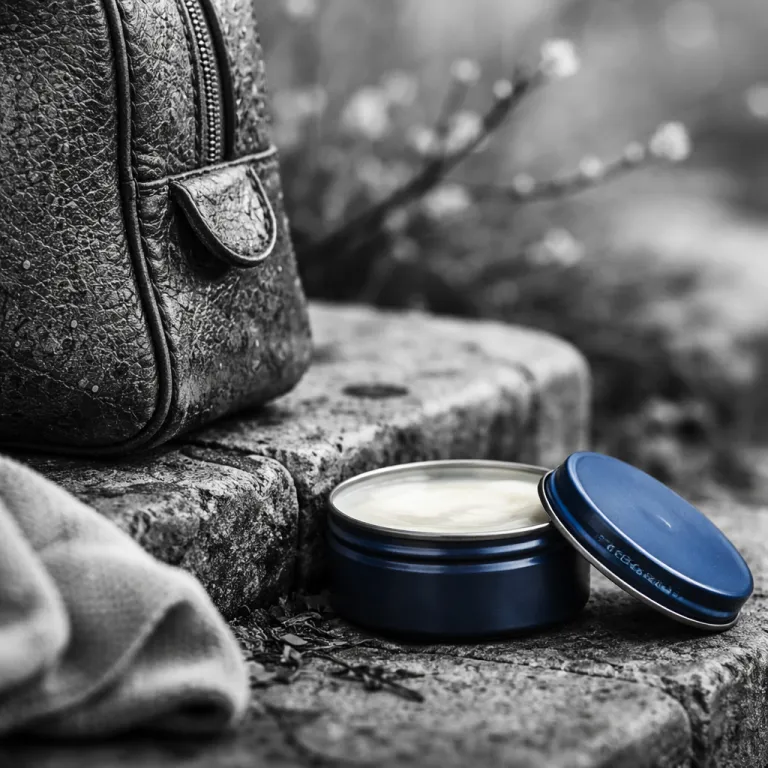
Reading winter’s damage before your spring leather care refresh
By April, every serious leather wardrobe starts telling the truth. Under the soft daylight of spring cleaning, dry patches, salt halos, and flattened grain appear on leather jackets, briefcases, leather furniture, and leather seats in your car. The instinct is to scrub everything hard and then drown it in leather conditioner, yet that impulse will often mute patina, clog pores, and leave stains leather owners regret by the first hot commute.
Begin your spring leather care refresh with a quiet inspection, not a bottle of cleaner. Run fingertips slowly over each leather surface and feel where the finish has turned chalky dry, where winter rain left tide marks, and where colour looks cloudy rather than rich. This diagnostic pass will decide whether you reach for a gentle leather cleaner, a targeted cleaner–conditioner, or simply a soft cloth and patience, because not every mark needs aggressive leather cleaning to age beautifully.
Salt damage from February pavements usually shows as pale, crusty stains that sit on top of the grain. These stains leather owners see on city boots and leather suede sneakers should be lifted with a slightly damp cloth first, then allowed to dry for a full day before any leather care products touch the surface. Colour fade, by contrast, is a deeper issue in the dye layer, and no amount of Leather Honey–style conditioner or care wipes will restore pigment that has simply left the fibre structure.
The clean–rest–condition sequence that respects luxury grain
A disciplined spring leather care refresh follows one strict order: clean, rest, then condition. Start by using a dedicated leather cleaner, never generic household cleaning products that strip finishes and leave the surface squeaky rather than supple. For smooth leather bags, wallets, and belts, apply the cleaner with a barely damp cloth, work in small circles, then wipe away residue so you clean leather without soaking it.
Once the surface is free of obvious stains, walk away and let the piece dry for at least twenty four hours in a shaded, ventilated room. This rest period allows moisture to leave the fibre network so the next application of leather conditioner or cleaner–conditioner can penetrate evenly instead of trapping water inside. Skip this drying window and you risk softening the structure too much, which will make handles stretch, edges wave, and even the best leather lose its crisp architecture over a few seasons.
Only after this pause should you reach for a conditioner, whether that is a classic Leather Honey–style formula, a Weiman leather lotion, or another high quality leather care cream. Use far less product than you think, especially on fine briefcases and leather furniture armrests, because over conditioning flattens the natural peaks of the grain and slows patina development. For a car interior, treat leather seats panel by panel, buffing thoroughly so no greasy film remains, and remember that a light application every six to ten weeks in active use is usually the best rhythm rather than a heavy treatment after every long drive.
Mink oil, beeswax, suede, and nubuck in a spring context
Not all conditioners are created for a refined spring leather care refresh. Heavy mink oil and dense beeswax blends have their place, yet they can darken pale leather and permanently change the hand of a finely milled calf briefcase. Reserve these products for rugged boots or outdoor leather suede pieces where water resistance matters more than maintaining a crisp, sartorial finish.
For suede and suede nubuck, the entire philosophy of cleaning leather must shift away from liquids. Start with a suede brush to lift the nap, then use a dedicated suede cleaner in foam form if needed, always allowing the surface to dry completely before brushing again. Any attempt to clean suede with standard leather cleaner or to saturate it with leather conditioner will create tide marks and shiny patches that no amount of later care can fully reverse.
When you buy new care products in spring, resist the easy scroll through a generic Amazon sale page and instead read the technical notes with the same attention you give to a movement specification. Look for pH balanced leather cleaning formulas in the mildly acidic range (around pH 4.5–5.5), fragrance free options for sensitive linings, and clear guidance on whether a product suits both leather and suede or only one category. A small, carefully chosen set of products that you can buy once and use sparingly will serve you better than a crowded shelf of half used bottles that tempt you to over treat every surface you own.
Storing lighter leather through warm months without regrets
Once your spring leather care refresh is complete, storage becomes the quiet test of discipline. Lighter shades of leather, from natural veg tan to pale taupe leather jacket panels, are especially vulnerable to colour transfer, mildew, and uneven drying as temperatures rise. The goal is to keep them clean, dry, and gently supported, not sealed away in plastic cocoons that trap humidity.
After the final pass of leather conditioner has fully absorbed and the surface feels dry rather than tacky, give each piece another twenty four hours on an open shelf. This pause ensures that no residual moisture or excess conditioner remains to imprint onto linings, dust bags, or adjacent leather furniture when you rearrange wardrobes. Store bags upright with tissue in the body, never overstuffed, and keep leather seats in rarely used cars covered with breathable cotton rather than synthetic throws that can stick to freshly treated grain.
For owners who like the convenience of care wipes, reserve them for quick, light cleaning rather than deep treatments before storage. Wipes are useful for removing fresh stains on handles or a sudden spill on a car armrest, yet they should not replace a considered leather cleaning routine with proper drying intervals. As spring turns to warmer months, this restrained approach will let your best leather pieces condition themselves slowly through wear and time, instead of being smothered under layers of well intentioned but excessive care.
Key statistics on leather care and conditioning
- Most luxury leather bags only need conditioning one to two times per year in normal rotation, while heavily used daily pieces may benefit from a light application every six to ten weeks at most, in line with guidance from major leather care brands such as Leather Honey and Weiman Leather.
- Over conditioning with heavy oils and waxes can significantly reduce visible grain definition over a few seasons, especially on fine calf and goat skins, as noted in manufacturer care notes and tannery finishing guidelines for aniline and semi-aniline hides.
- Allowing at least twenty four hours of drying time between cleaning and conditioning steps reduces the risk of trapped moisture and mildew formation in stored leather goods, a practice recommended in most professional leather care manuals and echoed in Galen Leather storage advice.
- Dedicated leather cleaning products formulated with balanced pH are less likely to strip finishes than multipurpose household cleaners, which often contain solvents and surfactants that are too aggressive for aniline and semi-aniline leather.
Quick spring leather care checklist (image: neatly arranged leather care kit on a shelf, alt text: "spring leather care checklist with cleaner, conditioner, and brushes"):
- Inspect: note dry areas, salt marks, and colour changes before you clean.
- Clean: use a pH balanced leather cleaner, applied sparingly with a soft cloth.
- Rest: let items dry at least twenty four hours in a cool, ventilated space.
- Condition: apply a light coat of cream or lotion; avoid heavy oils on luxury pieces.
- Store: keep leather supported, covered with breathable materials, and away from heat.
Frequently asked questions about a spring leather care refresh
How often should I condition my everyday work bag in spring ?
For a briefcase or tote in regular office rotation, a full spring leather care refresh with proper cleaning and a light conditioner once in early spring is usually enough. If the leather feels slightly dry by late season, one additional light application is acceptable, but avoid monthly heavy treatments. Your hands’ natural oils and regular use will do much of the quiet conditioning between those sessions.
Can I use the same cleaner on my leather jacket and my car seats ?
Many high quality leather cleaners are technically safe for both garments and automotive interiors, yet the finishes differ and so should your technique. On a leather jacket, use minimal product and avoid soaking seams or knit cuffs, while on leather seats you can work panel by panel with slightly more solution and thorough buffing. Always test in a hidden area first, because some automotive products leave a sheen that feels wrong on wearable pieces.
What is the safest way to treat salt stains from winter ?
Address salt stains leather owners see on boots and bags with a damp cloth first, lifting surface residue without scrubbing. Let the piece dry completely, then reassess before deciding whether a mild leather cleaner is necessary. Only after the grain looks even and dry should you apply a small amount of conditioner, focusing on restoring suppleness rather than chasing every faint halo.
Should I avoid mink oil and beeswax on luxury leather goods ?
Mink oil and heavy beeswax blends are excellent for rugged outdoor boots but often too aggressive for refined briefcases, wallets, and dress shoes. They darken leather, soften structure, and can leave a waxy feel that clashes with the crisp hand of high end calf or goat. For luxury pieces, choose lighter creams or lotions designed for fine leather, and reserve the heavier products for workwear that truly needs weatherproofing.
Is it safe to store conditioned bags in their original dust bags ?
It is safe as long as the leather is completely dry to the touch and has rested at least twenty four hours after conditioning. Dust bags made from breathable cotton are ideal, while synthetic or plastic covers can trap humidity and encourage mildew. When in doubt, leave the flap slightly open or store the bag on a shelf for a few extra days before long term packing.
References
- Leather Honey care guides and product usage instructions, including recommended conditioning frequency and cleaner application techniques.
- Galen Leather patina care notes and storage recommendations for aniline leather goods and veg-tan accessories.
- Weiman Leather product care recommendations and cleaning frequency guidance for furniture and automotive upholstery.