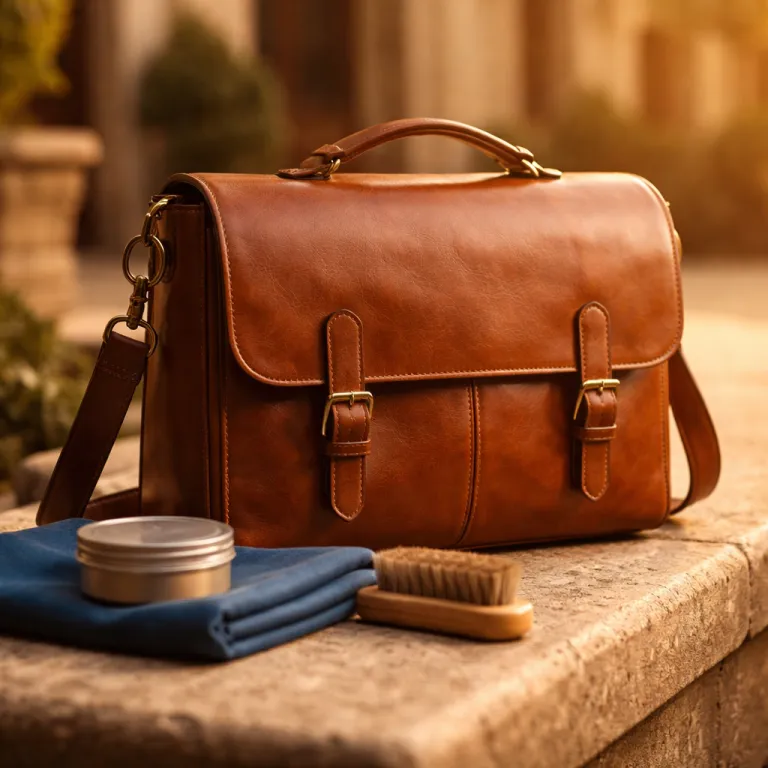
Why most leather bag care advice ages your bag too fast
Every leather bag you own is quietly negotiating with light, moisture, friction, and gravity. Many online guides on how to care for a leather bag recommend aggressive, product-heavy routines that soothe anxiety more than they serve the material, and they rarely respect how high-quality leather actually behaves over time. The result is handbags and briefcases that look tired too soon, even when the price and the logo promised longevity.
Four forces do the daily damage. Ultraviolet light dries the hide, flattens the natural grain, and turns a rich brown leather or dark oxblood towards a dull, uneven tone that no cream wax or leather conditioner can fully reverse. Raw denim jackets and jeans transfer indigo into bag leather, especially on pale bags leather and on a brown leather satchel, while prolonged dampness and overstuffing stretch the fibres until even the best bags will never quite return to their original, bag soft structure.
The irony is that overprotective leather care often accelerates this decline. Heavy use of water based spray protectors can seal the pores and stop the leather from breathing, so the leather bag feels plasticky and loses its natural shine and depth. Frequent applications of cleaner conditioner or thick cream wax clog the grain, so instead of trying to protect leather you slowly suffocate it, which is the opposite of intelligent bag care for a piece you expect to keep for decades.
Cleaning versus wiping: when to act and when to leave the leather alone
Owners who ask how to care for leather bag collections usually clean far too often. A luxury leather bag rarely needs a full cleaner session, but it always benefits from regular, almost absent minded wiping with a soft cotton cloth after a commute or flight. This light maintenance removes surface grime before it bonds with the finish, and the discipline is simple, respecting both leather care science and the quiet rituals that make living with fine leather bags satisfying.
Think in three levels of intervention. Daily or weekly, use a dry cloth to remove dust, city grime, and the faint traces of hand oils that would otherwise create dark patches on handles and bag leather corners, and this light bag care is usually enough for quality leather. Every few months, if the leather bag has picked up a visible mark from water or a café table, use a very small amount of a pH balanced cleaner on the cloth, never directly on the leather, and work in wide circles so the cleaner does not create a tide mark on the brown leather or on any other colour.
Reserve deep cleaning for genuine incidents. If a suede nubuck panel meets an oily stain, blot gently with a dry cloth first, then use a specialist suede nubuck cleaner rather than a general cleaner conditioner that would flatten the nap and ruin the texture. For car interiors, the same restraint applies, and a dedicated guide to choosing the perfect cleaner for your luxury leather car seats explains why overusing spray products in enclosed cabins can be as unkind to the material as it is to the air you breathe.
The minimalist leather care kit that actually works
A refined wardrobe of leather bags deserves a care kit as edited as your suits. You do not need a shelf of colourful bottles from every shop that runs a seasonal sale on leather care accessories, and you certainly do not need a different cleaner for every shade of brown leather or every leather satchel you own. Three or four well chosen tools will quietly serve all your leather bags for years and make routine care feel deliberate rather than fussy.
Start with a large horsehair brush, which lifts dust from the grain without scratching and restores a gentle shine that feels natural rather than lacquered. Add two cotton cloths, one reserved for applying a water based leather conditioner or cream wax, and one kept perfectly clean for buffing, because a dedicated buffing cloth keeps bag leather surfaces even and avoids dragging old product across lighter bags leather. Finally, choose a single neutral cleaner conditioner that is free from silicone, harsh solvents, and heavy perfumes, ideally pH balanced in the mildly acidic range recommended by traditional tanneries, so it can nourish leather without leaving a sticky film that attracts more dirt than it removes.
Some owners like to add a discreet spray protector, but use it sparingly and only on open pore leathers or suede nubuck panels that will see real rain, not just the walk from car to office. For more technical environments, such as car interiors, a specialist guide to choosing the best leather cleaner for your car is worth reading before you introduce any new cleaner into your routine. Keep everything together in a small box near where you store your bags, so you are more likely to use the kit at the right time instead of panic buying another product when a spill happens.
Conditioning cadence: how little is enough for a lifetime bag
The loudest myth about how to care for leather bag collections is that conditioning must be frequent and heavy. In reality, over conditioning is one of the fastest ways to make a leather bag look swollen, waxy, and older than it is, because the fibres become saturated and the surface loses its crisp definition. A disciplined, minimalist schedule respects both the material and the way quality leather develops patina over time, and it aligns with recommendations from traditional leather workshops.
For a bag in regular rotation, one or two light conditioning sessions per year are usually sufficient, with perhaps a third if you live in a very dry climate or travel constantly by air. Apply a thin layer of a good leather conditioner or cream wax with a cloth, let it sit for a short time, then buff until the shine is soft and the bag soft to the touch, and this approach will nourish leather without clogging the grain. If you prefer a more frequent ritual, keep it to a light coat every six to ten weeks, and always err on the side of less product rather than more.
Watch for signs that you have gone too far. If the leather bag feels tacky, shows dark, greasy patches, or loses its natural variation of tone, stop all products and simply brush and wipe with a dry cloth for several months so the excess conditioner can migrate out slowly. The same restraint applies to leather jackets and small leather goods, because the temptation to match the glossy finish of boutique best sellers often leads to a plastic looking surface that no serious connoisseur associates with true leather care or with the kind of bags leather that ages with quiet authority.
Storage, structure, and the quiet damage you do between wears
What happens to your leather bags between outings matters more than any product you apply. Many owners who care leather obsessively during the day undo that work at night by hanging a heavy bag on a wire hook or sealing it in a plastic bag, and these habits slowly deform the structure and trap moisture. The damage is incremental, so by the time you notice a warped silhouette or a musty smell, the fibres have already been stressed for a long time.
Store each leather bag upright on a shelf, ideally in a breathable dust bag that allows air circulation while keeping off light and dust. Avoid stacking bags leather under the weight of others, because even a light leather satchel can press creases into a softer tote over time, and those creases rarely relax fully even if the bag soft leather was initially resilient. Instead of stuffing with newspaper, which can transfer ink and acidic residues, use clean cotton or unbleached tissue to support the shape without overfilling.
Humidity control is another quiet form of bag care that pays dividends. Keep bags away from radiators and direct sunlight, and if a leather bag gets wet, let it dry at room temperature with paper inside to absorb water, never under a hairdryer or near a heater that would bake the oils out of the grain. When you refine your storage, it is also a good moment to review other leather accessories, such as belts, and a detailed guide on how to choose the perfect belt size for luxury leather goods owners can help you align your whole wardrobe with the same thoughtful, long term mindset.
Reading the leather: when to intervene, when to rest, when to buy
A seasoned owner learns to read the surface of leather the way a watch collector reads a dial. The question is not only how to care for leather bag pieces, but when to step back and let time do its work, because patina is a record of use, not a defect to be polished away. The art lies in distinguishing healthy ageing from signs that the leather or the construction is asking for help, and then choosing the lightest effective response.
Healthy patina shows as gentle darkening on handles, a softening of edges, and a subtle, almost waxy shine that comes from contact with clean hands and the occasional pass of a cloth. Alarm signals include sharp, cracked lines where the leather bends, cloudy white patches that suggest product build up, and a sticky feel that tells you the last layer of conditioner or spray never truly absorbed into the fibres. When you see these, stop all products, brush lightly, and give the bag several months of simple, dry use so the surface can rebalance before you consider any further leather care.
There is also a point where a piece moves from everyday rotation to archive status. If a leather bag has seen heavy professional use for many years and the structure is tired, it may be wiser to retire it from daily commuting and let it live a gentler life on weekends, while you invest in a new workhorse at a price that reflects both construction and material quality. When you browse a shop or continue shopping online, ignore the noise of seasonal sale banners and best sellers lists, and instead handle the leather, feel whether it is truly quality leather or a heavily corrected surface, and choose the bag leather that will still feel honest in your hand after a decade of meetings, flights, and quiet, well judged care.
Key figures on leather bag care and longevity
- Regular light wiping with a dry cloth significantly reduces visible surface dirt on a frequently used leather bag compared with bags that are only cleaned during occasional deep sessions, a pattern consistently reported by European leather restoration workshops and heritage saddlers.
- Controlled conditioning, limited to one or two sessions per year, has been shown in guidance from long established tanneries and saddlery makers to extend the supple feel of quality leather versus monthly conditioning, which often leads to over saturation and premature dullness of the grain.
- Storing bags in breathable dust bags rather than plastic is associated with a much lower incidence of mould and odour issues in humid climates, according to case notes from specialist handbag restoration studios in major cities such as London and Singapore.
- Using a horsehair brush instead of synthetic bristles reduces the risk of micro scratching on smooth leather surfaces, which helps maintain a more even shine over long periods of regular use, as noted in care recommendations from traditional shoe and leather ateliers.
How often should I condition a luxury leather bag ?
For most luxury leather bags, one or two light conditioning sessions per year are enough, with perhaps a third if you live in a very dry climate or travel constantly. Apply a thin layer of a neutral, water based leather conditioner, allow a short absorption time, then buff thoroughly so no residue remains on the surface. If the leather still feels supple and shows a gentle natural shine, you can safely extend the interval before the next conditioning.
What is the safest way to clean everyday dirt from a leather bag ?
The safest method for everyday dirt is simple wiping with a soft, dry cotton cloth after use. This removes dust, light grime, and surface oils before they have time to settle into the grain, which often eliminates the need for stronger cleaner products. Reserve specialised cleaners for visible stains or accumulated build up, and always test on a discreet area first.
Can I use the same products on suede nubuck and smooth leather bags ?
Suede nubuck and smooth leather require different approaches, because their structures and finishes react differently to moisture and product. Use a dedicated suede nubuck brush and, if needed, a specialist cleaner designed for open fibre surfaces, while keeping water and cream based products away from the nap. Smooth leather bags respond better to minimal, carefully applied water based conditioners and gentle cream wax formulas.
Is a waterproof spray necessary to protect leather from rain ?
A waterproof spray can be helpful for certain leathers, but it is rarely essential for all bags and should be used sparingly. Many modern sprays form a film that can reduce breathability, so they are best reserved for high exposure situations or for suede panels that would otherwise absorb water quickly. For most smooth leather bags, prompt drying at room temperature and regular light care provide sufficient protection.
How should I store my leather bags when I am not using them ?
Store leather bags upright in a cool, dry place, away from direct sunlight and heat sources. Use breathable dust bags and gentle internal stuffing with cotton or tissue to support the shape without stretching the seams, and avoid hanging heavy bags by their handles for long periods. This approach prevents warping, creasing, and moisture build up, which are the main storage related threats to long term leather health.
Leather bag care checklist
- Wipe: After each day of use, wipe your leather bag with a soft, dry cotton cloth to remove dust and hand oils.
- Brush: Once a week, use a horsehair brush to lift dirt from seams and restore a natural, even sheen.
- Spot clean: For fresh stains, blot gently, then apply a pH balanced cleaner to a cloth and work in wide circles.
- Condition: Limit conditioning to one or two light applications per year, buffing thoroughly to avoid residue.
- Store: Keep bags upright in breathable dust bags with light stuffing, away from heat, humidity, and direct sun.