Why storage matters more than wear for every leather bag
A leather bag spends most of its life in storage, not on your shoulder. The way you store leather at home will quietly decide whether your leather goods age with sculpted grace or collapse into tired folds and damage material that no artisan can fully reverse. If you care about how to store leather bags properly, you must treat the hours off your arm with the same respect as the hours in use.
Think of each bag as an architectural object whose shape is held in tension between the leather, the lining, and the internal structure. When you keep bags on a crowded shelf, stacked or slumped, the weight and pressure over time will deform that structure, so proper storage becomes less about aesthetics and more about preserving the integrity of the material itself. Good leather care is therefore not only about how you clean a leather bag, but also about how you are storing leather bags between meetings, flights, and seasons.
Owners often focus on patina and ignore the quiet physics of storage. They will invest in a premium leather conditioner yet store bag collections in plastic bags, trapping humidity that prevents the leather from breathing and encourages mould in a surprisingly short time. To maintain shape and keep each leather bag soft, you need a storage routine that respects airflow, light, and gravity as much as it respects brand heritage and design.
Climate, light, and air: creating the right environment for leather bags
The first rule of how to store leather bags properly is to control climate before you even think about shelves or stuffing. Leather is skin, and like skin it prefers a stable environment with moderate humidity and temperature, so you should aim to keep your storage space between 15 and 25 °C with relative humidity around 40 to 55 percent. This range is consistent with preventive conservation guidance from major museums and helps prevent the material from drying and cracking when the air is too dry, while also helping to prevent mould growth when the air is too damp.
Direct sunlight is the quiet enemy of every leather bag, because ultraviolet rays break down the fibres and fade dyes over time even when the bag looks fine day to day. Conservation research on organic materials shows that cumulative UV exposure can cause noticeable fading after only a few hundred hours of direct light. To avoid this slow damage, store leather bags away from windows and skylights, and be sure that any glass cabinet you use filters light or is positioned where direct sunlight never hits the shelves. A well ventilated wardrobe or cabinet is ideal, since gentle air movement helps keep the leather dry and discourages the kind of trapped moisture that can turn dust into a film that bonds to the surface.
Climate control becomes even more critical when you are storing leather bags in humid regions or older apartments with inconsistent heating. In those cases, a small dehumidifier sized for the room’s cubic volume, cedar blocks, or silica gel packets placed near your accessories can help keep the air dry enough without overdrying the leather itself. As a practical guide, a 10–20 m² dressing room often benefits from a compact dehumidifier rated around 10–12 litres per day, and silica gel sachets totalling 50–100 grams per shelf can help buffer short term humidity spikes around your bags; simple digital hygrometers and colour changing silica gel beads make it easy to see when conditions drift outside the recommended range.
The stuffing question: how to maintain shape without stressing the leather
If you want to know how to store leather bags properly, start by looking inside the bag, not outside. The way you stuff bag interiors will determine whether they maintain shape or collapse into creases that never fully relax again, especially in shoulder bags and softer totes. A structured leather bag can tolerate more pressure than a slouchy hobo, but both need thoughtful internal support during long time periods of storage.
Acid free tissue paper is the gold standard for stuffing because it is light, breathable, and gentle on every material from calfskin to suede, so you can fill the bag softly without creating hard pressure points. Old cotton T shirts can work well as a secondary option if they are perfectly clean and dry, but you should avoid coloured fabrics that might transfer dye to pale linings over time. Bubble wrap is less ideal for storing leather because it does not breathe and can trap moisture, and plastic bags used as stuffing are even worse, since they can create pockets of condensation that will slowly damage material from the inside.
When you stuff bag interiors, think of sculpting rather than packing. Use enough material to support the leather bag walls and maintain shape, but never so much that the leather is pushed outward and stressed at the seams. For long time storage, revisit the stuffing every few months, adjust the volume, and gently clean the interior with a soft microfiber cloth to remove dust before you close the bag again and return it to its proper storage place, perhaps alongside a dedicated leather storage box or organiser for smaller accessories.
Dust bags, shelves, and the art of positioning each leather bag
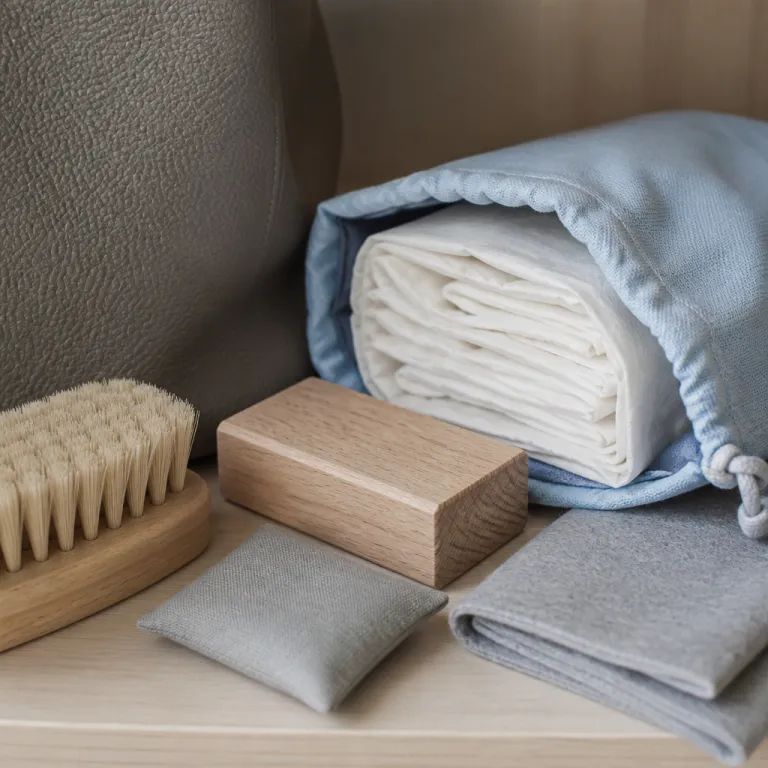
The dust bag is not a marketing extra; it is a functional tool in the debate on how to store leather bags properly. A good cotton dust bag shields the surface from dust and light while still allowing the leather to breathe, which is essential for long time storage in closed wardrobes. Non woven fabric dust bags can also work well if they are soft and breathable, but you should avoid any dust bag made from coated or synthetic material that feels like plastic.
Plastic bags, whether shopping bags or garment covers, should never be used to store leather because they trap moisture and prevent air circulation, which will eventually lead to mould and a sticky film on the surface. Instead, place each clean and dry leather bag upright on a shelf, inside its dust bag, with enough space so that the sides are not pressed tightly against neighbouring bags. Stacking bags horizontally or piling them on top of each other will distort their shape over time, especially for shoulder bags with softer structures that are more vulnerable to pressure.
Positioning also matters for straps and handles. Never hang a heavy leather bag by its handles or shoulder strap for long time storage, because the constant pull will stretch the leather and deform the attachment points. Lay straps flat inside or around the bag, making sure they are not bent sharply, and keep shelves away from radiators or other heat sources that can dry the material too quickly and prevent the leather from ageing well.
Cleaning, conditioning, and seasonal rotation before storing leather bags
Before you store leather bags for a season, you should always clean them gently so that dust, skin oils, and city grime do not sit on the surface for months. Use a soft microfiber cloth to wipe the exterior and hardware, then, if needed, apply a small amount of a high quality leather conditioner that is appropriate for your specific type of leather. The goal is to keep the leather bag supple without saturating the pores, because too much product can attract dust and create a sticky finish that undermines good leather care.
Pay attention to the interior as well, since crumbs and loose particles can abrade the lining over time if they are left in place. Turn the bag lining out where possible, or use a small vacuum with a brush attachment on low power, then clean any marks with a suitable fabric or leather care product recommended for that material. Once the bag is completely dry, you can stuff bag interiors with tissue, place them in their dust bag, and return them to a well ventilated storage space where they will rest without stress.
Seasonal rotation is your opportunity to inspect each piece and make sure small issues do not become structural problems. When you bring a bag out of storage, check the shape, feel whether the leather is still soft, and look for any early signs of cracking or damage material around stress points. If you notice deeper scuffs or surface irregularities, you can consult a professional leather repair specialist or a detailed restoration guide so that you address the issue before it compromises the bag’s long term integrity.
Common storage mistakes that quietly ruin luxury leather goods
The most common mistake in how to store leather bags properly is using plastic bags as a shortcut for dust protection. They seem convenient, but they suffocate the leather, trap humidity, and prevent the material from regulating moisture, which will eventually lead to mould, odour, and a bag soft in all the wrong places. A breathable dust bag and a well ventilated shelf will always serve your leather goods better than any improvised plastic cover.
Another frequent error is overstuffing or understuffing when storing leather bags. Leaving a bag empty allows gravity to collapse the structure and crease the leather, while ramming it full of paper or accessories will stretch seams and distort the silhouette over time. Aim for a balanced approach where you stuff bag interiors just enough to maintain shape, then keep the bag upright so that the weight is distributed evenly across the base rather than hanging from the handles.
Finally, many owners forget that leather has a memory for pressure and heat. Storing a leather bag near a radiator, under direct sunlight, or pressed tightly between other bags will create permanent lines and waves in the material that no leather conditioner can fully erase later. Respecting space, airflow, and gentle support is the quiet discipline that will prevent damage material and keep both single bag icons and larger collections of leather bags looking composed for a very long time.
Key figures on climate and storage for leather bags
- Relative humidity between 40 and 55 percent is widely recommended by conservation specialists for storing leather goods, because levels above 60 percent significantly increase the risk of mould growth on organic material. Institutions such as the Canadian Conservation Institute and the Victoria and Albert Museum publish similar ranges for mixed leather collections in their preventive conservation notes.
- Temperature stability between 15 and 25 °C helps prevent rapid expansion and contraction of leather fibres, which can otherwise accelerate cracking and surface fatigue over time. Preventive conservation literature emphasises stability over extreme precision, so avoiding sudden swings is as important as the exact number.
- Studies in preventive conservation show that ultraviolet exposure can fade dyed leather surfaces by more than one visible shade category after several hundred hours of direct sunlight, which is why long term storage near windows is discouraged.
- Using breathable cotton dust bags instead of plastic bags allows water vapour to pass through the fabric, reducing the likelihood of condensation forming on the leather surface during temperature changes in storage rooms.
- Regular inspection of stored leather bags every three to six months helps identify early signs of mould, dryness, or deformation, allowing owners to adjust stuffing, climate, or cleaning routines before irreversible damage occurs; a simple recurring reminder on your phone can make this routine easy to maintain.
FAQ: how to store leather bags properly
How should I prepare a leather bag before long term storage ?
Empty the bag completely, then gently clean the exterior with a soft microfiber cloth and, if needed, a small amount of suitable leather care product. Allow the leather bag to dry fully away from direct sunlight, then stuff the interior with acid free tissue to help maintain shape without stressing the seams. Finally, place it in a breathable dust bag and store it upright in a cool, dry, well ventilated space.
Is it safe to store leather bags in plastic bags or boxes ?
Plastic bags and fully sealed plastic boxes are not recommended for storing leather because they trap moisture and prevent air circulation. Over time this can encourage mould growth, unpleasant odours, and surface stickiness, especially if the bag was not perfectly dry when stored. Use breathable dust bags and, if you prefer boxes, choose ones that allow some airflow and line them with cotton rather than plastic.
How often should I condition my leather bags if they stay mostly in storage ?
For bags that are stored more than they are used, light conditioning once or twice a year is usually sufficient, provided the climate is well controlled. Apply a thin, even layer of a high quality leather conditioner only when the leather feels slightly dry, and always remove any excess so that dust does not cling to the surface. Over conditioning can clog the pores and attract dirt, so restraint is better than enthusiasm.
Can I hang my shoulder bags by their straps in the wardrobe ?
Hanging shoulder bags by their straps for short periods is acceptable, but it is not ideal for long term storage. The constant downward pull can stretch the leather and distort the attachment points, especially on heavier bags or softer materials. For proper storage, it is better to keep bags stuffed, placed upright on shelves, with straps laid flat or gently coiled inside.
What is the best way to prevent mould on stored leather goods ?
To prevent mould, keep the storage area within the recommended humidity range of 40 to 55 percent and ensure good ventilation. Always store leather bags clean and completely dry, in breathable dust bags rather than plastic, and avoid crowded, dark corners where air does not circulate. Periodic checks every few months allow you to spot any early signs of mould so you can air out, clean, and adjust the environment before the problem spreads.
Practical checklist and visual guide for storing leather bags
Quick checklist
- Keep storage climate around 15–25 °C and 40–55 percent relative humidity, monitored with a simple digital hygrometer.
- Store bags away from direct sunlight and heat sources, in a ventilated wardrobe or cabinet.
- Clean and dry each leather bag before storage; condition lightly only when the leather feels dry.
- Stuff interiors with acid free tissue or clean cotton to support shape without stretching seams.
- Use breathable cotton or soft non woven dust bags; never wrap leather in plastic.
- Place bags upright with space between them; lay straps flat rather than hanging heavy bags by their handles.
- Inspect every three to six months for mould, dryness, or distortion and adjust stuffing or climate as needed.
Suggested illustrative images
- Photo 1: A ventilated wardrobe with leather bags stored upright in cotton dust bags, hygrometer visible on the shelf. Alt text: “Leather handbags stored upright in breathable dust bags on a wardrobe shelf with a digital hygrometer.”
- Photo 2: Close up of a bag being gently stuffed with acid free tissue, straps laid inside. Alt text: “Hands stuffing a leather handbag with acid free tissue paper to support its shape.”
- Diagram 1: Simple sketch comparing correct storage (upright, spaced, dust bags) versus incorrect storage (stacked, plastic wrapped, near radiator). Alt text: “Diagram showing correct upright storage of leather bags compared with stacked and plastic wrapped bags near a heat source.”