From horse hindquarter to cordovan shell: understanding the hidden membrane
Cordovan shell leather begins where ordinary hides end, deep in the horse hindquarter. Beneath the visible skin lies a dense oval membrane called the shell, and this compact layer is what becomes true cordovan leather rather than any surface grain. Each animal yields only two shells, so every pair of shell cordovan shoes, every belt, and every card case already carries structural rarity before a tannery even lifts a hand.
On a flayed hide, the shell area sits over the rump, and skilled tanneries cut away surrounding leather to isolate those two compact ovals with almost no visible grain. This unique shell structure explains why cordovan rolls instead of creasing at the toe of a loafer or a monk strap, because the fibers run in tight, interlocking bundles rather than the looser weave of calf. When you flex a chukka boot made from brown shell or black shell, you feel that resistance immediately, and your eye will later read it as a smooth wave rather than a broken line.
Collectors often compare the price of cordovan leather to top calf, yet the comparison misses the point because the shell is not skin at all. You are paying for a membrane that must be coaxed into shape over months, not weeks, and for a cordovan product that behaves more like a polished hardwood than a soft fabric. That is why a pair of Horween shell loafers or a cordovan Horween belt can feel almost rigid at first in the hand, then slowly relax into a rolling patina that rewards decades of wear.
Six months in the pits: how vegetable tanning shapes cordovan character
The tanning evolution of cordovan shell leather is a study in deliberate slowness, with Horween leather in Chicago often cited by the company itself as a benchmark for long pit tanning. In Horween’s own descriptions of its shell cordovan process, the firm notes that production typically spans roughly six months from raw hide to finished shell, with extended time in vegetable tanning pits charged with tree bark liquors. Where regular price calf might be chrome tanned in days, genuine shell cordovan can remain in these pits for many weeks before any hand finishing begins, according to published descriptions from major tanneries and trade interviews.
Once tanned, the shells are hot stuffed with oils and waxes, then hand glazed on glass or steel to compress the fibers into that mirror like surface you know from black shell shoes and burgundy shell watch straps. This is where the difference between Horween shell and other tanneries becomes tactile, because the balance of oils, waxes, and glazing pressure will decide how your monk strap or chukka boot responds to water, heat, and time. If you want a deeper dive into how vegetable tanning compares to chrome processes across different leather goods, the technical guide on what the grain tells you about tanning offers useful context for reading cordovan’s unusually smooth surface.
Japanese specialists such as Shinki Hikaku and Italian makers like Rocado have refined their own recipes, sometimes marketed as cordovan Rocado or cordovan limited runs, each with subtle shifts in color and temper. Shinki’s own catalogues describe a focus on tight fiber structure and consistent dyeing, while Rocado is frequently highlighted in trade press for bolder finishing and museum like marbling. A cognac shell belt from one tannery may feel slightly drier in the hand than a dark brown shell loafer from another, yet both will share that unmistakable rolling break. The key is that none of these tanneries can shortcut the vegetable tanning durée without sacrificing the structural integrity that lets cordovan leather shrug off decades of wear and repeated sale cycles in the secondary market.
Horween, Shinki, Rocado: three philosophies of shell and finish
Among collectors, Horween shell remains the reference point for cordovan shell leather, especially in classic black and deep burgundy shell shades. Its surface often shows subtle dye marbling when you tilt a black shell loafer under natural light, and this slightly varied color is part of the charm rather than a defect. The hand is waxy yet pliable, so a double monk strap or a plain toe derby will ease over time without losing that dense, almost glassy feel.
Shinki Hikaku shells tend to arrive a touch firmer, with a more uniform dyed finish that many Japanese makers favor for sleek chukka boot and dress shoes. If you line up Horween leather and Shinki shells in cognac shell or dark brown, you will notice that Shinki often reads a bit cooler in tone, while Horween leans warmer and more variegated. This difference becomes obvious on smaller leather goods such as card cases and watch straps, where the uninterrupted shell surface lets your eye track every nuance of color and every roll that will form with use.
Rocado in Italy offers another angle, with cordovan Rocado prized for its bold color work and occasional museum like marbling that suits statement monk straps or even a dramatic belt. Some cordovan limited runs from Rocado push the palette further, pairing brown shell and black shell panels or experimenting with unusual toe cap treatments on bespoke shoes. For collectors who already own the classics, these Rocado shells can sit alongside exotic pieces such as a python bag from the world of refined exotics, as explored in the article on the refined allure of the python bag, yet still feel grounded in traditional vegetable tanned craft.
The patina that rolls, not creases: living with cordovan every day
What keeps owners loyal to cordovan shell leather is not only rarity but the way it ages on the foot and in the hand. Where calfskin shows sharp crease lines across the toe of your shoes, shell cordovan develops broad, shallow rolls that almost look like ripples on water. This rolling patina is a direct expression of the shell’s dense fiber structure, and it is why a well worn black shell loafer or dark brown chukka can look better after ten years than after ten wears.
On smaller leather goods the effect is subtler yet just as satisfying, because a burgundy shell card case or a cognac shell watch strap will slowly polish at the edges and soften at the fold without cracking. You can track the evolution of color as the dyed surface deepens, especially on brown shell and burgundy shell pieces that pick up a gentle glow where your fingers repeatedly touch. For many collectors, this quiet transformation is the real return on the initial price, because the cordovan product becomes more personal and less replaceable with every year of use.
Even belts and monk straps show this character, with the strap rolling around the buckle hole rather than forming a hard crease that might split on ordinary leather. If you compare a Horween shell belt to a chrome tanned equivalent after years of wear, the difference in surface integrity and color depth is obvious at a glance. That is why seasoned owners often rotate their cordovan leather goods less frequently than calf, trusting that the material will reward regular wear instead of demanding to be saved for rare sale occasions.
Caring for real shell: tools, techniques, and the price of authenticity
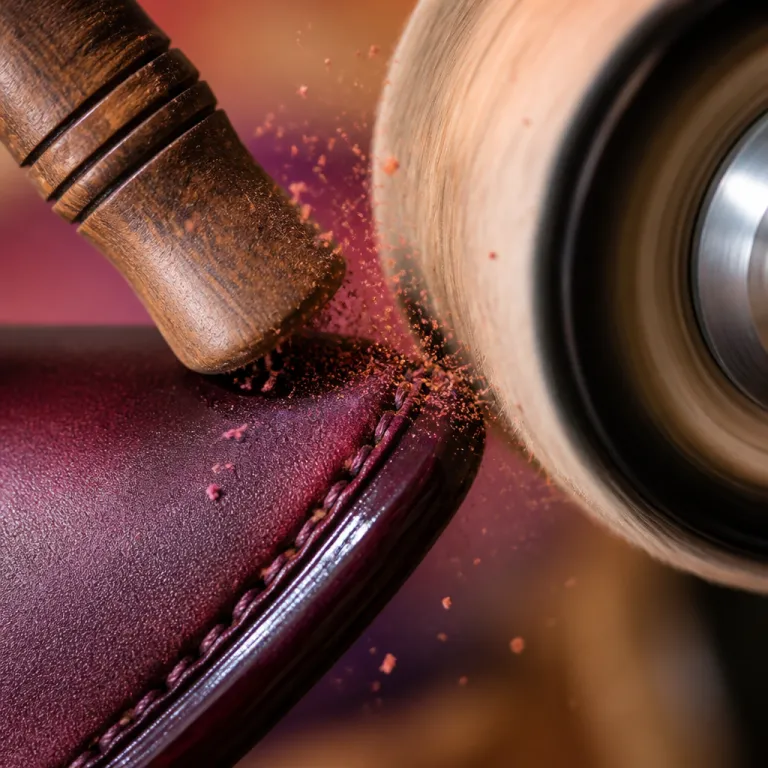
Proper care for cordovan shell leather is surprisingly minimal, yet it benefits from specific tools and rituals that respect the material’s density. A soft horsehair brush and a clean cotton cloth will handle most maintenance, because regular brushing brings waxes back to the surface and restores the natural sheen on black shell or brown shell shoes. When deeper rolls appear at the toe of a loafer or monk strap, some collectors use a smooth deer bone to burnish the shell, gently compressing fibers and evening out the surface without adding product.
Water spots on shell cordovan can often be lifted by lightly dampening the entire panel, then allowing it to dry evenly before a thorough brush, which helps avoid tide marks on dyed colors such as burgundy shell or cognac shell. Conditioning should be rare and sparing, since overfeeding Horween leather or Shinki shells can soften the structure that gives cordovan its resilience, so a tiny amount of neutral cream once or twice a year is usually enough for heavily worn shoes. For a broader perspective on how heritage materials age gracefully, many collectors enjoy reading about the timeless appeal of vintage pieces such as the vintage leather bomber jacket, which shares with shell the same respect for patina over perfection.
Authenticity is where care and price intersect, because genuine shell carries a clear cost floor that no amount of marketing can erase. If a pair of supposed cordovan shoes sits at a regular price far below established makers, or if a retailer leans heavily on free shipping and perpetual sale banners, your first instinct should be skepticism rather than excitement. True cordovan leather from serious tanneries is limited by biology and time, so the market simply will not support bargain black shell monk straps or chukka boots without cutting corners on material or substituting corrected grain leather.
How to tell real shell from pretenders when the label is not enough
Distinguishing genuine cordovan shell leather from lookalikes starts with the eye but ends with the hand. Under raking light, real shell cordovan shows a deep, almost liquid reflection with very little visible grain, especially on larger panels such as a plain toe shoe or a wide belt. When you flex the vamp of a loafer or the quarter of a chukka boot, the surface should form broad rolls rather than sharp, narrow creases that break the color.
The bend test is revealing, because authentic shell resists folding and then springs back smoothly, while ordinary leather will feel softer yet leave a more angular crease. Run a fingertip across the surface of Horween shell or cordovan Rocado and you will notice a cool, compact feel, almost like polished wood, which contrasts with the warmer, slightly spongy touch of calf. On small leather goods such as card cases and watch straps, the edges of real shell can be burnished to a glassy finish that stays intact, whereas substitutes often show fuzzy fibers or paint chipping after limited wear.
Price is the final filter, not because high cost guarantees quality, but because the economics of cordovan limited production set a realistic floor that serious makers respect. Genuine shell shoes, whether black shell monks or dark brown chukkas, require so much hand work at the tannery that even at full retail without sale incentives they rarely feel cheap. When you encounter a supposed cordovan product at a suspiciously low price, especially from unknown tanneries with vague descriptions, you can safely assume that what you see is simply well dyed cowhide rather than the rare shell membrane that takes roughly half a year to tan and a lifetime to quit, according to long standing tannery practice.
FAQ
Why is cordovan shell leather more expensive than calfskin?
Cordovan shell leather is more expensive because each horse yields only two small shells, and these dense membranes typically require around six months of vegetable tanning and hand finishing according to tannery literature from producers such as Horween. The limited supply from specialist tanneries such as Horween, Shinki Hikaku, and Rocado constrains global production, while the labor intensive glazing and stuffing processes add significant cost. As a result, the price of genuine shell cordovan shoes and leather goods sits well above even high grade calf, reflecting both rarity and craft.
How can I tell if my shoes are made from real shell cordovan?
Real shell cordovan shows a very smooth surface with minimal visible grain and develops broad rolls rather than sharp creases across the toe when flexed. If you bend the leather, it should resist and then spring back, and the color will often appear slightly mottled or layered, especially on black and burgundy shades. Authentic makers usually name the tannery, such as Horween or Shinki, and the price will align with known market levels rather than deep discount sale positioning.
Does cordovan need special care compared with other leathers?
Cordovan needs less product and more brushing than most leathers, because the shells are already heavily stuffed with oils and waxes at the tannery. Regular brushing with a horsehair brush and occasional buffing with a soft cloth are usually enough to maintain the sheen on shoes, belts, and small goods. Conditioning should be infrequent and very light, while techniques such as deer bone burnishing and controlled water dampening can help manage rolls and water spots.
Is cordovan suitable for everyday wear in all climates?
Cordovan is well suited to regular wear because the dense shell structure resists stretching and maintains shape, especially on structured shoes like loafers, monks, and chukkas. It handles cool and temperate climates particularly well, though prolonged exposure to heavy rain or high heat can temporarily raise the grain or dull the finish until brushed out. Many collectors reserve their finest shell pairs for dry days and rely on other leathers or rubber soled options when conditions are harsh.
Which cordovan colors age best over time?
Classic colors such as black shell, dark brown, and burgundy shell tend to age most gracefully, because their depth of dye highlights the rolling patina that develops with wear. Cognac shell and other lighter shades can show more dramatic variation as they pick up sunlight and handling, which some owners love for the visible character. Ultimately, the best aging result comes from consistent wear, regular brushing, and avoiding over conditioning, regardless of the specific color you choose.