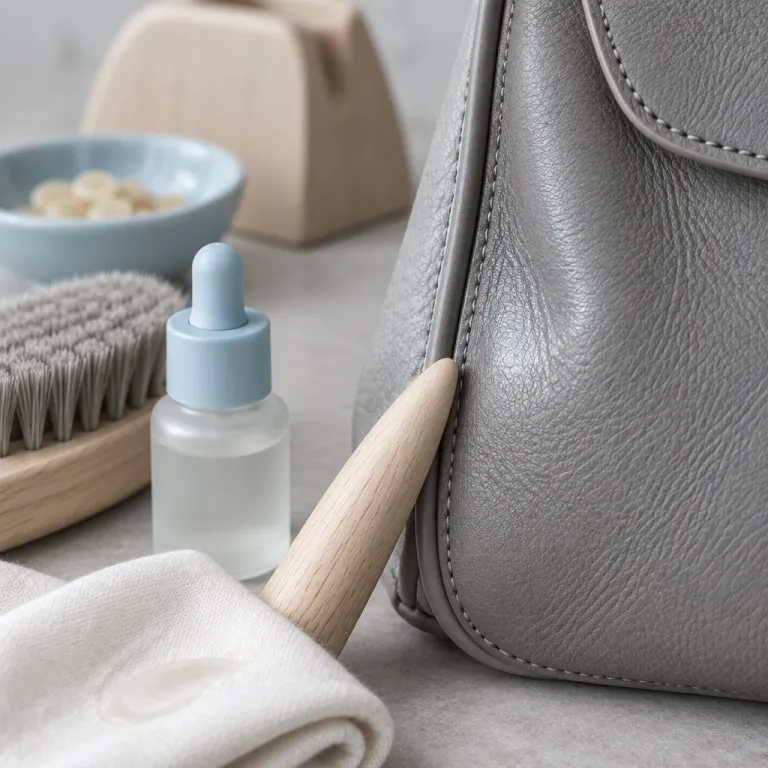
Why a new leather bag feels stiff and how to read it
A new leather bag often feels surprisingly stiff because the collagen fibres inside the leather are still tightly aligned. Those fibres behave almost like a woven textile at first, resisting bend and twist until regular movement gradually teaches them new habits. When you understand this internal structure, you stop asking how to break in leather bag quickly and start asking how to guide that break in with respect.
High quality leather, especially full grain leather from European tanneries, arrives with a firm hand that signals minimal correction of the leather surface. That firmness is not a flaw ; it is the raw potential that lets quality leather mould to your body, your grip and your daily routine over months rather than days. Cheaper bags leather often feel soft on day one because the grain leather has been heavily milled or coated, which can hide defects but shortens the long term pleasure of softening leather through use.
Think of a structured brown leather bag as a tailored jacket rather than a sweatshirt. You would never fold a new blazer in half to soften it, and you should not sharply bend stiff handles or panels on luxury leather bags either. The aim is to soften leather along the lines of natural movement, not to break the internal structure and create damage leather that will later require repair.
Collagen fibres, moisture and the role of hydration
Inside every piece of leather, collagen fibres form a three dimensional network that responds to moisture, pressure and time. When these fibres are too dry, the leather surface feels papery and resists flex, which tempts owners to overuse leather conditioner or even household products like coconut oil. True leather care balances moisture and lubrication so the fibres slide past each other without swelling, weakening or causing long term damage.
Hydration is not the same as soaking leather in water, which can cause irreversible damage leather by disrupting the tanning salts and natural oils. Instead, controlled humidity and carefully chosen conditioning routines keep the leather bag supple enough to accept a gentle break in while preserving its original shape and edge finishing. If you are serious about moisture and hydration, a dedicated guide to luxe leather hydration such as an ultimate guide to moisture mastery for luxury leather will help you calibrate your routine.
Vegetable tanned leather, often used in heritage briefcases and leather backpacks, starts out especially stiff because its fibre structure is less plasticised than chrome tanned hides. That is why owners sometimes panic about how to break in leather bag made from this kind of leather, yet the reward is a dramatic patina and softening leather that feels earned rather than manufactured. Chrome tanned leather bags arrive more pliable, but they still benefit from thoughtful leather care to avoid premature stretching at stress points.
The weight method: letting gravity do the quiet work
One of the safest answers to how to break in leather bag without forcing it is the weight method. You simply fill the bag to its intended working capacity with soft items such as folded shirts, a sweater or clean towels, then let it rest upright for 48 to 72 hours. Gravity applies a slow, even pull on the panels, handles and strap attachments, encouraging the leather to soften without sharp creases.
For a structured leather bag with a stiff front panel, position the heaviest items at the base so the weight settles where the bag is designed to carry load. Avoid overfilling beyond the regular working volume, because that only stretches stitching and can cause damage leather at the seams or hardware anchors. This method respects the original design unit of the bag, allowing the leather surface to relax into its intended silhouette rather than deforming under excessive strain.
Owners of leather backpacks can adapt the same approach by loading the main compartment with rolled clothing and hanging the backpack on a sturdy hook. Over a few days, the shoulder straps begin to soften leather exactly where they curve over your shoulders, instead of developing random kinks from being twisted or folded. Repeat this gentle loading at regular intervals during the first month, and you will notice progressive softening leather without any need for aggressive conditioning.
How much weight and how long to leave it
As a rule of thumb, aim for around 60 to 70 percent of the bag’s rated carrying capacity during the first weight session. That might mean 3 to 4 kilograms for a medium briefcase or 5 to 6 kilograms for larger travel leather bags, always using soft, non abrasive contents that will not mark the interior lining. After the first 48 to 72 hours, empty the bag, inspect the leather surface for even softening, then repeat once more if it still feels excessively stiff.
Do not be tempted to accelerate the process by adding free weights or dense objects that create pressure points on the leather surface. Those concentrated loads can leave permanent bulges or even break internal stiffeners, which is a form of damage leather that no leather conditioner or filler will fully correct. If you later notice small dents or scuffs from normal use, a specialist guide on how to restore elegance using leather filler for luxury leather goods at this detailed restoration resource can help you address them without over conditioning.
Throughout this phase, resist applying heavy conditioning products or home remedies like coconut oil, which can over soften leather before the structure has settled. The goal is to let the internal fibre network adapt under controlled load, not to lubricate it so much that the bag loses its architectural lines. Think of the weight method as the equivalent of wearing in a pair of Goodyear welted shoes with short walks rather than soaking them and forcing the leather to stretch overnight.
The handling method: daily use as a controlled softening ritual
Once the initial stiffness has eased, the most elegant answer to how to break in leather bag is simply to use it thoughtfully. Start with light loads for the first two weeks, carrying only your laptop, a slim document case and a small pouch instead of overstuffing with chargers, files and gym gear. This staged approach lets the handles, gussets and strap attachments learn your movements without being shocked by full weight from day one.
Pay attention to how you pick up and set down the bag, because these micro habits shape the long term patina and softening leather. Lifting always from the same handle point, for example, concentrates stress on a small leather surface and can eventually break stitching or cause damage leather around the hardware. Alternate hands, vary your grip and avoid yanking the bag sideways off the floor, which twists the structure in ways the maker never intended.
For leather backpacks, adjust the straps so the pack sits high and balanced rather than dragging low and pulling hard on the top seam. Shorter, more vertical strap angles distribute weight more evenly across the back panel, encouraging a graceful curve instead of a collapsed, sagging profile. If you notice early creasing that looks harsh or cracked rather than rounded and smooth, pause and reassess your carrying habits before the damage becomes structural.
Moisture, sweat and the hidden role of hydration in daily use
Human contact is one of the most underrated tools in leather care, especially during the break in phase. Natural oils from your hands and a small amount of ambient moisture help soften leather gradually, particularly on handles and strap edges that you touch regularly. That is why a bag carried daily often develops a more beautiful patina than one kept in a case and used only on rare occasions.
There is a fine line, however, between healthy moisture and harmful water exposure. Rain, spilled drinks or repeated contact with damp gym clothing can cause water stains, tide marks and long term damage leather if not addressed quickly with blotting and controlled drying. For owners who want to go deeper into hydration science, resources on quenching thirsty luxury leather such as these hydration secrets for luxury leather explain how moisture interacts with different tanning methods.
During this stage, avoid shortcuts like wiping the leather surface with rubbing alcohol to “open the pores” or using coconut oil to create instant shine. Rubbing alcohol strips protective finishes and natural oils, leaving the leather bag vulnerable to cracking, while coconut oil can oxidise and leave dark, sticky patches that attract dirt. True luxury is patience ; let the bag respond to your life at a measured pace, and the softening leather will feel uniquely yours rather than artificially aged.
What not to do: shortcuts that permanently damage leather
Every season, repair workshops see the same pattern from owners who asked how to break in leather bag and then tried to accelerate the process. The most common mistake is sharply bending or folding stiff panels, especially on structured briefcases and top handle bags. This creates unnatural stress lines that cut across the grain leather, often leading to micro cracks that no amount of leather conditioner can fully erase.
Another frequent error is soaking a leather bag in water or exposing it to steam in the bathroom in the hope of rapid softening. While the leather may feel more pliable for a few hours, the internal structure suffers as tanning agents migrate and fibres swell unevenly, which is classic long term damage leather. Once the bag dries, you are left with a warped silhouette, raised grain and sometimes delamination of the leather surface from internal stiffeners.
Over conditioning is the third silent killer of quality leather, especially when owners apply thick layers of leather conditioner every few days during the first month. Excess product saturates the fibre network, causing it to lose resilience and stretch under load, which can distort the bag’s original proportions. In extreme cases, heavy conditioning combined with heat can even cause the finish to bubble or peel, leaving a patchy leather surface that requires professional restoration.
Household products, DIY hacks and why restraint pays off
Social media is full of DIY advice on how to break in leather bag using kitchen ingredients and aggressive techniques. Rubbing alcohol, for instance, is often suggested to strip protective coatings so conditioners can penetrate more deeply, but this also removes factory applied finishes that protect against stains and UV. Once that barrier is gone, the leather surface becomes far more vulnerable to water spotting, dye transfer and premature fading.
Coconut oil is another popular suggestion, promoted as a natural way to soften leather quickly and cheaply. In practice, coconut oil has a relatively high tendency to oxidise and can leave a tacky residue that darkens unevenly, especially on lighter brown leather bags. The short term softening leather effect is outweighed by long term maintenance headaches, including dust accumulation and difficulty applying professional grade leather conditioner later.
Price should also guide your level of experimentation ; a mass market bag bought at a heavy sale price is a safer testing ground than a hand stitched briefcase whose regular price reflects dozens of hours of skilled labour. When a leather bag has been sold at a premium price unit because of its construction and materials, it deserves a conservative approach that respects the maker’s intent. In such cases, the only acceptable “hack” is patience, combined with regular, gentle use and minimal, well chosen conditioning.
Leather type, colour and how they change the break in story
Not all leather is created equal, and understanding your specific material is central to how to break in leather bag intelligently. Full grain leather, which preserves the original leather surface with all its natural markings, tends to start firmer but rewards you with a rich, complex patina over time. Corrected grain leather, sanded and coated to hide imperfections, often feels softer initially but may age in a more uniform, less characterful way.
Vegetable tanned leather, common in traditional briefcases and some luxury leather backpacks, is particularly sensitive to water and sunlight during the early months. Exposed to direct sun, a pale brown leather bag will darken and soften leather more quickly, while repeated wetting and drying cycles can cause damage leather in the form of surface crazing. Chrome tanned leather, by contrast, is more forgiving of incidental moisture but can stretch more readily if overloaded during the break in period.
Colour also influences how you perceive softening leather and wear patterns. On deep brown leather bags, small scuffs and early creases blend into the overall tone, making the break in feel subtle and gradual. On very light or undyed leather, every mark reads like a journal entry, which some owners cherish and others find unsettling, so your tolerance for visible change should inform how aggressively you pursue softening.
Structure, lining and hardware as hidden price signals
The internal architecture of a bag often explains both its stiffness and its long term behaviour. A piece with multiple layers of reinforcement, thick linings and heavy hardware will naturally feel more rigid at the start, and asking how to break in leather bag of this type is really a question about how much structure you are willing to sacrifice. In many cases, the right answer is to accept a firmer carry in exchange for a silhouette that holds its shape for decades.
Price can be a useful proxy for these hidden choices, though not a perfect one. A bag sold at a regular price that seems high for its apparent simplicity may in fact use denser, higher grade hides and more labour intensive construction, which explains both the initial stiffness and the long term stability. When you see a similar looking piece at a steep sale price, ask whether the lower unit price reflects thinner leather, lighter reinforcements or shortcuts that will show up during the break in phase.
From an analytical perspective, think of each bag as a unit of design where the price unit, materials and construction form a coherent whole. A transparent price regular that aligns with the feel of the leather, the weight of the hardware and the precision of the stitching usually signals a maker who expects the bag to age gracefully. In that context, your role is not to fight the stiffness but to collaborate with it, guiding the softening leather through measured use rather than forcing it to behave like a slouchy tote on day one.
When break in reveals a problem: quality, defects and value
Sometimes, asking how to break in leather bag leads you to an uncomfortable but necessary conclusion about quality. If a bag begins to crack at natural flex points such as handle bases or flap folds during normal, careful use, the issue is rarely your technique. More often, it signals substandard hides, rushed tanning or over corrected grain leather that was never meant to endure serious daily wear.
True quality leather should show rounded, shallow creases that deepen gradually, not sharp, white lines that appear within weeks. When you see the latter, especially on bags leather that were sold at what looked like an attractive sale price, you are probably witnessing the limits of a heavily coated or bonded leather surface. No amount of leather conditioner, coconut oil or other softening leather tricks will fundamentally change the underlying material reality.
In such cases, the economic question becomes whether the original price, the current sale price or the perceived price regular truly reflected the bag’s construction. A piece bought at a modest unit price may still represent fair value if it gives you a few stylish seasons before retiring. By contrast, a bag marketed as heirloom quality at a premium regular price but showing early damage leather deserves a frank conversation with the retailer or maker.
Repair, restoration and when to walk away
Not every flaw revealed during break in is fatal. Minor surface cracking, edge wear or small dents can often be addressed through professional leather care, including careful use of fillers, recolouring and controlled conditioning. The key is to act early, before small issues propagate into structural failures at stress points like strap anchors or gusset corners.
For owners who value longevity, a relationship with a skilled leather workshop is as important as the initial purchase decision. A good craftsperson can assess whether a particular leather bag will respond well to softening leather techniques or whether the damage leather is symptomatic of deeper structural weaknesses. Their verdict may confirm that your bag, even bought at a high regular price, is worth the investment in restoration, or it may save you from pouring money into a fundamentally compromised piece.
When the recommendation is to retire the bag, treat the experience as data rather than failure. Compare the original price unit, the advertised quality claims and the actual break in behaviour, then adjust your future buying criteria accordingly. Over time, this analytical approach to leather bags will sharpen your eye, helping you distinguish between pieces that merely feel luxurious at the point of sale and those that justify their price sale through decades of graceful softening.
Key figures on leather break in, care and longevity
- Industry surveys from major European tanneries report that well maintained full grain leather bags can remain structurally sound for 15 to 20 years of regular office use, compared with 3 to 5 years for bonded leather alternatives under similar conditions.
- Data from specialist repair workshops indicate that over conditioning and inappropriate products account for roughly 30 percent of premature damage leather cases they receive, often linked to aggressive attempts to soften leather during the first six months of ownership.
- Consumer research in the premium accessories segment shows that buyers who follow maker recommended leather care routines, including limited use of leather conditioner and controlled exposure to water, are twice as likely to keep a primary work bag in rotation for more than a decade.
- Market analyses of luxury leather backpacks and briefcases suggest that pieces made from vegetable tanned full grain leather retain up to 60 percent of their resale value after five years when properly broken in, compared with less than 30 percent for heavily corrected grain leather bags.
- Environmental impact assessments highlight that extending the functional life of a leather bag from 5 to 15 years can reduce its annualised carbon footprint by more than 60 percent, underscoring the sustainability value of careful break in and ongoing leather care.
FAQ about breaking in a leather bag without forcing it
How long does it usually take to break in a new leather bag ?
For a structured full grain leather bag used in a regular office routine, expect the initial stiffness to ease noticeably within four to six weeks of thoughtful daily use. A deeper, more characterful softening leather and patina typically develops over six to twelve months, depending on climate, load and how often you rotate bags. Very soft chrome tanned leather bags may feel broken in sooner, but they often show less dramatic long term change.
Should I use leather conditioner immediately on a brand new bag ?
Most high quality leather bags leave the workshop with an appropriate level of internal oils and surface finish, so they do not need leather conditioner straight away. It is usually better to carry the bag for several weeks, allowing natural movement and body oils to begin the softening leather process before considering light conditioning. Apply a small amount only when the leather surface starts to look slightly dry or feel less supple, not on a fixed calendar schedule.
Can I speed up the break in by bending or rolling the bag ?
Deliberately bending, rolling or folding a stiff leather bag is one of the fastest ways to cause irreversible damage leather, especially on structured designs with internal reinforcements. These actions create unnatural stress lines that cut across the grain leather and can lead to early cracking or delamination of the leather surface. A safer approach is to use the weight method and handling method, which rely on even, gradual pressure instead of sharp deformation.
Is it safe to use household products like coconut oil or rubbing alcohol ?
Household products such as coconut oil and rubbing alcohol are risky on quality leather and rarely recommended by professional restorers. Coconut oil can oxidise, darken unevenly and leave a sticky residue that attracts dirt, while rubbing alcohol strips protective finishes and natural oils, making the leather surface more vulnerable to water and UV damage. Purpose made leather care products, used sparingly, are a far better investment than experimenting with kitchen ingredients on an expensive leather bag.
How can I tell if stiffness is normal or a sign of poor quality ?
Healthy stiffness in a new leather bag feels dense and resilient, with the leather springing back when gently pressed, while poor quality stiffness often feels board like or plasticky, as if the surface were coated rather than naturally firm. If, after a few weeks of careful use, the bag shows rounded creases and gradual softening leather at natural flex points, the material is likely sound. Early cracking, flaking finishes or deep, sharp lines appearing under light loads suggest substandard hides or finishing, regardless of the original price.