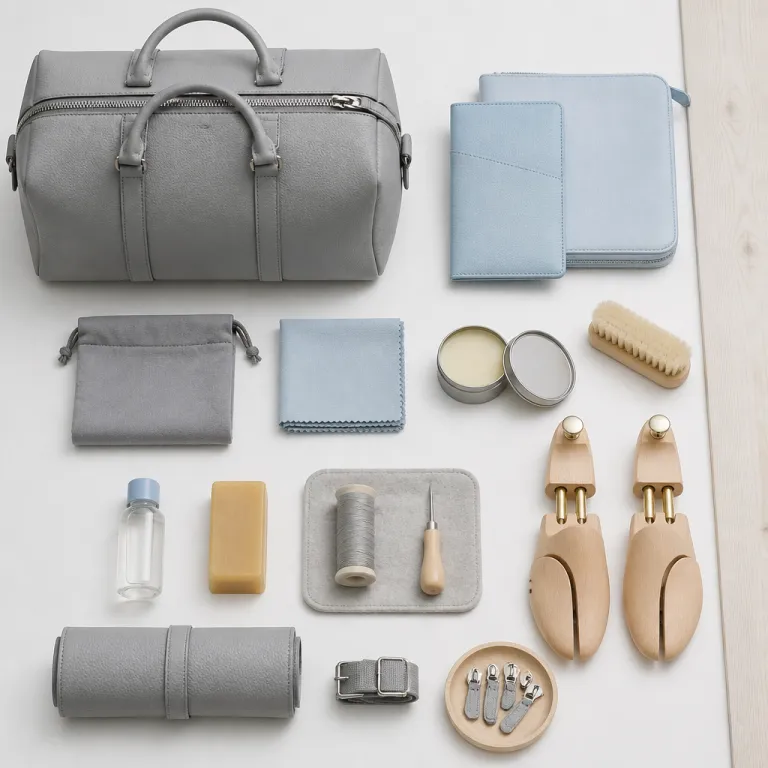
Weekend leather bags that stay composed in summer chaos
The core of your summer leather travel essentials is a weekend bag that respects airline rules yet still feels generous. Aim for a leather travel holdall around 40 litres, which will usually carry three days of clothing, a compact toiletry bag, and a slim pair of shoes without testing cabin limits. That size keeps the bag elegant in hand while still swallowing the inevitable extra socks, a light jacket, and the personal item you do not want crushed in the overhead bin.
For humid destinations, chrome tanned hides or hybrid tannages such as Horween Chromexcel handle sweat, brief rain, and overhead bin compression better than pure vegetable tanned leather. A full grain pebbled leather travel bag shrugs off scuffs from airport security trays and the sidewalls of a suitcase, while a smooth aniline finish will show every mark from a crowded flight. If you insist on vegetable tanned leather for its patina, treat it as a design travel choice and keep it away from beach salt, wet pool towels, and the floor of the aircraft.
Interior architecture matters as much as the exterior grain when you are traveling through hot hubs. Look for a structured base that keeps the bag upright, a padded sleeve that can carry a small laptop, and at least one zippered case style pocket for your passport and boarding pass. A good weekend set will also include a detachable shoulder strap with proper memory foam or dense padding, because a beautiful bag that bites into your shoulder during a long trip quickly stops feeling like the best companion.
Organisation inside the bag should echo the way you actually travel, not the way brands stage their campaign images. Two or three internal compartments are enough to separate clean shirts, rolled socks, and a compact travel kit without turning packing into a puzzle. If you like more structure, add soft packing cubes in breathable fabric, which protect your leather goods from hard plastic edges inside the suitcase and keep your summer travel essentials easy to reach during a short layover.
Think carefully about how the bag will move with you from taxi to terminal to hotel lobby. Dual carry options, with both top handles and a removable strap, let you shift the load when the queue for security stretches and your shoulder starts to complain. A discreet trolley sleeve that slides over your rolling luggage handle is worth more than any visible logo, because it turns a heavy leather travel bag into a balanced extension of your main suitcase during a long flight.
Crossbody wallets, passport covers and the quiet power of order
Summer airports reward the traveller who can reach a passport, card, and phone without unzipping half a bag. A slim crossbody travel wallet in supple leather, worn under a linen shirt or lightweight blazer, keeps your most important travel essentials close while leaving your hands free to carry a tote bag or guide a child. This separated system is calmer than a single oversized clutch, because each travel essential has a fixed place and you are never fishing for a boarding pass at the front of the queue.
Pair that wallet with a well cut passport holder and matching passport cover, both in a grain that will tolerate sunscreen on your fingers and the occasional splash from a water bottle. A passport holder with two or three card slots and a slip pocket for customs forms is usually enough, while anything bulkier starts to fight for space in a travel backpack or personal item. When you return from the trip, wipe these small leather goods with a barely damp cloth, let them dry naturally, then apply a light conditioner as outlined in this guide to maintaining your luxury leather accessories.
Luggage tags are the entry point to quality leather travel for many owners, and they deserve more thought than a free plastic loop from an airline. A robust luggage tag in full grain leather, stitched cleanly around a recessed window, protects your details while making your suitcase identifiable from several metres away on a crowded carousel. Matching the colour of your luggage tag to your main bag or travel backpack creates a quiet visual code that hotel porters recognise instantly when several similar pieces arrive at once.
Inside the cabin, a compact zip case for cables and small devices prevents your tote bag or backpack from becoming a tangle of chargers and adapters. Choose a case with a gusset that opens wide, so you can carry an eye mask, a slim sleep mask, and even a small travel pillow cover without crushing them. If you prefer a full travel kit, keep the exterior leather understated and let the interior organisation do the work, with elastic loops and pockets that hold each travel essential in place during turbulence.
For long haul flights, consider how these small pieces interact with your comfort routine. A soft leather sleeve around a memory foam travel pillow keeps the foam protected from cabin dust, while a narrow pouch for earplugs and an eye mask slips neatly into the seat back pocket. The goal is not to carry more items, but to curate a set of essentials travel pieces that you can deploy in seconds without rummaging through a deep bag in dim cabin light.
Luggage tags, toiletry bags and leather that tolerates heat
Heat, humidity, and salt are the real exam for summer leather travel essentials, and your choice of materials will decide how gracefully your pieces age. Chrome tanned leather, or mixed tannages with generous oils and waxes, generally cope better with tropical travel than pale vegetable tanned hides that can water spot and darken unevenly. When you are planning a beach trip with multiple hotel changes, reserve your most delicate leather goods for city breaks and bring the more forgiving pieces on the sand.
The humble toiletry bag, or dopp kit, is where this difference becomes obvious after a few seasons. A well lined leather toiletry bag in a mid tone grain will shrug off minor spills, while a light suede case will record every leak from a travel size sunscreen or water bottle. If you want a piece that will live in humid bathrooms and still look composed, study the construction details and favour designs with a wipeable interior, a wide opening, and seams kept away from the wettest zones.
Compression inside overhead bins is another quiet enemy of refined leather travel pieces. When a hard suitcase presses against a soft tote bag or backpack during boarding, unstructured panels can crease sharply and never fully recover. To avoid this, treat your leather carry on as you would a tailored jacket and follow a stuffing and wrapping technique similar to the one used when protecting the shape of a leather sofa at home.
Before each flight, fill the main compartment of your leather bag with soft items such as rolled T shirts, socks, or a folded sweater, then place harder objects in the centre so they do not press directly against the leather. Wrap shoulder straps and handles in a light scarf or cotton bag to prevent hardware from imprinting under compression, especially on smooth calfskin. This simple ritual takes minutes during packing but will keep the silhouette of your best travel bag crisp after many seasons of traveling.
Heat management continues when you leave the aircraft and step into strong sun. Never leave leather goods on a balcony table or in the rear window of a car, where temperatures can rise quickly and dry out the fibres. If you want to understand how oils and waxes help leather breathe rather than suffocate in these conditions, the technical breakdown in this article on conditioning without smothering the hide is worth reading before your next summer trip.
Packing, protection and the art of arriving uncreased
How you pack your summer leather travel essentials matters as much as which pieces you buy. Start with a clear hierarchy between your main suitcase, your cabin bag, and your personal item, then decide which leather goods must stay with you at all times. A structured travel backpack or compact tote bag usually works best as the personal item, because it can carry a laptop, a small travel kit, and your most valuable accessories without looking overstuffed.
Inside the suitcase, use soft packing cubes to create zones that protect leather from hard edges and spilled toiletries. One cube can hold clothing that will cushion a leather travel case or small bag, while another keeps socks and underwear away from your more refined pieces. Avoid placing leather goods directly against the walls of the suitcase, where they will absorb more impact when baggage handlers move your luggage between the aircraft and the carousel.
For the cabin, think about the rhythm of the flight and what you will actually reach for at altitude. Keep your passport holder, wallet, and phone in a single easy access pocket of your travel backpack, and place your eye mask, sleep mask, and any compact travel pillow near the top of the bag. A slim leather sleeve for a tablet or e reader can sit behind these items, protected from compression yet reachable without unpacking half the cabin set during a night flight.
Hydration and heat control are often overlooked when planning essentials travel gear for summer routes. Carry a lightweight water bottle in an exterior pocket of your tote bag or backpack, but avoid metal bottles that can dent and mark the leather if they shift suddenly. If you prefer to keep the bottle inside the bag, slip it into a neoprene or padded case so that condensation does not stain the lining or the nearby leather goods during a long trip.
Finally, accept that even the best leather travel pieces will pick up marks and stories over time, especially when traveling through hot, crowded airports. The goal is not to keep them pristine, but to manage wear so that patina develops evenly rather than through random damage. When you land, take five minutes in the hotel room to empty each bag, reshape it gently with your hands, and let it rest away from direct air conditioning before your next day of travel.
FAQ
Which type of leather is best for summer beach travel
For beach focused travel, chrome tanned or combination tanned leathers usually perform better than pale vegetable tanned hides. They resist water spotting, handle brief exposure to salt and humidity more calmly, and recover more easily from overhead bin compression. Reserve your most delicate vegetable tanned leather goods for city trips with less exposure to sand, salt, and intense sun.
How should I protect my leather bag during flights
Before a flight, stuff the bag with soft clothing to support its panels and prevent sharp creases under pressure. Keep it under the seat in front of you when possible, rather than in an overfilled overhead bin where hard suitcases can deform the leather. After landing, unpack it promptly, reshape it by hand, and let it rest away from direct heat or strong air conditioning.
Are leather toiletry bags practical in humid hotel bathrooms
A well constructed leather toiletry bag with a wipeable lining is very practical in humid bathrooms. Choose mid tone grains that hide minor water marks, and avoid suede or unfinished leathers that absorb moisture and show stains. Always place the bag on a dry surface and leave it open briefly after use so that any residual humidity can escape.
How many leather pieces should I carry on a short summer trip
For a three day summer trip, most travellers do well with one main leather bag, one small wallet or passport holder, and a compact toiletry bag. This combination covers transport, documents, and grooming without overloading your luggage. Additional pieces such as a travel kit or leather case for electronics are optional and should only be added if they serve a clear purpose.
Can I clean sunscreen stains from my leather goods
Fresh sunscreen stains on finished leather can sometimes be reduced with a soft cloth slightly dampened with lukewarm water, followed by gentle drying at room temperature. For more stubborn marks, a specialist leather cleaner designed for finished leather may help, but always test on a hidden area first. If the leather is very light or unfinished, consult a professional cleaner rather than experimenting with household products.