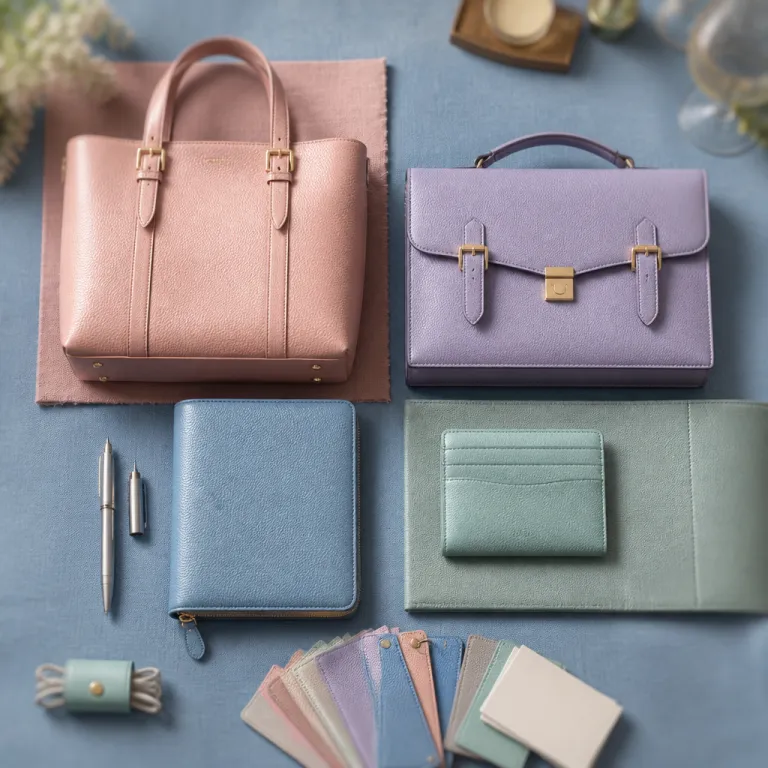
Structured work bag: the new architecture of authority
September resets the calendar and your leather kit together. As professional leather accessories for fall step away from softness, the mood now favors an architectural work bag that holds its line from commute to late dinner. This is where leather, structure, and proportion quietly state your rank.
The dominant bag trend in business circles moves from slouch to frame, and the best examples use full grain leather with a reinforced base and stitched handles rather than low quality glued constructions. When you read recent runway coverage, from Prada tailoring in the Fall/Winter 2024 show to more discreet Miu Miu office looks styled with compact top handle bags, you see the same message repeated in different bags and goods. The silhouette will matter more than the logo, because a structured bag in dark chocolate or navy leather signals seniority before anyone checks the brand.
For a Monday to Friday rotation, think in a briefcase to structured backpack spectrum rather than one heroic bag that must hold everything. A slim framed briefcase suits boardroom days, while a compact, squared backpack in firm leather works for hands free commuting when you need to tuck your arm through a coat or carry extra documents. Owning two or three such bags and rotating them prevents premature wear on corners and handles, which is the most common repair request I review each fall when clients bring in work bags for stitching and edge restoration.
Inside, insist that the bag will manage your tools with calm order rather than chaos. A dedicated pocket for a leather credit card case, a padded sleeve for a laptop, and a zipped section for keys or a small leather clutch keep the interior from becoming a catch all. When you shop, test how the bag feels when you tuck your arm under the handle and walk, because a structured profile that looks sharp on a shelf can feel awkward in motion if the drop is wrong or the handle attachment digs into your palm.
Slim document portfolio: the quiet power move
Once the main bag is chosen, the second pillar of professional leather goods for fall is a slim document portfolio that travels between meetings. In the broader fall leather workwear landscape, this portfolio replaces the overstuffed folder and becomes a visible signal of how you handle detail. Think of it as the leather equivalent of a well edited presentation deck.
A good portfolio in firm leather should hold a tablet, a notepad, and at least one card case without bulging. The best designs integrate a discreet slot for a primary credit card and a secondary leather credit card sleeve, so you can step into a client lunch with only the portfolio in hand. When you review options in store, open every flap and read the layout like a floor plan, checking whether the internal pockets match your daily goods or simply add decorative seams that waste space.
History shows that the portfolio has long been a bridge between fashion and function, from mid century saddle stitched folios carried by editors at Condé Nast to the sleek black leather document cases that appeared in Vogue editorials through the 1990s. That lineage still matters, which is why a black structured portfolio pairs so well with a modern saddle bag in black leather on less formal days. The current bag trend in portfolios favors magnetic closures that stay shut in transit, and you should test that they will not spring open when you tuck your arm around them in a crowded elevator or slide them into an overhead bin.
For those who rotate between home office and headquarters, a portfolio in cognac leather offers a warmer counterpoint to a navy or black work bag. It also ages beautifully, developing a patina that tells a subtle story of meetings, flights, and late night edits you would rather not relive. Choose one that slides easily into all your bags, because the portfolio only earns its place when it moves with you every day rather than staying on a shelf after the first week of shopping enthusiasm.
The considered belt: a small line that carries long history
The third piece in a September leather lineup is the belt, which often receives less attention than the bag but frames every outfit. In the context of professional leather accessories for fall, a considered belt in full grain leather can quietly align your entire look with the current shift toward structure and restraint. Think of it as a horizontal line that echoes the architectural profile of your bag.
Fashion history shows that belts have moved from purely functional straps to deliberate style signals, and the timeline runs from early equestrian gear to the sleek dress belts seen in classic film costumes that shaped luxury leather fashion. That evolution is worth a deeper read on how iconic film wardrobes influenced leather, because it explains why a simple dark belt still feels authoritative. When you shop, prioritize a single row of stitching, a solid metal buckle, and leather that feels dense rather than low grade and spongy under your fingers, ideally from a reputable tannery known for vegetable tanned hides.
Match the belt to your primary work bag in tone rather than chasing every seasonal bag trend that appears on a runway. A dark chocolate belt pairs elegantly with a briefcase in similar leather, while a deep navy belt works with both black and blue tailoring and will outlast louder trends. If you own several belts, rotate them through the week just as you rotate bags, because concentrated wear in the same notch is what eventually creases and cracks even the best leather and leads to stretching around the buckle.
For those who favor brands like Prada or Miu Miu, resist the urge to let logos dominate the belt and instead let the grain and edge finishing speak. A clean belt also gives more room for a leather clutch or wallet to carry subtle character, whether you choose a smooth finish or a lightly grained surface. Over time, the belt becomes a record of your professional path, and a well chosen one will still feel right when current trends have moved on and silhouettes shift again.
The desk anchor: wallets, clutches, and key pieces that stay
The final element in this September leather lineup is the desk piece, the item that rarely leaves your office yet shapes how you interact with your tools all day. Within professional leather accessories for fall, this might be a refined wallet, a compact leather clutch that holds cables and pens, or a leather tray that receives your card case and keys. The current mood in professional leather goods favors a single, beautifully made object that calms visual noise.
A slim wallet that lives on your desk can hold business cards, a primary credit card, and a separate leather credit card sleeve for travel expenses, keeping your main pocket wallet lighter. Some professionals now use a dedicated card case for corporate access cards and building passes, which reduces the daily search through bags and goods when security lines form. When you review options, read the internal layout carefully and check that the leather feels robust enough to withstand constant handling without stretching or softening at the edges.
Many owners also keep a small leather clutch on the desk, a piece that can be slipped into a bag for quick off site meetings. This kind of leather clutch often holds a phone, a notebook, and one or two cards, and it should slide easily under your tuck arm when you move between conference rooms. For a deeper dive into how smaller accessories like key fobs and trays shape daily rituals, a detailed guide to refined leather key fobs as daily companions shows how even minor goods can influence your sense of order and signal discretion.
On the history and origins side, the evolution of desk leather from heavy blotters to minimal trays mirrors the broader shift toward lighter, more flexible workspaces. Where earlier decades favored large, imposing goods, current trends lean toward compact pieces that still hold their shape and purpose. Rotate these desk accessories seasonally just as you rotate bags, editing what will stay in sight so that every leather object earns its place through daily use rather than sentiment alone.
Rotating bags and small goods through the workweek
Once the four pillars are in place, the question becomes how to rotate them intelligently through a demanding week. A thoughtful rotation of professional leather accessories for fall protects your investment and keeps the broader fall leather workwear aesthetic fresh rather than repetitive. The aim is simple, to let each leather piece rest between heavy days of use.
One effective pattern is to assign a primary structured bag for Monday and Thursday, a secondary bag or structured backpack for Tuesday and Wednesday, and a lighter setup with a portfolio and leather clutch on Friday. This schedule spreads wear across handles, corners, and bases, which is why restoration ateliers often review usage habits before recommending repairs and conditioning routines. Smaller goods such as the wallet, card case, and leather credit card holder can also be alternated, especially if one carries most of your credit card and identification load.
When you shop for new pieces, think in systems rather than isolated purchases, because the best collections work together across seasons and trends. A navy briefcase, a cognac portfolio, a dark belt, and a black desk wallet will cover almost any dress code without feeling repetitive. As fashion media from Vogue runway reports to specialist leather review platforms keep reminding readers, the most enduring bag trend is not the latest runway shape but the well edited set of bags and goods you reach for every day.
September offers a natural moment to audit what will stay, what needs repair, and what should be retired. Lay out every bag, clutch, wallet, and card case on a table and read them as a timeline of your professional life, noting which leather pieces still hold their structure and which have slipped into low utility. From there, refine the lineup so that each accessory earns its place in the coming work year, supporting not just your style but the way you move through every meeting, commute, and late night session.
FAQ
How many work bags should a professional rotate during a typical week ?
For most professionals, two or three work bags are enough to create a balanced rotation. Using one structured bag for heavier days, a lighter option or backpack for commute intensive days, and a portfolio plus small clutch for casual Fridays spreads wear across handles and corners. This approach extends the life of each leather piece while keeping your look varied and intentional.
What leather types age best for daily professional use ?
Full grain leather from reputable tanneries ages best under daily stress, because the intact grain resists abrasion and develops a rich patina rather than surface cracking. Corrected grain and low cost split leathers may look smooth at first but tend to show wear quickly at stress points like bag corners and belt holes. For work accessories, choosing full grain in muted tones such as cognac, navy, or dark brown offers the best balance of durability and discretion.
How can I tell if a work bag is well constructed ?
Examine the stitching first, looking for even, tight stitches and avoiding bags where handles are only glued rather than stitched into the body. Check that the base is reinforced, that metal feet are firmly attached, and that magnetic or zip closures stay shut when the bag is gently shaken. A well constructed bag will feel balanced in hand, with handles that do not twist or pull away when you load a laptop and documents.
Should my belt always match my shoes and bag ?
Exact matching is less critical today than overall harmony, especially in modern business settings. A dark brown or navy belt can work with several shades of shoes and multiple bags as long as the overall tone and finish feel coherent. Prioritizing quality leather and clean finishing over perfect color matching usually results in a more relaxed yet still polished look.
How do I care for professional leather accessories during the fall season ?
During wetter months, regular brushing and light conditioning keep leather supple and prevent salt or water marks from setting. Allow wet bags or belts to dry naturally away from direct heat, then apply a neutral cream to restore oils. Storing pieces in breathable dust bags with some space between them helps maintain shape and prevents color transfer when humidity rises.