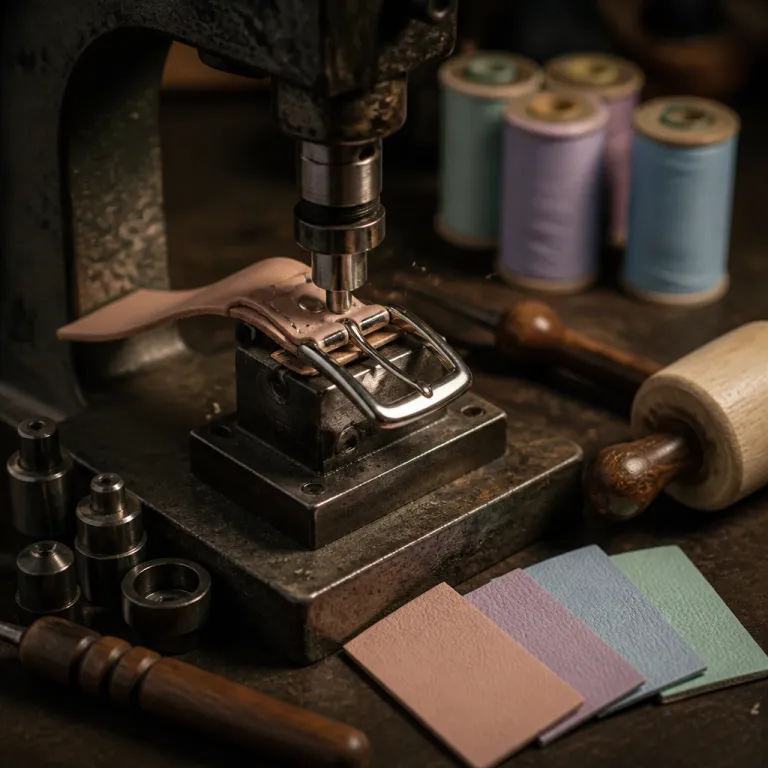
Why stainless steel belt buckles matter more than you think
A luxury leather belt lives or dies by its buckle. When you choose stainless steel belt buckles for a leather belt, you are deciding how the product will age, patinate, and perform under daily stress. The right belt buckle in stainless steel quietly protects your full-grain leather investment while the wrong buckles can scar, stain, or even stretch the belt holes.
Owners often focus on the leather and ignore the steel belt hardware that actually carries the load. A heavy duty buckle in properly finished stainless steel resists corrosion, protects against sweat and humidity, and keeps the belt aligned on the waist with minimal torsion. By contrast, low grade steel buckles or poorly plated silver tone hardware can chip, expose base metals, and transfer nickel onto the leather and your skin.
In the luxury segment, the price difference between a solid stainless steel belt buckle and a generic alloy buckle is usually a few usd, not a multiple. Yet that small regular price premium dramatically extends the life of both the leather belt and the buckle stainless surface finish. When you evaluate belts, always weigh the apparent sale price against the long term cost of replacing buckles and repairing leather damage.

Reading the hardware: how a buckle reveals true craftsmanship
On a refined leather belt, the buckle is the most handled component. Every time you fasten the belt, the single prong slides through full-grain leather, the frame bears tension, and the tongue presses into the belt holes. This repetitive motion is where stainless steel belt buckles outperform lighter buckles made from soft brass or thin plated alloys.
Examine the junction where the steel buckle meets the strap and you will see whether the maker respects hardware integration. A well designed belt buckle in stainless steel will sit flush, with no sharp edges to cut the leather and no play between the buckle regular bar and the strap loop. The best buckles distribute pressure evenly, so the belt ages with a gentle curve rather than creases and cracks near the buckle.
When you assess a product in store, treat the buckle as your primary quality test rather than the logo. A heavy, solid stainless steel frame, a smooth roller buckle or steel roller, and a cleanly finished single prong indicate that the atelier understands long term wear. For a deeper dive into how buckles, clasps, and zippers signal quality beyond the leather itself, see this detailed hardware test guide on how hardware reveals more than the leather.
Material choices: stainless steel, solid brass, nickel and silver finishes
Luxury owners usually compare stainless steel belt buckles with solid brass buckles and various silver toned finishes. Stainless steel offers outstanding corrosion resistance, a stable color, and a reassuringly heavy feel that suits both formal belts and more heavy duty casual belts. Solid brass buckles bring a warmer tone and can be polished to a bright gold like shine or left to develop a vintage patina.
Many belt buckle designs combine brass or steel with surface finishes such as antique silver, bright silver, or matte gunmetal. An antique silver finish on a steel buckle can soften the visual impact and pair beautifully with black full-grain leather or dark brown leather belt styles. Silver finishes on buckles should be checked for even plating, because thin layers can wear quickly on the roller or single prong where friction is highest.
Nickel content is another critical factor, especially for owners with sensitive skin who require nickel free hardware. Some brands now use nickel smart certified alloys or pure stainless steel to reduce allergic reactions while maintaining a refined silver tone. When comparing regular price and sale price offers, always confirm whether the buckles are nickel free or only nickel reduced, because this detail affects both comfort and long term value.
Design details: rollers, prongs and the balance of weight
The architecture of stainless steel belt buckles determines how gracefully your belt behaves in daily use. A roller buckle uses a moving steel roller at the front bar, allowing the belt strap to glide smoothly as you tighten it. This reduces friction on the full-grain leather surface and prevents the heavy duty frame from digging into the strap.
Single prong designs remain the most common choice for dress belts and many casual belts. A well executed single prong in stainless steel or solid brass should be thick enough to feel solid yet shaped to pass through the belt holes without stretching them. When the prong is too thin, it can deform under tension, while an overly heavy prong can leave permanent marks on the leather belt.
Weight distribution matters as much as absolute weight in luxury buckles. A heavy buckle stainless frame that is balanced across the belt width will feel secure rather than cumbersome, even on a slim steel belt profile. For owners who appreciate how hardware transforms even utilitarian pieces, a case study in elevated metalwork on everyday items appears in this analysis of when a black leather dog collar becomes true luxury hardware.
Pricing, value and the hidden cost of poor buckles
When you evaluate the price of a luxury belt, isolate the cost of the buckle from the rest of the product. A high quality stainless steel belt buckle often represents a modest share of the total usd amount, yet it carries the mechanical burden of the entire belt. Choosing belts with robust steel buckle construction is a rational way to protect the more expensive full-grain leather strap.
Retailers sometimes use lower grade buckles to hit an attractive sale price while advertising a higher regular price for perceived value. This strategy can leave you with buckles that pit, chip, or corrode, forcing premature replacement of the entire belt. By contrast, a belt buckle in solid stainless steel or solid brass with an antique silver or polished silver finish will usually outlast the leather itself.
Online, pay close attention to how brands describe their buckles and their shipping policies. Clear mentions of stainless steel, solid brass, nickel free or nickel smart alloys, and heavy duty construction are positive signals, especially when paired with transparent usd pricing and free shipping options. For collectors managing a focused wardrobe of belts and bags, this perspective aligns with the philosophy explained in the guide on owning fewer but better leather pieces.
Care, maintenance and long term performance of luxury buckles
Even the best stainless steel belt buckles benefit from thoughtful maintenance. Wipe the buckle and the adjacent leather with a soft cloth after heavy wear, especially in humid climates or after exposure to sweat. This simple habit prevents residue from building up around the roller, the single prong, and the buckle regular bar.
For stainless steel and silver toned buckles, use a non abrasive metal polish sparingly, keeping it away from the full-grain leather. Solid brass buckles can be polished to restore shine or left to age into a vintage tone, but you should protect the leather belt with masking tape when polishing. Antique silver finishes require gentler care, because aggressive polishing can remove the darker accents that give the buckle its depth.
Storage also influences how your buckles age over time. Hang belts vertically so the heavy buckle stainless frame does not create a permanent bend in the strap, and avoid stacking multiple belts where steel belt edges can rub against each other. When traveling, wrap buckles in a soft pouch to prevent steel roller parts or sharp corners from scratching neighboring buckles or delicate leather surfaces.
Key figures on stainless steel belt buckles in luxury leather goods
- Industry reports from major accessories groups consistently highlight stainless steel as the dominant metal hardware in premium belts, largely because of its superior corrosion resistance compared with untreated brass and low cost plated alloys.
- Dermatology research in Europe indicates that nickel sensitivity is one of the most common contact allergies, which explains the growing demand for nickel free and nickel smart certified buckles in the luxury segment.
- Standardized salt spray tests, such as those based on ASTM B117 procedures, show that high grade stainless steel significantly outperforms many inexpensive plated alloys in accelerated corrosion testing.
- Internal quality audits at established leather houses frequently attribute a majority of belt returns to hardware issues rather than leather defects, underlining how critical buckle selection is for long term customer satisfaction.
FAQ: stainless steel belt buckles and luxury leather belts
Are stainless steel belt buckles better than solid brass for luxury belts ?
Stainless steel belt buckles offer superior corrosion resistance and color stability, which is ideal for humid climates or frequent wear. Solid brass buckles provide a warmer tone and can develop a vintage patina that some collectors love. The best choice depends on whether you prioritize low maintenance performance or evolving character in your belt hardware.
How can I tell if a buckle is truly nickel free ?
Look for explicit labeling such as nickel free or nickel smart certification rather than vague mentions of hypoallergenic metal. Reputable brands will specify the alloy used, often highlighting stainless steel or tested brass compositions. If you are highly sensitive, ask customer service for documentation or testing standards before purchasing the belt.
Does buckle weight really matter on a luxury leather belt ?
Yes, buckle weight influences both comfort and how the full-grain leather ages. A heavy duty buckle that is well balanced across the belt width feels secure without dragging the belt downward. Extremely light buckles can feel insubstantial, while overly heavy buckles may distort the belt if stored flat or hung improperly.
How should I maintain the finish on antique silver or vintage style buckles ?
Antique silver and vintage style finishes are designed to show depth and subtle variation, so avoid aggressive polishing. Use a soft dry cloth to remove fingerprints and only occasional gentle metal cleaner if absolutely necessary, keeping it away from the leather. Over polishing can strip the darker accents that give these buckles their character.
Is paying a higher regular price for premium hardware really worth it ?
Paying a modest premium over a discounted sale price is usually justified when the belt buckle is made from solid stainless steel or solid brass with quality finishing. Better hardware reduces the risk of corrosion, flaking, and mechanical failure, which in turn protects the leather strap. Over the lifespan of a luxury belt, this often results in a lower total cost of ownership and a more satisfying wearing experience.
