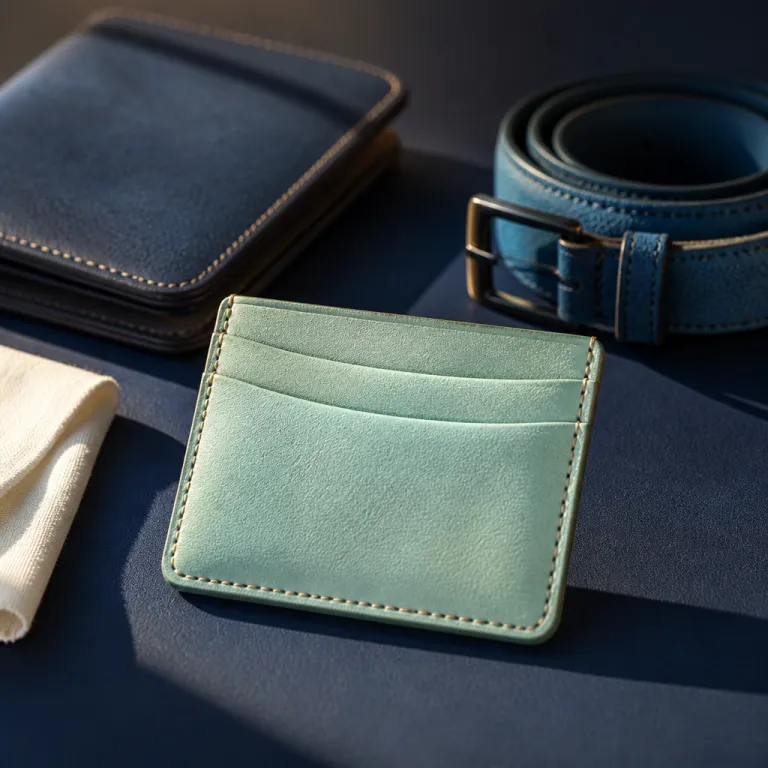
Why vegetable tanned leather types like Buttero and Pueblo matter
For a seasoned owner of luxury leather goods, the phrase vegetable tanned leather types Buttero Pueblo signals a very specific material universe. Within that universe, the difference between one leather vegetable recipe and another is as marked as the gap between a light Burgundy and a dense Barolo in wine, because each tannery and each hide shape the final grain leather character in its own way. When you choose between Buttero leather, Pueblo leather, Minerva Box or Dollaro, you are really choosing how your leather goods will feel in the hand, how the surface will age over time, and how the patina will narrate your daily use.
Vegetable tanned leathers are produced through a slow vegetable tanning process that uses bark, leaves and other natural tannins instead of the chromium salts used in chrome tanned or chrome tanning methods. This traditional tanning process leaves the leather natural in tone and structure, so the full grain remains visible and the grain vegetable pattern is not masked by heavy pigments or plastic finishes. Because the fibres of tanned leather stay dense and responsive, veg tan hides such as Buttero and Pueblo can be burnished, moulded and polished in ways that chrome tanned leathers rarely allow, which is why connoisseurs gravitate to them for small leather goods and refined daily carry pieces.
Within this family, the most respected vegetable tanned leather types Buttero Pueblo come from a handful of Tuscan tanneries that have refined their tanning over generations. Conceria Walpier is renowned for its Buttero leather, a full grain, full thickness veg tan cut most often from the double shoulder of the hide, while Badalassi Carlo has become synonymous with Pueblo leather and Minerva Box, each with its own distinctive texture and surface treatment. When you understand how each tannery manipulates time, tan concentration and finishing, you can read a panel of leather as clearly as a watch collector reads a movement, and you start to ask sharper questions of any maker who simply writes "vegetable tanned" on a product page.
Buttero from Conceria Walpier: dense, waxy and architectural
Buttero from Conceria Walpier is the archetypal Italian veg tan for structured leather goods, and it sits at the heart of any serious guide to vegetable tanned leather types Buttero Pueblo. This leather natural profile is defined by a dense fibre structure, a smooth grain leather surface and a subtle wax content that creates a controlled pull up effect when the panel is flexed. In practice, that means a Buttero leather wallet or belt feels almost architectural at first, then softens over time without ever losing its full grain integrity or its sharply cut edges.
Most Buttero leathers are cut from the double shoulder of the hide, which gives a consistent thickness and a relatively flat grain vegetable pattern that takes edge paint and creasing beautifully. The vegetable tanning used here is long and deliberate, so the tanned leathers emerge with a firm temper that makers prize for small goods, straps and minimalist cases that must hold their shape. Because the tanning process leaves the pores open, the surface accepts waxes and oils readily, which accelerates patina development and allows you to tune the final tan shade with your care routine over time.
Owners often notice that a Buttero leather card holder or strap shows micro scratches early, especially in lighter tan colours, yet those marks blend quickly as the patina deepens and the texture gains a quiet sheen. That is the trade off of a relatively naked vegetable tanned finish compared with a more sealed chrome tanned alternative, and it is precisely why Buttero rewards regular handling rather than cautious storage. If you enjoy the way a well worn shell cordovan shoe rolls and gleams, you will likely appreciate how Buttero evolves in parallel, even though the grain and fibre structure of shell cordovan are entirely different from this full grain veg tan shoulder.
For owners who like to accessorise, Buttero works particularly well in small accents that see constant touch, such as a leather tassel bag charm or key fob that quietly elevates a daily carry bag ; the material’s density keeps such goods crisp while the patina tells your story. When you evaluate a Buttero piece, ask the maker which tannery supplied the hide, what weight they chose for the panel, and how they finished the edges, because those three answers will tell you whether they truly understand this leather or are simply following a trend. In a market where "vegetable tanned" is often used as a marketing label, Conceria Walpier Buttero remains a benchmark that rewards informed, tactile ownership.
Pueblo and Minerva Box from Badalassi Carlo: tactility, matte depth and quick break in
If Buttero is the crisp white shirt of vegetable tanned leather types Buttero Pueblo, then Pueblo leather from Badalassi Carlo is the textured linen that looks relaxed yet intentional from day one. Badalassi Carlo uses a distinctive vegetable tanning recipe and a specific mechanical treatment to raise the grain leather surface, creating a suede like feel while keeping the structure of full grain intact. The result is a veg tan shoulder that arrives with a chalky, matte texture and then polishes itself through use, as your hands and pockets gradually burnish the panel over time.
On Pueblo leathers, the initial tan shade often appears slightly muted because the roughened surface scatters light, but as the patina develops the colour deepens and the texture smooths, revealing a more saturated tone. This is especially evident on small leather goods such as envelope wallets, passport covers and notebook covers, where constant friction against fabric and fingers gradually compresses the grain vegetable peaks. A Pueblo leather wallet can look almost like nubuck when new, then after a year of daily carry it can resemble a softly waxed full grain, which makes it a compelling choice for owners who enjoy visible transformation.
Minerva Box, also from Badalassi Carlo, shares the same vegetable tanned backbone but offers a very different surface story, with a natural pebbled grain that comes from the tanning process rather than an artificial emboss. Compared with Pueblo leather, Minerva Box feels softer in the hand, breaks in faster and hides small scuffs more easily, which makes it ideal for bags, journals and larger goods that need to drape rather than stand rigid. If you are considering a refined yet relaxed piece such as a leather envelope wallet for daily use, Minerva Box offers a more forgiving texture than Buttero while still delivering the depth and character that define high quality tanned leathers.
Owners who already rotate between Buttero leather and Pueblo leather often find that Minerva Box fills the gap for pieces that must flex and fold repeatedly without looking tired. Because all three are vegetable tanned, they share the same underlying respect for leather natural character, yet each responds differently to time, light and handling. When you speak with a maker about a commission, ask whether they can show you a panel of each leather after a year of wear, not just a fresh swatch, as that comparison will tell you more about real world performance than any catalogue description or studio photograph.
For a deeper dive into how such materials translate into refined everyday carry, you can look at a detailed exploration of the refined appeal of a leather envelope wallet for discerning owners, which illustrates how grain, patina and structure intersect in practice. That kind of focused case study helps you connect the abstract language of tanning and texture with the lived experience of sliding a wallet into your pocket every morning. In the end, Badalassi Carlo’s Pueblo and Minerva Box prove that within the broad label of vegetable tanned, there is a spectrum of tactility and behaviour that rewards close attention.
Dollaro, chrome tanned contrasts and the role of shell cordovan
Not every owner wants the full exposure of a naked veg tan surface, which is where Dollaro and selected chrome tanned leathers enter the conversation as pragmatic foils to the more romantic vegetable tanned leather types Buttero Pueblo. Dollaro is typically a full grain or near full grain leather with an embossed grain leather pattern that adds both visual interest and scratch resistance, making it a practical choice for daily carry bags, wallets and accessories that see hard use. While some Dollaro leathers are vegetable tanned, many are chrome tanned or use a mixed tanning process, which gives a slightly more forgiving temper and a more stable colour over time.
Compared with a Buttero leather panel, a Dollaro shoulder will usually show less dramatic patina, because the embossed texture and more sealed finish diffuse small marks and slow down oxidation. That can be an advantage if you prefer your leather goods to age discreetly rather than theatrically, especially in professional settings where a heavily aged tan briefcase might feel out of place. Chrome tanning also allows tanneries to produce leathers in a wider range of saturated colours, so if you want a deep navy or a very specific green that stays consistent, a high quality chrome tanned Dollaro can be a rational choice.
Shell cordovan sits slightly outside this veg versus chrome debate, yet it is worth mentioning because many collectors who appreciate vegetable tanning also collect shell. Unlike grain vegetable leathers, shell cordovan is cut from a dense membrane in the horse rump, which gives it a unique, glassy surface and a rolling, wave like crease pattern rather than the fine lines seen on full grain cowhide. In practice, that means a shell cordovan wallet or strap will develop a mirror like patina with minimal texture change, while a Pueblo leather or Buttero leather equivalent will show more variation in both colour and surface over time.
For owners building a coherent rotation, it can be useful to think of shell cordovan as the formal, high gloss option, Buttero as the structured everyday workhorse, Pueblo as the character piece and Dollaro as the resilient daily driver. Each material responds differently to light, moisture and friction, so diversifying across tanned leathers gives you both aesthetic variety and functional redundancy. When you evaluate a new piece, ask explicitly whether the leather is vegetable tanned, chrome tanned or a combination, and request the name of the tannery, because those details reveal far more about likely ageing than any marketing phrase about "premium leather".
For a sense of how these materials can be orchestrated across a small collection, consider reading a curated overview of a September leather lineup that shows how four carefully chosen pieces can set the tone for a new work year. Such an editorial perspective helps you see how different textures, patina behaviours and tanning methods can complement each other in a real wardrobe. In the end, the goal is not to chase every new leather but to understand which specific tanned leather types align with your habits, climate and tolerance for visible wear.
Tanning evolution, time and the questions every owner should ask
The evolution from traditional pit based vegetable tanning to more accelerated drum based methods has reshaped how vegetable tanned leather types Buttero Pueblo behave, and as an owner you feel that shift in your hand. Longer time in the tanning pits allows tannins to penetrate more deeply into the shoulder and full grain layers, producing leathers with greater density, better fibre cohesion and a more nuanced response to flex and compression. Shorter tanning cycles, even when they still use vegetable extracts, can yield tanned leathers that break in faster but may not develop the same depth of patina or the same long term resilience in high stress areas such as strap holes and folded panels.
In practical terms, a Buttero leather strap from Conceria Walpier that has spent many weeks in vegetable tanning liquor will feel firmer at first yet will hold its punched holes cleanly for years, while a faster tanned alternative might stretch more quickly under the same load. Similarly, a Pueblo leather wallet from Badalassi Carlo reflects not only the brand’s signature surface treatment but also its commitment to a slower tanning process that leaves the leather natural in its core, so the colour change you see over time is not just a surface phenomenon. When you compare such pieces with a chrome tanned equivalent, you will notice that the veg tan examples darken and enrich, whereas the chrome tanned goods tend to maintain their original shade while showing more abrupt creasing.
As a discerning owner, you should feel comfortable asking three direct questions whenever you commission or purchase a piece made from any leather vegetable material. First, which tannery produced this leather, and is it Conceria Walpier, Badalassi Carlo or another named house with a traceable reputation for grain leather quality and environmental standards. Second, what part of the hide was used — double shoulder, side or bend — because that choice affects both the visible grain and the way the panel will respond to stress over time.
Third, how was the surface finished, and is the leather natural enough to show its full grain or has it been corrected, pigmented or embossed to hide imperfections. Those three answers will tell you whether the phrase "vegetable tanned" on the tag reflects a thoughtful material choice or a vague marketing gesture, and they will help you predict how your leather goods will age in your specific lifestyle. When you combine that information with your own tactile preferences for texture, patina speed and structure, you can curate a collection of tanned leather pieces that feel coherent, intentional and deeply personal.
FAQ
How do Buttero and Pueblo differ in daily use on small leather goods ?
Buttero leather from Conceria Walpier starts firmer and smoother, with a dense full grain surface that shows crisp edges and a relatively fast developing sheen, while Pueblo leather from Badalassi Carlo arrives with a roughened, matte texture that gradually polishes through handling. In daily use, Buttero tends to show sharper creases and more defined colour shift, whereas Pueblo hides small scratches better but reveals a more dramatic transformation from chalky to glossy over time. For card holders and slim wallets, choose Buttero if you prefer structure and Pueblo if you value tactility and visible patina.
Is vegetable tanned leather always better than chrome tanned leather for luxury pieces ?
Vegetable tanned leathers such as Buttero, Pueblo and Minerva Box offer richer patina, more characterful grain and a stronger sense of material authenticity, which many luxury owners prize. Chrome tanned leathers, including some Dollaro variants, provide better colour stability, quicker break in and higher resistance to water spotting, which can be advantageous for travel bags or pieces exposed to unpredictable weather. The better choice depends on your priorities ; if you value ageing and texture above all, choose veg tan, but if you need consistency and low maintenance, a high quality chrome tanned leather can be more appropriate.
How should I care for vegetable tanned leathers like Buttero and Pueblo ?
Care for these leathers with restraint, focusing on gentle cleaning, occasional conditioning and protection from extreme moisture rather than frequent heavy product use. Wipe the surface with a soft, slightly damp cloth when needed, allow it to dry naturally, then apply a thin layer of a neutral, wax rich conditioner designed for full grain veg tan, avoiding silicone heavy products. Over conditioning can mute the texture and accelerate darkening, so it is better to condition lightly once or twice a year and let time, handling and natural oils from your hands do most of the work.
Why do some vegetable tanned leathers darken so quickly while others stay lighter ?
Darkening speed depends on the original tan shade, the specific vegetable tanning recipe, the amount of surface finish and your exposure to light, heat and oils. A pale, lightly finished veg tan shoulder will absorb UV and skin oils rapidly, leading to a fast developing honey patina, while a darker, more heavily finished panel will show a slower, more subtle shift. Buttero and Pueblo in lighter colours will always darken more noticeably than the same leathers in deep browns or blacks, so choose your starting colour with your desired end state in mind.
What should I ask a maker before commissioning a custom piece in Buttero or Pueblo ?
Ask which tannery supplied the leather, what weight and part of the hide they will use, and how they plan to finish the edges and interior surfaces. Clarify whether the leather is fully vegetable tanned or uses any chrome tanning steps, and request to see both fresh and worn examples of the same material if possible. These questions reveal the maker’s understanding of the material and help ensure that the final piece aligns with your expectations for structure, patina and long term durability.