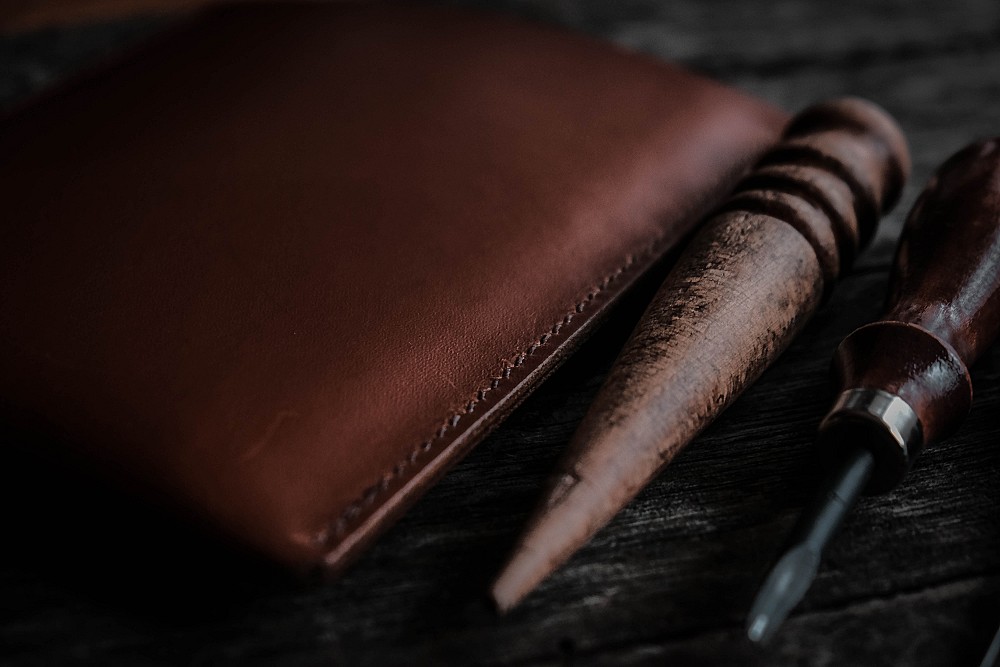
The quiet luxury of a leather envelope wallet in daily life
A leather envelope wallet speaks softly yet confidently in a world of noise. Its slim envelope profile slips into a tailored jacket while still holding money, credit card essentials, and a refined card holder without disturbing the line of your suit. Owners who appreciate genuine leather quickly sense how a well made leather envelope wallet becomes an extension of their personal ritual.
When you choose a wallet, the first tactile impression is the grain under your fingertips. Full grain leather or carefully selected grain leather elevates even a mini envelope format, turning a simple wallet envelope into a discreet statement of taste and restraint. The same piece, in rich brown or deep black, can be unisex and timeless, especially when the envelope wallet design is balanced and the price product reflects craftsmanship rather than marketing.
Many luxury clients now expect wallet RFID protection without sacrificing elegance. A wallet RFID lining with subtle rfid blocking fabric can shield each credit card while preserving the slim envelope silhouette and the pleasure of handling soft grain leather. When rfid blocking is integrated intelligently, the card wallet remains light, the multiple slots stay accessible, and the overall holder layout still feels intuitive for cash envelope use and quick card selection.
For those who travel frequently, a mini envelope wallet with rfid blocking becomes a practical companion. It keeps money flat, separates each card holder section, and avoids the bulk of traditional wallets while still offering multiple slots for receipts and boarding passes. In this context, the regular price of a high quality leather envelope is justified by durability, tactile comfort, and the ability to save time at every security checkpoint.
Evaluating grain, structure, and price in a leather envelope wallet
Understanding grain is essential when assessing the price of any leather envelope wallet. Full grain leather retains the natural surface, so each envelope wallet carries subtle variations that signal authenticity and justify a higher regular price for demanding owners. By contrast, corrected grain leather can still look refined, but the price product should reflect the additional finishing and slightly lower long term resilience.
When you handle a wallet, press gently along the envelope edges and spine. A well constructed leather envelope will flex without creasing sharply, and the grain leather should show a soft bloom rather than a plastic sheen that often appears on lower quality wallet envelope designs. This structural integrity matters more than a temporary sale price because it determines how the wallet rfid lining, multiple slots, and card holder compartments will age under daily pressure.
For many clients, rfid blocking technology has become a non negotiable feature. A wallet RFID system should be discreet, adding protection without turning a slim mini envelope into a stiff card wallet that feels awkward in hand or pocket. When evaluating blocking unisex models, check that the rfid blocking layer covers the entire envelope wallet body, not just a single credit card slot, and that the leather remains supple.
Colour also influences perceived value, especially in brown tones. A brown leather envelope with visible full grain can transition from business meetings to evening events, while a black mini envelope wallet may feel more formal yet equally unisex and versatile. As you compare regular price and sale price offers, focus on stitching density, edge finishing, and the quality of the grain leather rather than only the headline price, because these details ultimately save money over years of use and reduce the need for premature replacement.
Functionality, multiple slots, and the art of minimalist organisation
A leather envelope wallet must balance elegance with practical organisation. The best designs use multiple slots to separate each credit card, identity document, and cash envelope section without creating a bulky card wallet that distorts the clean envelope line. This minimalist approach allows the wallet to remain unisex while still accommodating the daily needs of a modern professional who carries both money and several cards.
When assessing a wallet, open the leather envelope fully and observe the internal architecture. A thoughtful card holder layout will place the most used credit card and card wallet slots near the opening, while deeper pockets protect less frequently accessed documents and cash envelope reserves. In a mini envelope format, this hierarchy becomes even more important, because every millimetre of grain leather and every seam affects how quickly you can retrieve a card or banknote.
RFID blocking should never compromise this intuitive flow. A well engineered wallet RFID lining allows you to slide cards in and out of multiple slots smoothly, without snagging or excessive stiffness that can damage the grain leather over time. When rfid blocking is integrated correctly, the envelope wallet remains slim, the holder sections stay clearly defined, and the overall experience feels effortless rather than technical.
Owners who value longevity should also consider how they maintain their leather envelope wallet. Regular brushing, careful drying, and the occasional use of a suitable leather care product help preserve full grain character and prevent premature wear along the envelope edges. For deeper care routines, many connoisseurs refer to specialised guidance on how to choose the right leather bag conditioner for your luxury accessory, ensuring that both wallet and larger pieces age with the same quiet patina and structural integrity.
RFID blocking, security expectations, and the reality of digital protection
The rise of contactless payments has changed how owners evaluate a leather envelope wallet. Many now expect wallet RFID protection as standard, yet not all rfid blocking solutions are equal in effectiveness or comfort, especially in slim mini envelope formats. A refined envelope wallet must therefore integrate rfid blocking discreetly, preserving the tactile pleasure of genuine leather while meeting modern security expectations.
In practice, a wallet RFID lining works by creating a shielding barrier around your credit card and other contactless cards. When the rfid blocking layer fully covers the envelope wallet interior, it reduces the risk of unauthorised scans without adding noticeable weight or thickness to the card holder structure. For blocking unisex models, this balance is crucial, because both men and women often prefer a slim profile that slides easily into a jacket pocket or clutch.
However, owners should remain realistic about what rfid blocking can and cannot do. It protects against certain forms of digital skimming, but it does not replace careful handling of money, physical security of the wallet, or regular monitoring of credit card statements for suspicious activity. A leather envelope with multiple slots and a secure closure still plays a vital role in preventing accidental loss of cards and cash envelope contents.
Some luxury clients choose to reserve one mini envelope wallet specifically for travel. In this case, the combination of full grain leather, robust stitching, and comprehensive wallet RFID protection becomes especially valuable in crowded environments such as airports and public transport. When comparing regular price and sale price offers for such specialised pieces, focus on the quality of the rfid blocking implementation and the durability of the grain leather, because these factors directly influence long term peace of mind.
Brand narratives, otto angelino, and the meaning of value beyond price
Brand storytelling plays a significant role in how owners perceive a leather envelope wallet. Names like otto angelino evoke a particular aesthetic, where an otto angelino leather envelope or mini envelope wallet often combines Italian inspired lines with practical wallet RFID features. For many clients, the association with otto angelino signals a certain level of craftsmanship, even before they examine the grain leather or the internal multiple slots.
Yet true value extends beyond the logo stamped on the envelope. A discerning owner will compare the regular price and any sale price to the actual construction quality, the feel of full grain leather, and the precision of each card holder seam. When a brand offers a wallet envelope with genuine leather, rfid blocking, and a carefully considered card wallet layout, the price product begins to align with long term satisfaction rather than short term excitement.
Colour and finish also contribute to this perception of value. A brown leather envelope with subtle grain variations can feel warmer and more personal than a high gloss alternative, especially when paired with a unisex design that suits both formal and casual settings. In such cases, the ability to save time during daily use, thanks to intuitive multiple slots and a well placed cash envelope compartment, becomes as important as the initial price.
Owners who invest in several wallets often rotate between different envelope wallet styles. One mini envelope may serve as a dedicated card holder for business cards and a single credit card, while another wallet RFID model carries travel documents and money for international trips. Across this small collection, consistent care, including techniques similar to those used when caring for your luxury leather gloves with essential cleaning tips, helps maintain the integrity of the grain leather and ensures that each piece continues to earn its place in your wardrobe.
Care, maintenance, and the long term performance of a leather envelope wallet
Proper care transforms a leather envelope wallet from a seasonal accessory into a long term companion. Full grain leather and high quality grain leather respond particularly well to regular, gentle maintenance that respects the natural fibres of the wallet envelope. By treating your leather envelope with the same attention you give to other luxury pieces, you protect both its aesthetic appeal and its functional role as a secure holder for money and credit card essentials.
Begin by emptying all multiple slots and shaking out any dust or loose particles. Wipe the surface of the leather envelope wallet with a soft, slightly damp cloth, taking care not to saturate the grain leather, especially around the edges of the mini envelope and the seams of the card holder sections. Allow the wallet to dry naturally away from direct heat, which can cause cracking and shorten the life of both genuine leather and the internal rfid blocking materials.
Once dry, apply a small amount of a suitable conditioner, working it gently into the full grain areas and along the envelope folds. This helps maintain flexibility, prevents premature wear on the wallet RFID lining, and keeps the card wallet structure supple enough for smooth insertion and removal of each credit card. For owners who also maintain leather gloves, techniques similar to those used when properly washing your luxury leather gloves without damage can inform a careful, methodical approach to cleaning and drying.
Storage habits also influence the longevity of a leather envelope wallet. Avoid overfilling the multiple slots with too many cards or cash envelope bundles, as this can stretch the grain leather and distort the elegant envelope silhouette over time. Instead, rotate between different wallets when necessary, allowing each leather envelope to rest and recover its shape, which ultimately saves money by extending the period between replacements and preserving the value represented by both regular price and any earlier sale price advantages.
Free delivery, ratings, and how digital retail reshapes expectations
Online retail has changed how owners evaluate a leather envelope wallet before purchase. Features such as free delivery, transparent information about regular price and sale price, and detailed photography of grain leather now influence decisions as much as the feel of the wallet in a boutique. In this environment, a leather envelope must communicate quality through images, specifications, and customer feedback rather than only through in person handling.
Ratings expressed in stars have become a shorthand for perceived satisfaction. When a wallet envelope or mini envelope wallet consistently receives high stars, it suggests that the multiple slots, wallet RFID performance, and overall holder design meet or exceed expectations for both unisex and more gender specific users. However, discerning buyers still read the underlying comments to understand how the genuine leather ages, whether the rfid blocking remains effective, and how the envelope wallet behaves under daily use.
Price transparency also plays a crucial role in building trust. Clear distinction between regular price and any temporary sale price allows clients to evaluate the true value of a leather envelope wallet, especially when comparing different brands such as otto angelino or other makers of grain leather accessories. When combined with accurate descriptions of full grain, card holder capacity, and cash envelope functionality, this clarity helps owners save time and money by selecting the right price product from the outset.
Finally, digital retail has expanded access to specialised care knowledge. Articles on topics such as how to choose the right leather bag conditioner for your luxury accessory or how to care for delicate leather items provide guidance that was once limited to in store consultations. As owners apply these insights to their own wallet RFID pieces, card wallet collections, and broader ensembles of leather goods, they reinforce a culture of informed stewardship that respects both the material and the investment represented by each carefully chosen leather envelope wallet.