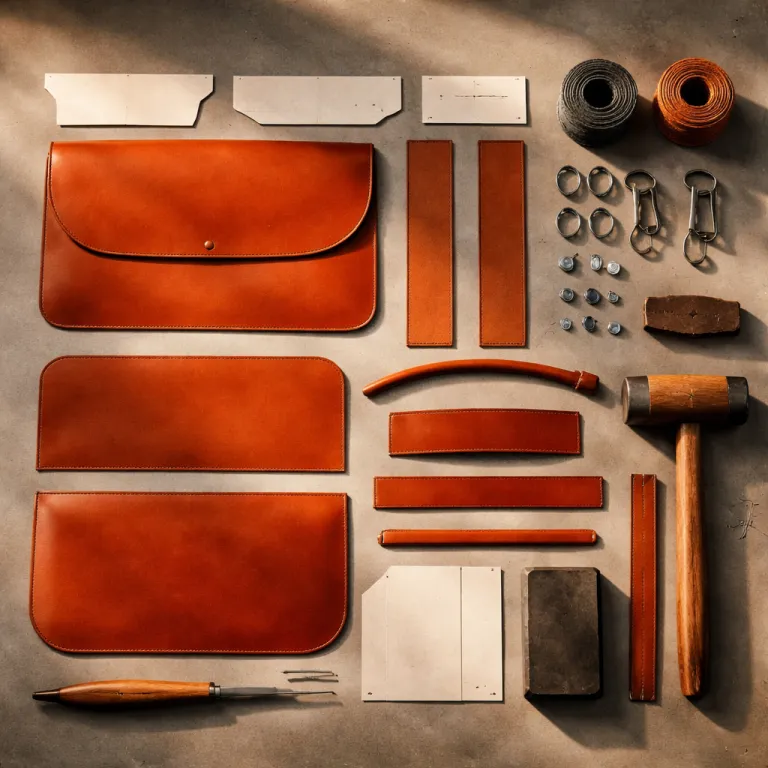
The quiet power of anonymous leather artisan craftsmanship
Your favourite brown bag probably carries a logo, not a name. Behind that logo stands a whole ecosystem of largely invisible leather workers, a system where the maker’s hands are everywhere yet the maker remains unknown. This quiet anonymity shapes how leather goods are designed, priced, and valued in ways most owners never question.
Historically, guilds protected techniques while keeping individual artisans relatively faceless, and modern luxury houses have refined that model so the brand absorbs all the credit while the workshop stays in the shadows. The leather quality, the full grain panels, the perfect edge paint on your men’s leather briefcase are presented as the brand’s achievement, even when a single artisan has spent twenty hours on the piece. The result is a paradox where quality craftsmanship is celebrated loudly while the people who execute it are treated as interchangeable parts in a very profitable machine.
Consider how you evaluate quality leather when you handle a new wallet or bag. You feel the grain leather, you test the stitch tension, you check how the zipper tape is skived and folded, yet you rarely ask who actually cut and assembled those leather goods. This culture of nameless production has trained the regular customer to love quality but to love the logo more, and that is exactly why the artisan who made your bag will never sign it.
From guild benches to brand temples
In the old European ateliers, a master leather worker might sign a ledger, not a product. The workshop name mattered more than the individual, and collective authorship acted as a shield that protected trade secrets and controlled the sale of quality products within the guild. Luxury brands have inherited that structure but redirected the prestige from the bench to the boutique.
Today, when a house presents a rated “great product” in a runway show, the narrative centres on the creative director rather than the person who selected the full grain hide or adjusted the awl angle for saddle stitching. The economic logic is clear, because a single designer name can be scaled across thousands of leather wallets, bags, and accessories, while individual artisans remain replaceable line items. Your best wallet in terms of construction may have been made by a single highly trained craftsperson, yet the regular price you pay reflects the brand’s storytelling more than the artisan’s labour.
This is why even very high quality leather goods rarely carry a maker’s mark. If the artisan signed your brown wallet, you might start following that name instead of the logo, and over time the brand would lose control of the narrative and the price sale premium it commands. In this sense, keeping makers unnamed is not just a romantic idea of humble craftspeople; it is a deliberate strategy to keep value flowing upward while the hands that create remain discreet.
How luxury houses keep artisans invisible yet indispensable
Walk into a flagship boutique and you will see glass, marble, and perfect lighting. What you will not see is the cutting table where full grain leather is inspected under harsh neon for scars, growth marks, and loose grain that would disqualify it from high quality bags. The separation between the luminous retail floor and the anonymous workshop is physical, economic, and philosophical.
In the major maisons, production is organised so that no single artisan owns the whole object, which makes this invisibility easier to maintain. One person cuts, another skives, another assembles, another handles edge finishing, and the final inspection team signs off on quality products that appear to emerge from the brand itself. This division of labour keeps the artisan in the background and ensures that customer service conversations always circle back to the house name, never to the individual who stitched your men’s leather wallet or travel bag.
There are exceptions, of course, where a single artisan is responsible for an entire piece, but even then the signature is coded as a workshop stamp rather than a personal name. When you read about the thirteen details that separate great from merely good in a briefcase, you are usually reading a brand’s editorial voice rather than the craftsperson’s own account of quality craftsmanship. The maison controls the website, the newsletter stay updates, and the after sale service, while the artisan’s role is to maintain consistent leather quality behind the scenes.
Margins, marketing, and the price of a name
The economic argument for anonymity is blunt. Luxury houses operate at margins that would be difficult to sustain if every artisan became a visible, marketable personality with leverage over wages and working conditions. Keeping makers in the background keeps the workshop flexible, because artisans can be reassigned, replaced, or relocated without disrupting the brand story.
Think about the last time you compared a sale price to a regular price on a high end wallet. The difference between the price sale and the regular price rarely reflects any change in the cost of leather or labour; it reflects the brand’s decision about how much value its name can extract at a given moment. The artisan’s pay remains relatively stable whether your leather wallets are sold at full price or during a private sale, which shows how little the maker’s identity influences the financial equation.
For the connoisseur, this raises a hard question about what we are really rewarding when we praise a great product. We say we love quality and we love wallet details like hand painted edges and tight saddle stitching, yet our purchasing behaviour mostly rewards the logo that appears on the website and the box. The current system allows brands to monetise that love quality narrative while keeping the people who actually deliver quality leather work safely out of the spotlight.
When the maker is the brand, and why that scares big houses
Outside the orbit of the mega maisons, a different model is quietly thriving. In small workshops from Florence to Chicago, the artisan’s name is the logo, and the usual anonymity is replaced by a direct relationship between maker and owner. Here, the person who cuts your full grain strap is the same person who answers your email about conditioning and patina.
These ateliers often invite you to choose the exact grain leather, thread colour, and hardware for your wallet or bag, and they may even emboss the date and the artisan’s initials inside. The result is a piece where quality craftsmanship is inseparable from a specific human being, which changes how you think about price, repair, and long term care. When you know who made your men’s leather card holder, you are less likely to treat it as a disposable accessory and more likely to value the leather quality as part of an ongoing relationship.
Some of the most interesting examples extend this philosophy to very small objects, such as key fobs and coin wallets. A refined guide to choosing a leather keyring for discerning owners will often highlight not just the quality leather and hardware but also the artisan’s approach to edge finishing and stitching density. In this ecosystem, newsletter stay updates are not generic marketing; they are letters from the bench, where the same hands that craft your leather goods also explain why a particular brown hide or full grain panel behaves beautifully over time.
Why signed work is still rare in luxury
If this model is so compelling, why do not more big brands allow artisans to sign their work. The answer lies in control, scalability, and the fear of fragmenting the brand into a constellation of semi independent stars. Keeping the maker’s name off the product keeps the spotlight firmly on the house, which simplifies everything from global marketing to after sale customer service.
Imagine a world where your best wallet carried both the brand logo and the artisan’s full name. Over time, certain names would become rated as especially great, and collectors would seek them out, pushing up the effective price of those pieces and creating internal hierarchies that brands cannot easily manage. The maison would face pressure to adjust pay, to offer more transparent service, and to acknowledge that quality products are not perfectly interchangeable when they are tied to specific makers.
For now, most large houses prefer the safety of anonymous good craftsmanship, where the narrative emphasises timeless design and high quality materials rather than individual genius at the workbench. You still get beautiful leather wallets and bags with excellent leather quality, but the credit flows to the logo on the dust bag. The artisan who made your bag will never sign it, not because the work is unworthy, but because the system is designed to keep your love wallet feelings focused on the brand rather than the person.
What discerning owners can do with this knowledge
As a collector, you sit closer to the truth than most customers. You already feel the difference between corrected grain and full grain leather, between machine lockstitch and hand saddle stitch, and you know that the quiet, uncredited work in the background is not a marketing slogan but a daily reality in the workshops. The question is how to respond without slipping into cynicism or performative outrage.
One practical step is to ask better questions at the point of sale and in follow up conversations with customer service. Instead of asking only about warranty and delivery, ask whether a single artisan assembled your bag, whether the house tracks which workshop produced your specific wallet, and how they train new makers to maintain quality craftsmanship standards. You may not get names, but the way a brand handles these questions reveals how seriously it treats the people behind its quality leather goods.
Another step is to rebalance your collection toward makers and maisons that treat artisans as visible partners rather than invisible labour. When you research how to choose the perfect leather for bags, pay attention not just to the technical advice on grain leather and tanning but also to how openly the brand talks about its workshops. A website that shares real information about leather quality, working conditions, and training is more likely to deliver quality products that justify their regular price rather than relying on perpetual sale price tactics to move anonymous stock.
Voting with your wrist, pocket, and inbox
Your buying power extends beyond the boutique. When you sign up for a newsletter stay informed about new products, you are also signalling what kind of stories you want to hear from the brand. If you consistently engage with content about artisans, process, and material science, you encourage more transparency and less empty lifestyle marketing.
Over time, this can shift how brands frame the role of their workshops, even if they never go as far as letting every artisan sign each bag. You might still buy a great product at a seasonal price sale, but you will do so with a clearer sense of how that sale price relates to the regular price and to the real cost of labour and leather. The more you align your love quality instincts with brands that respect both quality leather and the people who work it, the more your collection becomes a quiet argument for a fairer system.
In the end, the artisan who made your bag may remain officially anonymous, yet your choices can still honour their work. Each time you choose high quality full grain over flashy finishes, each time you prioritise quality craftsmanship over hype, you are rewarding the invisible hands that shape your favourite wallets and bags. That is how a discerning owner turns anonymous good work into something personally meaningful, even when the signature is hidden in the stitching rather than stamped in gold.
Key figures behind anonymous leather artisan craftsmanship
- Public financial filings from major luxury houses such as LVMH and Kering report operating margins in the high teens to low thirties, significantly above many manufacturing sectors, highlighting how much value the brand captures compared with the wages paid to individual artisans who remain anonymous in public communications (based on aggregated annual reports from leading European maisons).
- Industry surveys of leather goods marketed in New York City boutiques, including research cited by the Council of Fashion Designers of America and trade association briefings, have found that a large majority of products use terms such as “ethical craftsmanship” or “artisanal” in their messaging, yet only a small fraction name specific artisans or workshops on product tags (compiled from trade association briefings and retail field studies).
- Emerging artisan led brands in Europe and North America, from Florence’s independent belt makers to Chicago’s small batch wallet studios, report that pieces signed or initialled by makers can command noticeable price premiums compared with unsigned equivalents, indicating that some customers are willing to pay more when the craftsperson is visible (drawn from interviews in specialist fashion and regional business press).
- Training data from Italian leather districts show that it typically takes between three and five years of full time workshop experience for a new worker to reach the speed and consistency required for high end bag assembly, underscoring how much expertise is hidden behind anonymous leather artisan craftsmanship (source: Consorzio Vera Pelle Italiana Conciata al Vegetale training programmes and related apprenticeship documentation).