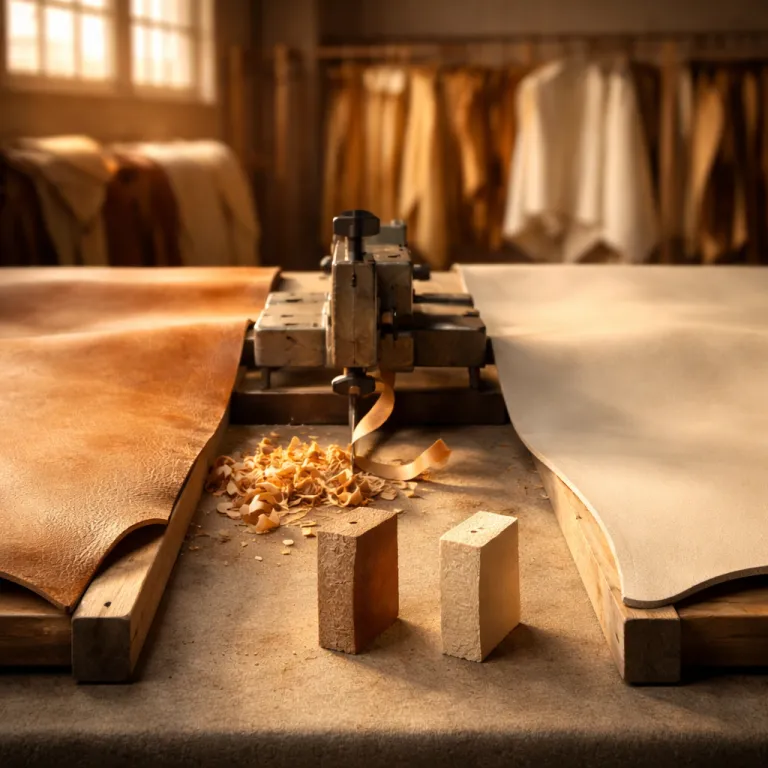
The quiet revolution in leather tanning for connoisseurs
When you weigh vegetable tanned leather vs chrome tanned, you are really choosing how your leather will live with you. The tanning process fixes the animal hide so it will not rot, but it also scripts how the leather will age, how it will take color, and how it will respond to water and time. For serious collectors of leather goods, that script matters as much as the design itself.
Traditional vegetable tanning uses tree bark and other plant tannins to tan hides slowly, creating firm veg tanned leathers that feel dense in the hand and show a strong, evolving patina. Modern chrome tanning relies on chromium salts to produce chrome tanned leathers quickly, giving a supple chrome leather with consistent color that resists dramatic change, which many luxury houses quietly rely on for predictable production. When you compare vegetable tanned leather vs chrome tanned in a boutique, you are often comparing centuries of craft with a century of chemistry, even if the sales associate never mentions leather tanning at all.
Collectors who prize natural character tend to gravitate toward vegetable tanned leather, especially for wallets, belts, and structured bags where patina is part of the pleasure. Owners who prioritise immediate softness, light weight, and colour stability often prefer chrome leather, particularly for slouchy totes, linings, and some ready to wear leather goods. Understanding how each tanning process shapes quality, feel, and longevity lets you choose tan leather that will age well rather than simply look good on the shelf.
From bark pits to drums: how vegetable and chrome tanning diverged
For most of leather history, vegetable tanning was the only serious option, with hides resting for weeks in pits filled with water and powdered bark from oak, chestnut, or mimosa. This slow vegetable tanning process produced firm veg tan leathers ideal for saddlery, trunks, and early travel goods, where structure and durability mattered more than immediate softness. The resulting vegetable tanned hides were heavy, slightly stiff when new, and designed to mellow over time with use and exposure.
The arrival of chrome tanning in the industrial age changed leather tanning forever, as chromium salts allowed tanners to tan hides in hours rather than weeks, with far less space and labour. Chrome tan leathers could be made thinner, more flexible, and more uniform, which suited the rise of fashion footwear, gloves, and lighter leather goods that needed to bend and fold without cracking. Today, chrome tanning accounts for the majority of tanned leathers globally, while vegetable tanning survives in specialist tanneries that focus on high quality veg tanned leather for discerning clients.
In Italy, tanneries in Tuscany’s Arno valley still champion leather vegetable traditions, producing natural veg tan leather for belts, watch straps, and small goods that connoisseurs seek out for their patina. In contrast, large industrial tanneries worldwide run vast drums of tanned chrome leathers, optimised for consistent color and performance in everything from sneakers to car interiors. When you hold a heritage briefcase beside a featherlight fashion tote, you are feeling the legacy of these two tanning paths in every millimetre of the hide.
Reading the grain: how each tanning method ages on the wrist and in the hand
The most reliable way to judge vegetable tanned leather vs chrome tanned is to watch how the surface behaves over time. Vegetable tanned hides start relatively pale and matte, then darken and gain a rich patina as oils from your skin, light, and water gradually tan the surface further. Chrome tanned leather, by contrast, tends to keep its original color and sheen, with the grain remaining more stable and less dramatically marked by daily use.
Run a fingertip across a veg tan belt or watch strap and you will feel a slight resistance, a dry hand that warms and softens as the leather breaks in, while the edges of the hide burnish to a deeper color. On a chrome leather bag, the grain often feels cooler and silkier, with a more uniform surface that resists scuffs and quickly rebounds from light pressure, which many owners appreciate for low maintenance elegance. Over years, vegetable tanned leathers show high quality character lines, darkened handles, and subtle tonal shifts, whereas tanned chrome leathers mostly show creasing without the same depth of patina.
Look closely at the cut edge of a strap or wallet to read the tanning process, because veg tanned leather usually shows a fibrous, slightly open structure that can be burnished glass smooth, while chrome tanned edges often appear more compressed and may be sealed with paint. A drop of water on natural veg tan will temporarily darken the spot, then blend into the overall color as time passes, whereas on chrome tan leather the water often beads and leaves little trace. Once you train your eye on these small cues, you will read leathers in boutiques as easily as you read dials on a watch.
Performance, environment, and when each tanning method earns its place
From a performance standpoint, vegetable tanned leather vs chrome tanned is no longer a simple story of soft versus stiff, because modern veg tan can match or exceed chrome on tensile strength in many applications. For belts, structured wallets, and patina driven small leather goods, high quality vegetable tanned hides offer superior edge stability, better moulding to your body, and a more satisfying long term feel. For gloves, garment leather, and some shoe uppers that demand extreme flexibility, chrome tanning and blended veg chrome processes still provide unmatched softness and resilience.
Environmental impact is more nuanced than marketing suggests, since vegetable tanning uses natural tannins but still consumes significant water and energy, while chrome tanning relies on chromium that must be carefully managed to avoid harmful by products. Well run tanneries now invest heavily in effluent treatment, closed loop water systems, and strict control of chromium salts to prevent the formation of problematic leather chrome residues, which responsible brands increasingly audit. As a collector, you should ask not only whether a leather is veg tanned or chrome tanned, but also how the tannery handles its waste, its water, and its workers.
In daily life, choose veg tan or vegetable tanned leather when you want a piece to record your story, such as a wallet, notebook cover, or strap that will show patina where your fingers rest. Choose chrome tan or tanned chrome leather when you need reliable performance in rain, repeated flexing, or high abrasion, such as travel sneakers, linings, or lightweight bags. The most thoughtful collections mix both tanning processes, using each where its strengths align with the way the leather will actually be used over time.
How to tell what you are really buying in the boutique
When a sales associate simply says “it is high quality leather”, you can still decode vegetable tanned leather vs chrome tanned with your senses. Start with smell, because vegetable tanning often leaves a warm, woody scent reminiscent of dry bark and tea, while chrome tanning tends toward a cleaner, more neutral smell with a faint chemical edge. Then feel the temper of the hide, since veg tanned leather usually feels firmer and more self supporting, whereas chrome leather drapes and folds with less resistance.
Inspect the colour and surface carefully, because natural vegetable tanned leather often comes in undyed or lightly dyed shades that show subtle variation, while chrome tanned leathers display very even color, including bright hues that are difficult to achieve with pure vegetable tanning. Look at the cut edge of straps or interior seams, where veg tan edges can be burnished to a glossy dark line, while chrome tan edges often need painted edge finishing to look clean and protect the more elastic fibres. If you can, perform a discreet water drop test on an interior area, watching whether the water soaks in and darkens the spot, which suggests veg tan, or beads and wipes away, which points toward chrome tanning.
Ask directly whether the piece is veg tanned, chrome tanned, or a veg chrome combination, and do not be satisfied with vague references to “Italian leather” or “premium hides”, because origin does not replace clarity about the tanning process. Over time, you will build a mental library of how different leathers behave, from dense vegetable tanned belts that slowly gain depth to supple chrome leather linings that stay almost unchanged. That knowledge lets you curate a collection where every hide, every tan, and every patina is chosen with intent rather than left to chance.
Building a collection that ages with you, not against you
For a seasoned owner, the question is not whether vegetable tanned leather vs chrome tanned is objectively better, but which leather serves each role in your wardrobe. A daily wallet, a belt that anchors tailored trousers, or a watch strap you wear for years all benefit from vegetable tanned leather that will tan further with light, oils, and time, creating a patina that quietly signals use rather than novelty. A travel duffel that sees airport security trays and rain slick pavements may be better in chrome tanned leather, where the color stays stable and the hide shrugs off water more easily.
Think in terms of zones of wear on your body, because high touch areas like handles, cuffs, and waistlines reward veg tan leathers that respond to your skin, while low touch panels and linings can rely on chrome tanning for comfort and flexibility. When you commission bespoke leather goods, discuss the tanning process explicitly with the maker, asking where they use veg tan, where they use chrome tan, and whether any leather vegetable blends or veg chrome hybrids are present in the construction. This level of attention ensures that the quality you pay for is not only in stitching and design, but also in the invisible chemistry that will govern how each hide behaves.
Over the years, you will notice that your most satisfying pieces are rarely those that stayed pristine, but those whose tanned leathers have recorded your habits in a way that feels intentional. A natural veg tan cardholder that has darkened to a deep honey, a chrome leather jacket that still drapes perfectly after countless wears, a tan leather strap whose edge burnish mirrors the curve of your wrist, all speak to choices made with understanding. In the end, the real luxury is not the logo on the flap, but the way the leather itself has been tanned to accompany your life gracefully.
Key figures on vegetable and chrome tanning in luxury leather
- Vegetable tanning traditionally requires several weeks of immersion and resting cycles for hides, while chrome tanning can stabilise the same hide within a day, which shapes both cost and capacity for luxury tanneries.
- Modern studies on shoe upper leathers show that well executed vegetable tanned leather can reach tensile strengths in the same range as chrome tanned leather, supporting its use in demanding applications.
- Environmental assessments consistently find that chrome tanning dominates global production volumes, while vegetable tanning represents a smaller but growing share focused on higher value leather goods and more transparent supply chains.
Frequently asked questions about vegetable and chrome tanned leather
Is vegetable tanned leather always better quality than chrome tanned leather?
Quality depends more on the raw hide, the skill of the tannery, and the intended use than on the tanning method alone. Vegetable tanned leather excels in structure, edge finish, and patina, making it ideal for belts, wallets, and cases that should age visibly. Chrome tanned leather can be equally high quality when produced carefully, particularly for garments, linings, and flexible bags where softness and colour stability matter most.
How can I tell if my existing leather goods are vegetable tanned or chrome tanned?
Start by examining the colour, smell, and edge finishing of the leather, because natural veg tan often shows subtle tonal variation, a warm woody scent, and burnished edges, while chrome tanned leather tends to have even colour, a more neutral smell, and painted or sealed edges. A small water drop on an inconspicuous area that darkens and slowly blends suggests vegetable tanning, whereas beading and quick evaporation point toward chrome tanning. If the piece is from a reputable maker, you can also ask their customer service for details on the tanning process used for that specific model.
Does vegetable tanned leather really develop a better patina than chrome tanned leather?
Vegetable tanned leather is more reactive to light, oils, and friction, so it tends to darken and gain depth in a way collectors describe as a better patina. Chrome tanned leather is engineered for colour stability and stain resistance, which means it creases and softens but usually changes less dramatically over time. If you value visible ageing and character, veg tan is the more rewarding choice, while chrome tan suits those who prefer a consistent appearance.
Which tanning method is more sustainable for luxury leather goods?
Vegetable tanning uses plant based tannins and avoids chromium, but it still consumes significant water and energy, while chrome tanning relies on chromium salts that must be carefully treated to avoid environmental harm. The most sustainable option is usually a well managed tannery, regardless of method, that invests in effluent treatment, responsible sourcing of hides, and transparent reporting. For a collector, asking about the specific tannery and its practices often reveals more about sustainability than simply choosing between veg tanned and chrome tanned labels.
When should I insist on vegetable tanned leather for a purchase?
You should insist on vegetable tanned leather when buying items where structure, edge finish, and patina are central to your enjoyment, such as belts, classic wallets, watch straps, and rigid cases. These pieces benefit from the way veg tan firms up, burnishes at the edges, and records your handling over time. For items that must remain very soft, thin, or water tolerant, such as some garments and linings, a carefully made chrome tanned leather can be the more practical and comfortable choice.