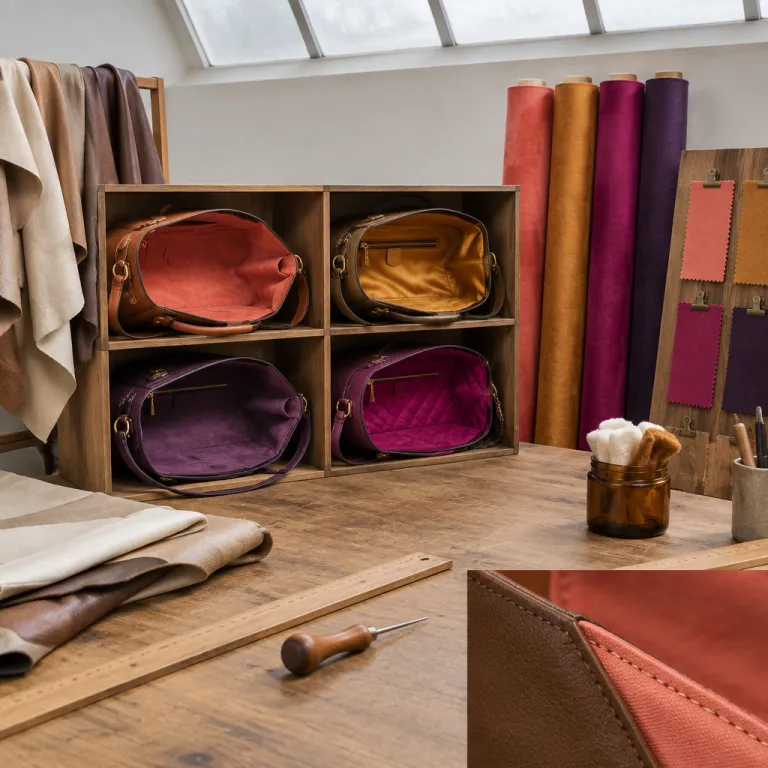
The hidden architecture of leather bag linings
Most owners judge a leather bag by its exterior grain, hardware, and silhouette. Yet the quiet architecture of the lining inside the bag governs how your belongings age, how the interior wears, and how the overall leather bag lining materials quality holds up over time. Once you start reading linings as seriously as you read hides, you rarely make a bad purchase again.
Think of the lining as the structural skin that connects the exterior leather to your daily life, because the interior fabric, leather lining, or canvas takes every abrasion from keys, pens, and chargers long before the exterior shows stress. A supposedly luxury bag with low grade bag linings or poorly bonded lining materials may look refined on day one yet feel tired and sagging after a single demanding season. True connoisseurs inspect the type of lining material, the stitching, and even the color choice with the same scrutiny they reserve for the exterior panels.
When you open a custom bag or heritage piece, run your fingers slowly along the lining fabric and leather linings, then pinch where the lining meets the exterior at seams and pocket mouths. A high quality leather lining or dense cotton canvas should feel taut and supportive inside the bag, not loose, papery, or over glued. If you sense ripples, bubbling, or a plasticky hand, you are touching compromised quality that will delaminate, stain, and distort the interior architecture of your bags far sooner than the exterior leather fails.
Ranking lining materials: from cotton twill to raw leather
Cotton twill remains the most balanced lining material for a serious leather bag, because it breathes, resists heat build up, and offers enough grip that objects do not skate around the interior. In daily use, cotton lining fabrics in a medium light color reveal dust and crumbs early, which lets you clean before abrasion becomes permanent, while still hiding minor marks better than stark white linings. For a workhorse bag project that must carry tools supplies, a laptop, and documents, a dense cotton or cotton blend lining bag interior usually outperforms synthetics in tactile comfort and long term leather bag lining materials quality.
Microsuede and genuine suede linings sit one notch higher in perceived luxury, because they cradle devices and sunglasses with a softness that feels almost indulgent. The iPhone test is instructive here, since a phone pocket lined with microsuede gently grips the device, while a polyester pocket lets it slide to the bottom and crash into hardware, which is why the lining is the user experience, not an afterthought. When artisans choose suede or leather lining for small bags, clutches, or a custom bag interior, they accept extra weight in exchange for protection, silence, and a sensual hand that reinforces the overall quality message.
Nylon and technical fabrics occupy a more pragmatic tier, especially when woven densely enough to be genuinely water resistant rather than merely water repellent. A nylon or coated fabric bag lining in a travel tote can save you from spilled toiletries, but the same synthetic lining materials in a formal leather bag may feel incongruous and slightly low in perceived luxury. If you want a deep dive into how such interiors age alongside exterior hides, study how different linings behave over time in relation to patina development in guides such as hand burnished edge finishing and workshop patience, because the same discipline that yields clean edges usually predicts disciplined choices in bag linings.
Color, visibility, and the daily search for your keys
Color inside a leather bag is not a decorative afterthought, because it dictates how quickly you find objects and how honestly the interior reports wear. A very light color lining fabric makes it effortless to spot a black wallet or dark keys, yet it also broadcasts every ink mark and lipstick smear, which can undermine the perception of leather bag lining materials quality if you are not meticulous. Dark linings hide stains and scuffs, but they also swallow small objects, so you end up rummaging inside the bag under restaurant tables, cursing the very luxury you paid for.
Many of the best custom bag makers choose a mid tone or contrast color for the lining material, using it almost as a signature that plays against the exterior leather. A tobacco leather lining against a navy exterior, or a burgundy canvas inside a black fabric bag, creates visual depth while still letting you read the interior at a glance. When you evaluate a lining bag configuration, look at how the color interacts with the bag’s openings, phone pocket placement, and any zippered compartments, because these details determine whether the interior feels like a considered environment or an afterthought.
There is also a psychological dimension to color that seasoned collectors quietly acknowledge during each new bag project. A serene, slightly warm neutral inside bag spaces invites calm organization, while harsh synthetic tones can make even high quality leather linings feel cheap and low in character. If you are choosing a gift that should age gracefully with its owner, it is worth pairing thoughtful lining colors with pieces that will develop a rich surface over time, as explored in guides on leather gifts that improve with use, because interior and exterior patina should complement rather than fight each other.
Construction details: bonded, stitched, and the paradox of luxury
The way a lining attaches to the exterior shell tells you more about craftsmanship than any marketing copy about heritage or luxury. A fully bonded bag lining, where the lining fabric is laminated to the leather, adds rigidity and helps the bag hold its architectural shape, but it can also trap moisture inside the bag and make repairs difficult. Unbonded linings, often seen in high quality canvas or leather lining constructions, allow the exterior leather to flex naturally, yet they demand more internal structure and precise stitching to avoid sagging.
Always inspect the seams where the lining meets the leather at pocket mouths, zippers, and the phone pocket, because these are the stress points that fail first in low quality bags. Glued only linings peel and bubble over time, especially around curved openings, while stitched linings with clean, even tension can survive decades of use and multiple shipping returns journeys. When you run a finger along the inside bag edge and feel both the lining materials and the exterior leather transitioning smoothly, you are touching the quiet evidence of a workshop that respects leather bag lining materials quality as much as visible branding.
The luxury paradox is that some very expensive bags hide thin, cheap polyester linings behind exquisite full grain exteriors, sacrificing durability and tactility in the name of weight savings. This is where a connoisseur’s eye must override the seduction of logos, because a supposedly free upgrade like ultra light construction can cost you in sagging interiors, torn bag linings, and noisy, plasticky hand feel. When assessing a custom bag or ready to wear piece, treat the interior as a structural component, not a free accessory, and remember that the same patience that produces refined edge work, as discussed in patina and craft essays such as long term leather aging timelines, usually predicts disciplined choices in lining construction.
Practical tests for connoisseurs: from phone pockets to water resistance
Evaluating leather bag lining materials quality in the shop or at home does not require special tools supplies, only a few disciplined habits. Start with the phone pocket test by sliding your smartphone into every interior compartment, because a well designed lining bag pocket grips just enough to prevent sliding while still allowing a clean draw. If the phone rockets to the bottom of the bag and collides with metal hardware, you are feeling the downside of slick polyester or poorly chosen lining materials that prioritize low cost over control.
Next, assess water resistance realistically rather than trusting vague hang tags that promise a water resistant interior without specifying the type of treatment. A tightly woven nylon or coated canvas lining fabric can protect against a spilled bottle, but a cheap coating often cracks, flakes, and contaminates the inside bag with debris that clings to leather linings and fabric bag contents. Gently press a damp cloth against an inconspicuous area of the lining material for a few seconds, then check for absorption, color bleeding, or surface tackiness, because these are early warnings about compromised quality.
Finally, treat every new bag project as an opportunity to refine your personal standards for leather lining and bag linings. Note how the interior behaves during shipping returns, travel, and daily commuting, then adjust your future choices toward the recommended lining types that actually support your habits rather than theoretical use cases. Over time, you will recognize that the most satisfying bags are not necessarily the ones that arrived with free shipping or elaborate packaging, but the ones whose interiors quietly protect, organize, and flatter your belongings every single day.
FAQ
How can I quickly judge leather bag lining materials quality in a store ?
Open the bag fully and run your fingers along the lining, seams, and pocket mouths, feeling for ripples, bubbling, or a plasticky hand. Check whether the lining is stitched rather than only glued, and gently tug at the junction between lining and exterior leather to see if it feels secure. Finally, drop your phone into the phone pocket and main compartment to test grip, noise, and how controlled the interior feels in real use.
Is a leather lining always better than a fabric lining ?
A leather lining offers a luxurious hand and visual continuity with the exterior, but it adds weight and can trap heat in tightly packed bags. High quality cotton twill or microsuede linings often provide better breathability and softer protection for electronics, especially in larger work bags. The best choice depends on how you use the bag, how much weight you tolerate, and whether you prioritize tactile richness over technical performance.
Which lining color is most practical for everyday use ?
Mid tone neutrals such as warm grey, taupe, or muted camel usually balance visibility and discretion better than very light or very dark linings. Light interiors make it easy to find objects but show stains quickly, while dark linings hide marks yet make small items disappear visually. For a daily carry, a mid tone lining with a slight contrast to your belongings is often the most practical compromise.
Are synthetic linings always a sign of low quality ?
Not all synthetic linings are equal, because dense nylon or technical blends can be durable, water resistant, and appropriate for travel or sport oriented bags. Problems arise with thin, noisy polyester that feels slick, attracts lint, and delaminates over time, especially when paired with a high end leather exterior. Evaluate the thickness, hand feel, and stitching quality of any synthetic lining rather than judging solely by the word “polyester” on a label.
How often should I clean or maintain a bag’s lining ?
Empty the bag and gently shake out debris every week if you use it daily, then vacuum the interior with a soft brush attachment once a month. Spot clean fabric linings with a mild soap solution and a barely damp cloth, always testing in a hidden area first, while treating leather linings with appropriate leather care products sparingly. Regular light maintenance prevents dirt from becoming abrasive, which helps both the lining and the exterior leather age more gracefully.