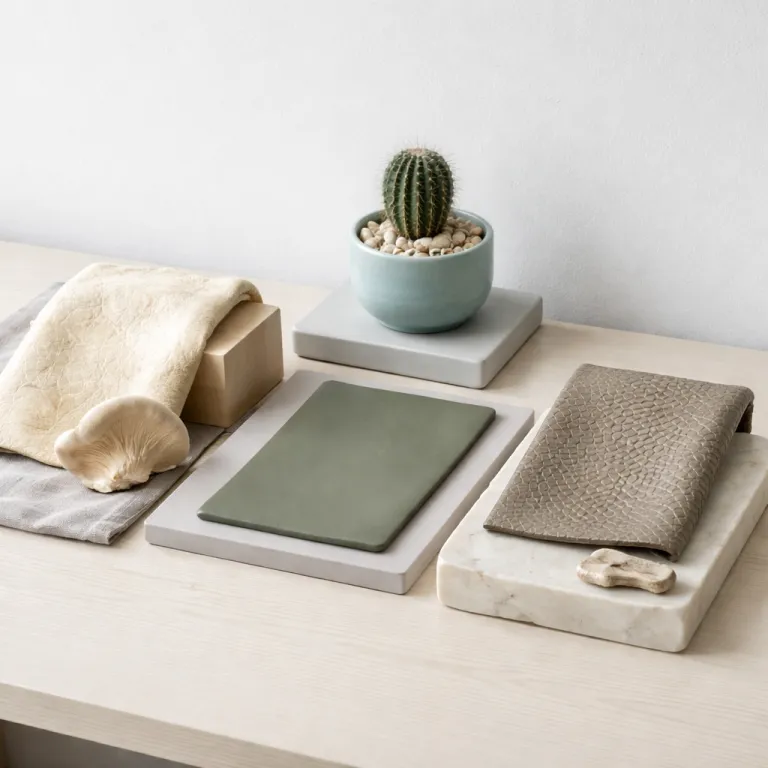
Vegan leather alternatives durability for owners of heirloom pieces
You probably judge any new leather alternative against the full grain leather bags already in your wardrobe. That is the only honest benchmark for assessing vegan leather alternatives durability in a luxury context, because traditional leather has centuries of proven performance in daily use. When a plant based or bio based material claims to rival real leather, the question is not ethics alone but how the product behaves after ten winters, airport security trays, and crowded metros.
Most so called vegan leather products are layered composites, not a single continuous hide like traditional leather. A typical vegan leather material combines a textile backing with coatings made from synthetic resins, recycled plastic blends, or newer bio based dispersions derived from plant oils and agricultural waste. This structure explains why many leather alternatives feel convincing on day one yet show creasing, cracking, or delamination far earlier than a well tanned piece of real leather from a reputable tannery.
For a conscious luxury buyer, the key is to separate marketing language from the actual based materials and construction. Ask whether the leather vegan surface is polyurethane, polyvinyl chloride, or a newer bio based coating, and how thick that coating is compared with the textile core. In independent flex tests such as the SATRA TM55 standard, high quality full grain leather often survives more than 100,000 bend cycles, while many early plant based composites fail between 10,000 and 30,000 cycles when the coating is under 300 microns. Vegan leather alternatives durability therefore depends as much on stitch density, edge paint chemistry, and lining materials as on the headline plant based story, so you must evaluate the whole product rather than a single green claim.
Four families of leather alternatives and what they are made of
Alternative leather materials now fall into four broad families that matter for durability. You will encounter mycelium sheets grown from fungal networks, cactus based leather alternatives such as materials popularised by producers like Desserto, pineapple leaf textiles such as Piñatex from Ananas Anam, and cultivated animal collagen sometimes marketed as lab grown or cultured leather. Each family uses different plant, bio, or animal derived inputs, and those inputs dictate how the material ages on a structured bag or small leather goods.
Mycelium leather alternative products from innovators such as MycoWorks and Bolt Threads are usually coated with synthetic binders to stabilise the delicate fungal network. That means the environmental impact and vegan leather alternatives durability depend less on the mycelium itself and more on the plastic or bio based resin that locks the fibres together. Cactus and apple based materials follow a similar pattern, blending powdered plant matter such as nopal cactus or apple pomace with recycled plastic or waterborne polyurethane to create a flexible sheet that can be embossed like real leather.
Pineapple leaves and each pineapple leaf fibre used by Ananas Anam start life as agricultural waste from the pineapple harvest. These fibres are felted into a non woven textile, then coated with either plastic based or more plastic free bio based finishes to create Piñatex style products used in fashion accessories. In abrasion tests reported by several European material labs using Martindale methods, Piñatex style textiles with thicker topcoats have reached over 50,000 rub cycles, while thinner coated versions show wear far sooner on corners and straps. For a deeper technical comparison of high quality faux leather materials, including synthetic and plant based options, a useful reference is the guide on exploring the world of high quality faux leather, which dissects how different based materials influence both feel and long term performance.
Grain, patina and the absent dimension in vegan materials
Owners of fine leather bags know that the magic lies in the grain rather than the logo. Full grain leather shows a natural follicle pattern from the animal hide, and that irregularity allows the material to flex, compress, and recover without the surface film doing all the work. Most vegan leather alternatives mimic this pattern with an embossed plate, so the grain is only skin deep and does not guide how the underlying materials move over time.
Patina is the second missing dimension in many leather alternatives, and it matters more than most press coverage admits. Real leather darkens, burnishes, and softens in a way that hides small abrasions and makes a leather product feel more luxurious after years of use. By contrast, a plant based or synthetic vegan leather surface often relies on a uniform coating that shows every scratch as a pale scar, because there is no depth of colour or oil migration to blend the mark into the surrounding material.
This is where the ethics of vegan fashion meet the reality of long term ownership. A long vegan narrative about reduced environmental impact or animal welfare is compelling, but if the leather alternative cracks at stress points or the edge paint flakes after three summers, the product becomes waste rather than a sustainable heirloom. In a 2021 life cycle assessment comparing bovine leather with several polyurethane coated plant based composites, researchers found that while some bio based options reduced agricultural impacts, premature failure and limited repairability often shifted the burden to higher replacement rates. For a thoughtful comparison of prestige and responsibility between vegan leather and traditional leather, the essay on conscious luxury and vegan leather prestige offers a nuanced view that aligns closely with what many collectors observe in their own wardrobes.
Durability in practice: what two years of wear reveal
When you examine the first cohort of mycelium and plant based leather bags after twenty four months of daily use, patterns emerge quickly. Corners and handles show where vegan leather alternatives durability still trails behind well made traditional leather, especially on structured silhouettes that concentrate stress along seams. Edge behaviour is often the first failure point, with coated based leather materials chipping or peeling where real leather would simply burnish and darken.
Heat resistance is another quiet weakness that rarely appears in marketing copy. A leather vegan composite that includes recycled plastic or thin synthetic coatings can soften or deform if left on a car seat in direct sun, while full grain real leather usually shrugs off the same exposure with only minor drying. Long term abrasion from zips, hardware, and wool coats also reveals whether a bio based or plastic free finish has enough elasticity to survive thousands of micro impacts without cracking.
Water performance is one area where some leather alternatives genuinely win, especially those with dense synthetic coatings that resist staining better than many aniline leather materials. Yet this advantage can be offset by poor flex resistance, leading to creases that break the surface film and expose the textile core beneath. In workshop case studies shared by European repair studios, technicians report that thin coated cactus based totes and early mycelium crossbody bags most often fail first at strap attachments and folded edges, while comparable full grain leather pieces from heritage houses remain structurally sound after similar use. For owners who rotate several leather bags, a pragmatic approach is to reserve more experimental vegan leather products for lighter duty, while relying on proven traditional leather for the pieces that carry weight and see hard travel.
When to choose vegan leather and when to stay with hide
Choosing between vegan leather alternatives and real leather is not a binary moral test. It is a material decision that balances environmental impact, animal ethics, and the quiet satisfaction of carrying a product that still feels composed after a decade. For pieces you expect to keep long term, such as a daily work tote or a travel duffel, full grain traditional leather from a transparent tannery still offers the most reliable combination of strength, repairability, and graceful ageing.
Vegan leather alternatives durability can be entirely adequate for lighter duty products, especially slim clutches, cardholders, or occasional evening leather bags. In these categories, a well engineered plant based or bio based leather alternative that uses agricultural waste such as apple pomace or pineapple leaves can meaningfully reduce raw hide demand and some forms of environmental waste. The key is to favour brands that publish clear data on recycled content, plastic free or reduced plastic coatings, and the full life cycle environmental impact of their based materials.
For owners who already have a stable of real leather pieces, one elegant path is to treat vegan leather as a complement rather than a replacement. You might commission repairs or creative transformations on existing leather products, using techniques such as upcycling and panel replacement, as described in the guide to the art of upcycling luxury leather. Then, when adding a new leather alternative product, you can choose a long vegan or plant based material for roles where its strengths shine, while letting your most trusted traditional leather companions continue to carry the heaviest loads.
FAQ
Are vegan leather alternatives durable enough for everyday luxury bags
Some vegan leather alternatives are durable enough for everyday leather bags, but many are not yet on par with high quality full grain leather. Composites that combine strong textile backings with robust bio based or synthetic coatings perform best, especially when edge finishing and stitching match traditional saddlery standards. For a bag you plan to carry daily for many years, full grain real leather still offers more predictable long term behaviour.
Which vegan leather materials age the most gracefully
Among current options, mycelium based and certain plant based materials with thicker, more elastic coatings tend to age better than very thin synthetic films. Pineapple leaf textiles such as those from Ananas Anam and some apple based composites can soften attractively, but they rarely develop the deep patina of traditional leather. The absence of true grain and oil migration means most vegan leather surfaces will show wear as surface damage rather than as a rich, blended patina.
Do plant based leathers have a lower environmental impact than real leather
Many plant based leather alternatives use agricultural waste such as pineapple leaves or apple pomace, which can reduce raw material impacts and divert waste streams. However, these materials often rely on synthetic or recycled plastic binders, so their overall environmental impact depends on coating chemistry, energy use, and end of life options. A responsibly sourced, vegetable tanned real leather can sometimes rival or even outperform poorly designed vegan materials on certain environmental metrics.
Can vegan leather be repaired like traditional leather
Repairing vegan leather is usually more limited than working with traditional leather hides. Surface cracks or peeling coatings on a leather alternative are difficult to restore invisibly, because there is no depth of material to recondition or recolour. By contrast, skilled artisans can sand, dye, and refinish real leather, which is one reason heritage leather products often remain in service for decades.
When does it make sense to choose a vegan leather product
Choosing a vegan leather product makes sense when the item will see moderate use, when animal welfare is a primary concern, or when you want to support innovation in more sustainable materials. Small accessories, occasional wear pieces, and trend driven fashion items are good candidates for high quality leather alternatives. For heavy duty travel bags or heirloom level investments, traditional leather still provides a more proven balance of strength, repairability, and aesthetic longevity.
