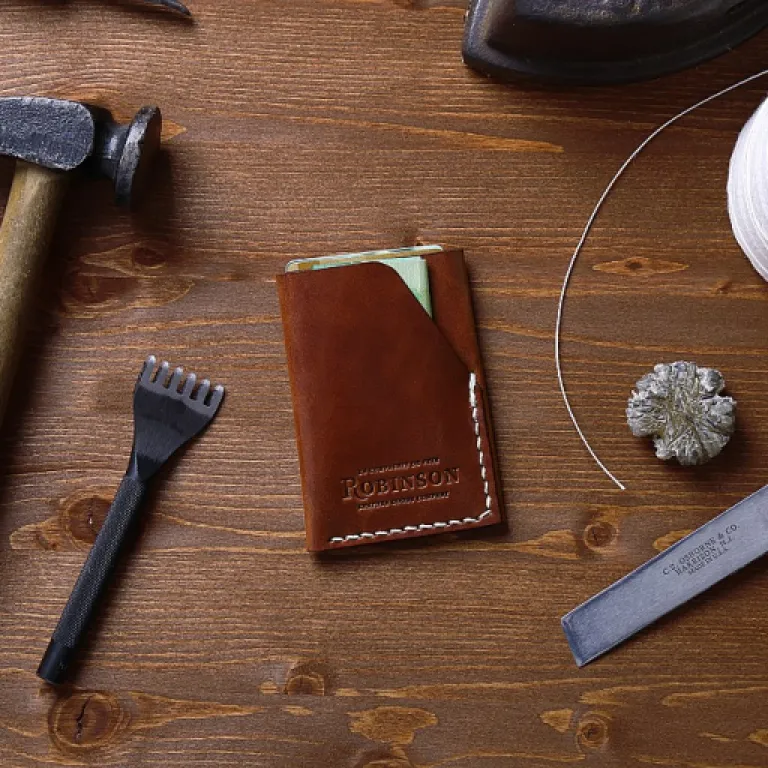
Understanding why traditional leather cracks
Why does leather crack over time?
Cracking is a common concern for owners of luxury leather goods. Whether you own real leather or are exploring leather alternatives, understanding the causes of cracking is essential for making informed choices. Traditional animal leather, prized for its natural fiber structure, is susceptible to cracking when it loses moisture or is exposed to environmental stress. Over time, factors like low humidity, direct sunlight, and lack of proper care can dry out the material, causing it to become brittle and eventually crack.
The role of material composition in durability
The durability of leather products—whether animal-based or alternative—depends largely on the material's composition. Real leather contains natural oils and proteins that keep it supple, but these can evaporate or break down, especially if the leather is not maintained. On the other hand, synthetic leather and plant-based alternatives like cactus leather, mushroom leather, and pineapple leaves (such as those used by Ananas Anam) have different structures. Some vegan leather products are made from plastic or bio-based materials, which can resist cracking better than traditional leather, but may have other weaknesses.
- Animal leather: Prone to drying and cracking without regular conditioning
- Synthetic leather: Often more resistant to water but may crack if the plasticizers degrade
- Plant-based alternatives: Materials like cork, cactus (Desserto), and mushroom (Mirum) offer natural flexibility, but their resistance to cracking depends on processing and quality
As you consider high quality leather alternatives, it's important to recognize how different materials react to environmental stress and wear. This knowledge will help you evaluate which leather vegan or plant-based options might offer better longevity for your luxury leather goods. For a deeper dive into the world of high quality faux leather, you can explore this guide to high quality faux leather.
Key qualities of crack-resistant leather alternatives
What Makes a Material Resist Cracking?
When searching for leather alternatives that stand up to daily use, understanding the core qualities that prevent cracking is essential. Whether you are considering vegan leather, plant based materials, or innovative synthetic options, the durability of these products depends on several factors.
- Flexibility and Elasticity: Materials that can bend and flex without losing their structure are less likely to crack. High quality vegan leather, for example, often incorporates natural fiber blends or bio based polymers to enhance flexibility.
- Moisture Retention: Traditional animal leather cracks when it dries out. Many alternative materials, such as cactus leather (like Desserto) or mushroom leather, are engineered to maintain moisture balance, reducing the risk of surface fissures.
- Layered Construction: Some synthetic leather and plant based alternatives use multi-layered designs. This structure helps distribute stress and prevents the material from splitting under pressure.
- Absence of Plasticizers: Low quality synthetic leather often relies on plasticizers, which can evaporate over time and leave the material brittle. Premium alternatives, such as cork or Mirum, avoid these additives, resulting in longer-lasting flexibility.
- Natural Fiber Integration: Incorporating natural fibers, like those from pineapple leaves (Ananas Anam) or cactus, strengthens the material and adds resilience. These fibers help the leather alternative maintain its shape and resist cracking.
For a deeper dive into the world of high quality faux leather and what sets durable alternatives apart, you can explore this guide on high quality faux leather.
As you consider your next luxury leather goods purchase, keep these qualities in mind. They are crucial for ensuring your leather alternative products remain beautiful and functional over time, whether you choose plant based, vegan, or synthetic materials.
Popular luxury leather alternatives that won’t crack
Leading materials redefining luxury leather goods
Luxury brands are increasingly turning to innovative leather alternatives that offer impressive resistance to cracking. These materials not only rival the look and feel of real leather but also address concerns about animal welfare, sustainability, and durability. Here are some of the most notable options currently shaping the market for high quality leather goods:
- Cactus leather (Desserto): Made from the mature leaves of the nopal cactus, Desserto is a plant based material that stands out for its flexibility and resistance to cracking. Its natural fiber composition allows it to retain softness and durability over time, making it a popular choice for vegan leather products.
- Pineapple leaf fiber (Ananas Anam Piñatex): This innovative material uses the waste from pineapple leaves, creating a strong, breathable, and crack-resistant alternative. Piñatex is both lightweight and robust, offering a unique texture while remaining free from animal products and plastic.
- Mushroom leather (mycelium-based): Grown from the root structure of mushrooms, mycelium leather alternatives are gaining attention for their natural appearance and impressive flexibility. These materials are bio based and can be engineered to mimic the grain and feel of animal leather, while offering enhanced resistance to cracking.
- Cork leather: Harvested from the bark of cork oak trees, cork is a natural, renewable material. Its cellular structure makes it highly resistant to water and cracking, and it is completely plastic free. Cork leather is lightweight and has a distinctive look, suitable for a range of luxury leather products.
- Mirum by Natural Fiber Welding: Mirum is a synthetic leather alternative made from natural fibers, plant oils, and minerals. It contains no plastic or petrochemicals, and its unique composition gives it excellent durability and resistance to cracking, even with frequent use.
When evaluating these alternatives, it is essential to consider not only their resistance to cracking but also their environmental impact and traceability. Many of these materials are designed to reduce water consumption and utilize agricultural waste, aligning with the growing demand for sustainable luxury. For a deeper look at how luxury brands are ensuring ethical sourcing and transparency in their material choices, explore this guide on tracing the origins of your luxury leather.
How to evaluate the durability of alternative materials
Assessing Material Performance in Luxury Leather Alternatives
When considering a luxury leather alternative for your leather goods, evaluating durability is essential. Not all vegan or plant based materials offer the same resistance to cracking as traditional animal leather. Here’s how you can assess the longevity and quality of alternative materials:- Material Composition: Look for high quality materials like cactus leather (Desserto), mushroom leather, cork, or Mirum. These plant based and bio based options often use natural fiber or innovative fiber welding techniques, which can enhance flexibility and reduce the risk of cracking compared to some synthetic leather products.
- Manufacturing Process: The way a material is processed impacts its durability. For example, pineapple leaves (Ananas Anam) and cactus leaves undergo specific treatments to become robust enough for luxury leather goods. Ask brands about their production methods and whether their vegan leather is plastic free or relies on synthetic components.
- Testing and Certifications: Reputable brands will often test their leather alternatives for abrasion, water resistance, and flexibility. Look for certifications or published test results that demonstrate the material’s performance over time. This is particularly important for products made from waste or recycled materials, as consistency can vary.
- Feel and Flexibility: When possible, handle the material yourself. High quality alternatives should feel supple and natural, not stiff or plasticky. Materials like cork, Mirum, and certain plant based leathers can closely mimic the tactile experience of real leather without the risk of cracking.
- Brand Transparency: Brands committed to sustainability and luxury often provide detailed information about their materials. Transparency about sourcing, composition, and care instructions is a good indicator of a trustworthy product.
Care and maintenance tips for alternative luxury leathers
Routine care for lasting beauty
Whether your luxury leather goods are made from traditional animal leather, plant based materials like cactus leather or pineapple leaves, or innovative synthetic leather alternatives, proper care is essential to maintain their appearance and durability. Each material has its own unique needs, but a few universal practices can help prevent cracking and extend the life of your products.
- Keep away from excessive water : While some vegan leather and plant based materials like Desserto (cactus leather) or Mirum are more water resistant than animal leather, prolonged exposure to moisture can still cause warping or surface damage. Always dry your leather goods gently if they get wet.
- Avoid direct sunlight and heat : Both real leather and high quality leather alternatives, including mushroom leather and cork, can dry out and crack when exposed to intense sunlight or heat sources. Store your items in a cool, shaded place.
- Clean with appropriate products : Use cleaners specifically designed for the type of material. For example, plant based and bio based alternatives often require gentle, pH-neutral cleaners. Avoid harsh chemicals that can strip natural fiber or synthetic coatings.
- Condition regularly : While animal leather benefits from conditioning creams, some vegan leather and synthetic alternatives may only need a light wipe with a damp cloth. Always check manufacturer recommendations for your specific material, whether it’s fiber welding technology, ananas anam (pineapple leather), or plastic free alternatives.
- Store properly : Use dust bags and avoid stacking heavy items on top of your leather goods. This prevents deformation and unnecessary stress on the material, whether it’s real leather or a modern alternative.
Material-specific tips
Some alternative materials, such as cork or mushroom leather, are naturally resistant to cracking but can be sensitive to abrasion. Synthetic leather and vegan leather products may be more prone to surface scratches, so handle with care. For plant based leathers like Desserto or those made from pineapple leaves, avoid overloading bags or wallets to prevent stretching and maintain the integrity of the natural fibers.
Reducing waste through mindful maintenance
Proper care not only preserves the look and feel of your luxury leather goods, but also supports sustainability by reducing waste. By extending the lifespan of both animal and alternative materials, you contribute to a more responsible approach to luxury. Regular maintenance ensures your investment in high quality, innovative materials remains a source of pride for years to come.
Balancing sustainability and luxury in material choice
Finding the Sweet Spot Between Eco-Consciousness and Opulence
Choosing luxury leather goods today means more than just selecting a beautiful product. Owners are increasingly aware of the environmental impact of animal leather, water consumption, and waste generated by traditional leather production. At the same time, the desire for high quality, long-lasting, and prestigious materials remains strong. The challenge is to balance sustainability with the luxurious feel and durability expected from premium leather products.
- Material Origins: Plant based alternatives like cactus leather (Desserto), pineapple leaves (Ananas Anam), mushroom leather, cork, and natural fiber options are gaining attention for their reduced reliance on animal products and lower environmental footprint. These materials often use agricultural waste, making them more sustainable than animal leather or synthetic leather derived from plastic.
- Bio-Based and Plastic-Free Options: Newer innovations such as Mirum and fiber welding technologies focus on creating bio based, plastic free leather alternatives. These materials aim to replicate the tactile luxury of real leather without the environmental drawbacks of animal or synthetic materials.
- Performance and Aesthetics: Not all vegan leather or alternative materials are created equal. Some synthetic leather products still rely on plastics, which can undermine sustainability goals. High quality plant based and natural fiber alternatives are designed to resist cracking and aging, providing a real alternative to traditional animal leather in both look and feel.
When evaluating luxury leather vegan goods, consider the entire lifecycle of the material. Look for brands that are transparent about their sourcing, production processes, and end-of-life options. The best luxury leather alternatives combine ethical sourcing, minimal environmental impact, and the timeless elegance associated with real leather goods.
Ultimately, the most satisfying choice is one that aligns with your values and expectations for quality. Whether you opt for cactus leather, mushroom leather, cork, or other innovative materials, the market now offers a range of high quality, sustainable options that don’t compromise on luxury or durability.
