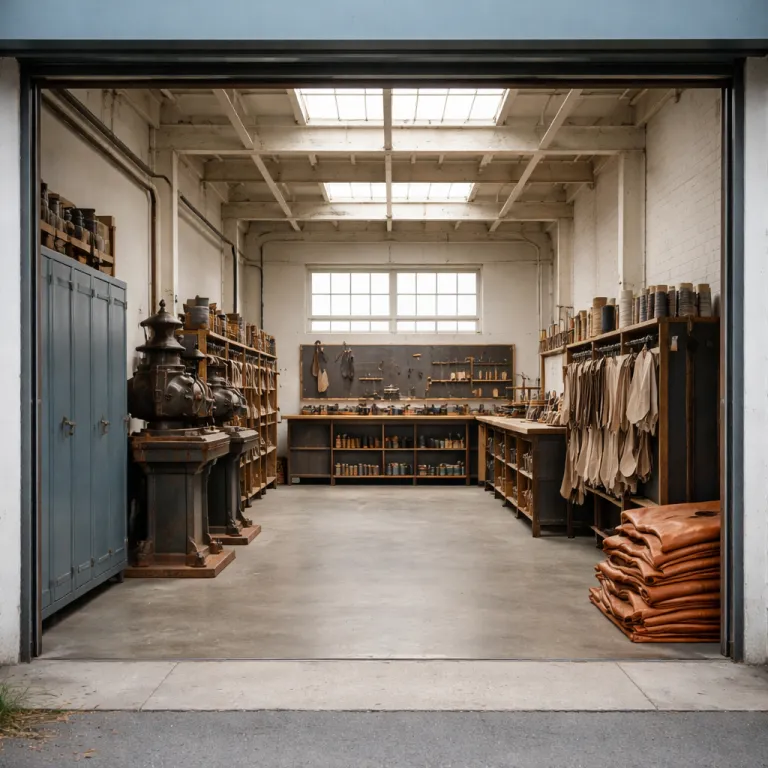
The new map of artisan leather workshop brands
Serious collectors are quietly shifting attention from logos to artisan leather workshop brands. They are comparing the regular price of a flagship bag against the unit price of labour hours, the quality of full grain leather, and the integrity of the workshop that stitched it. Once you start reading grain leather the way watch people read movements, the whole landscape of leather goods changes.
At the top sit heritage descendants, small ateliers linked to historic tanneries that still treat a tote bag or briefcase as a long term relationship rather than a seasonal drop. Alongside them you now find workshop trained soloists, often former bench workers from famous maisons, who run a one person shop where every leather wallet, tool pouch, or pen sleeve passes through the same pair of hands. Design led micro brands form a third group, using Italian or Japanese full grain hides but pushing contemporary style with slimmer bags, hidden pocket layouts, and modular tool systems for field notes and fountain pen carry.
The fourth category is the vertically integrated small maker, controlling everything from hide selection to final delivery and aftercare. These artisan leather workshop brands may run their own tannery or work with a single long term partner, which keeps the unit price transparent and the regular price to sale price gap refreshingly narrow. For a luxury leather bag owner used to polished flagships, their websites can feel almost too simple, yet the grain, the edge work, and the heavy duty stitching usually tell a far richer story.
Six workshops quietly defining the next generation of heirlooms
Italy, the United States, and Japan now host a dense constellation of artisan leather workshop brands that reward close attention. In Tuscany, small botteghe around Santa Croce use local full grain calf and tan leather from long standing tanneries, turning out compact bags and leather wallet designs whose regular price in euro often undercuts the price in USD for comparable mass luxury. When you view full collections in person, the consistency of grain leather and the clean, burnished edges separate them instantly from factory output.
Among Italian makers, Il Bisonte in Florence offers everyday tote bag and crossbody designs in vegetable tanned leather, with small bags often starting around the low hundreds in euro and lead times of a few days for in stock pieces. In the same region, Stefano Bemer is better known for footwear but collaborates with specialist workshops on briefcases and document holders that show the same obsessive edge finishing and hand stitching, typically priced in the mid to high hundreds depending on size and hardware.
Across the Atlantic, the American leather makers insurgency described by independent heritage blogs shows how long standing operations and one person garages coexist on the same street. A Midwestern workshop might specialise in heavy duty tool pouch designs and field notes covers, while a coastal studio focuses on slim tote bag silhouettes with discreet pocket layouts for a fountain pen and phone. Both types of shop often publish clear unit price breakdowns and realistic delivery windows, and their best sellers rarely go on deep price sale because production is capped by the maker’s own hands.
Two frequently cited examples are Lotuff Leather in Rhode Island, which produces structured work bags and travel pieces in full grain leather with typical prices in the mid hundreds to low thousands and quoted shipping within one to two weeks for standard colours, and Frank Clegg, whose Massachusetts workshop hand cuts and stitches briefcases and duffels with similar pricing but slightly longer waits for made to order options.
Japan adds another layer with micro ateliers in Asakusa and Kobe, where artisans treat every bag as a study in restraint. Expect obsessively even saddle stitching, subtle tan leather patina, and interior layouts that feel like a well organised desk drawer, with a place for a pen, a compact wallet, and a notebook. Well known names such as Ryuji Tannery’s partner studios in Tokyo and HERZ in Shibuya illustrate the spectrum, from one off commissions with lead times of several weeks to small batch backpacks and messenger bags that ship within a few days. For a deeper dive into how these artisan leather workshop brands are reshaping the luxury landscape, the analysis on the emergence of artisan leather makers in the luxury landscape offers useful context on why their bags and leather goods now sit beside iconic houses in discerning wardrobes.
Reading the signals: hobbyist versus professional artisan
When you handle enough artisan leather workshop brands, the difference between a gifted hobbyist and a professional becomes obvious. Start with edge work; a professional will sand, dye, and burnish edges until they feel like glass, even on the inside of a pocket or under a handle of a tote bag. Hobbyist pieces often show fuzzy, unfinished edges near the tool pouch opening or around the slot for a fountain pen.
Hardware choice is another hard signal, because serious workshops treat buckles and zips as structural components rather than decoration. Look for solid brass or stainless steel with a consistent finish, and check how the leather is skived and folded around each unit, since sloppy work here will fail long before the full grain panel does. Professional artisan leather workshop brands also publish clear information about regular price, sale price, and any price in USD or euro, instead of hiding behind vague “price on request” forms.
Commission ethics matter just as much as stitch density for a conscious luxury buyer. A serious shop will give you a realistic lead time, a transparent unit price, and clear terms on changes, refunds, and shipping orders, often with free shipping thresholds rather than manipulative countdown timers. If you are exploring bespoke options, the guide on how personalization is redefining luxury in the leather goods market pairs well with your own field notes, helping you frame requests for a leather wallet, a pen case, or a compact bag that respect the artisan’s process.
Commissioning bespoke without overpaying: realistic prices and timelines
Commissioning from artisan leather workshop brands should feel like a conversation between equals, not a blind leap into a mysterious order book. Begin by clarifying the intended use of the piece, whether it is a heavy duty tool pouch, a daily tote bag, or a compact wallet and pen set for meetings. This helps the maker propose the right full grain or top grain leather, the appropriate lining, and the correct hardware, all of which drive the regular price and any bespoke uplift.
For a mid sized bag in European full grain leather from a respected tannery, expect a base unit price that reflects roughly ten to fifteen hours of bench work. When converted to a price in USD, that often places the regular price well below a mass luxury equivalent, even before you factor in the absence of aggressive sale price cycles. A fair bespoke uplift for extra pockets, unusual tan leather colours, or custom fountain pen loops usually sits in the ten to thirty percent range, not the two or three times multiplier sometimes seen in over marketed shops.
Timelines are equally concrete once you understand capacity. A solo artisan handling all cutting, stitching, and finishing may quote eight to twelve weeks for a bag or leather wallet, while a small équipe can often halve that without compromising grain leather quality. Ask for written details on delivery, including any free shipping thresholds and how shipping orders are batched, and keep your own field notes on what you paid, in which currency, and whether any price sale or usd regular discount applied, so you can compare future commissions across different artisan leather workshop brands.
The legibility trap: why the best workshops often look quiet online
Some of the most serious artisan leather workshop brands have websites that feel almost unfinished. You may see a sparse shop page with a handful of bags, a single leather wallet, and a tool pouch or two, each shown in one angle with minimal styling. There is no carousel of lifestyle images, no flashing sale price banners, and sometimes not even a clear view full gallery link.
Rather than reading this as a lack of professionalism, treat it as an invitation to look harder at the details that matter. Zoom in on the grain leather, the stitching around each pocket, and the way the tan leather darkens near stress points, then compare that to the hyper polished imagery of mass brands whose unit price is mostly marketing. Many of these quiet workshops rely on word of mouth, repeat orders, and long term clients who care more about full grain panels and heavy duty thread than about a slick interface.
This restraint extends to pricing language, where you may see a simple regular price in USD or euro, perhaps a modest price sale during a rare archive event, and no psychological tricks such as slashed usd regular tags. For a deeper critique of how larger houses juggle volume and craft, the analysis of craft revival versus volume traps in major luxury leather goods offers a useful counterpoint to the understated confidence of small artisan leather workshop brands. As a collector, learning to read this quiet confidence is as important as learning to evaluate a fountain pen nib or the paper in your field notes.
Building a coherent collection around artisan leather workshop brands
Once you start favouring artisan leather workshop brands, your collection often shifts from impulse buys to deliberate systems. You might anchor it with a medium tote bag in tan leather, a compact leather wallet, and a slim crossbody bag, then add a tool pouch, a fountain pen case, and a field notes cover that all share compatible grain leather and hardware tones. The result is a wardrobe of leather goods that feels quietly cohesive rather than a random pile of best sellers from seasonal sales.
Think in terms of roles and rotations rather than trends. A heavy duty work bag in Italian full grain leather can handle travel and office duty, while a lighter piece in Japanese grain leather suits evenings and weekends, and a small wallet and pen sleeve live permanently in your jacket pocket. When you track the unit price and regular price across these pieces, you often find that the long term cost per wear undercuts many logo driven purchases, even when there is no dramatic sale price or free shipping promotion.
Reviews from other collectors can help, but prioritise those that mention stitch quality, edge finishing, and delivery reliability over vague praise about style. Keep your own field notes on how each bag or wallet ages, how the tan leather patinates, and whether the artisan honoured quoted timelines and shipping orders. Over time, this personal data set becomes more valuable than any marketing copy, guiding you toward the artisan leather workshop brands whose work you will still reach for many years from now.
Key figures shaping artisan leather workshop brands
- Industry surveys of affluent buyers consistently report a strong willingness to pay more for exceptional craftsmanship and historical legacy, which directly supports the pricing power of serious artisan leather workshop brands compared with mass luxury.
- Observers tracking American leather makers have noted a marked rise in small workshops and one person studios over the past decade, with heritage operations increasingly collaborating with independent artisans to share tooling and training, which broadens access to full grain leather expertise beyond big houses.
- Italian craft schools and private masterclasses in regions such as Tuscany and Veneto have expanded their leather programmes significantly in recent years, feeding a new generation of workshop trained soloists who often go on to open their own shop rather than join major brands.
- Surveys of conscious luxury buyers show that transparent information about unit price, sourcing, and delivery timelines ranks alongside design and brand name in purchase decisions, which explains why many artisan leather workshop brands now publish detailed process notes instead of relying solely on imagery.
FAQ about artisan leather workshop brands
How do artisan leather workshop brands justify higher prices than mainstream labels ?
They typically work with full grain or high grade grain leather from reputable tanneries, use time intensive hand stitching, and produce in very small units, so the regular price reflects labour and material rather than marketing. When you convert that to a price in USD and calculate cost per wear, many pieces compare favourably with mass luxury bags that rely on volume and frequent price sale cycles. Transparent unit price breakdowns and clear details on delivery and aftercare also add value for long term owners.
What should I look for when evaluating the quality of a workshop’s leather goods ?
Focus on edge finishing, stitch regularity, and the feel of the grain leather rather than just the overall style. Inspect how the leather is treated around stress points such as handles, pocket openings, and strap attachments, and check whether the workshop uses full grain panels or heavily corrected surfaces. Serious artisan leather workshop brands will also be open about their tanneries, hardware suppliers, and any guarantees on repairs or refurbishment.
Are bespoke commissions from small artisans always more expensive than ready made pieces ?
Not necessarily, because many workshops base bespoke quotes on a clear unit price plus a modest uplift for extra pattern work and fittings. A custom bag or leather wallet in tan leather may cost only ten to thirty percent more than a comparable ready made piece, especially if the maker already works in that size and style. The key is to agree on specifications, timelines, and any shipping orders or free shipping thresholds before paying a deposit.
How can I avoid delays or disappointment when ordering from a small workshop ?
Choose artisan leather workshop brands that communicate clearly about lead times, capacity, and delivery methods, and keep written confirmation of the agreed schedule. Ask for realistic windows rather than fixed dates, especially from solo makers who handle every unit themselves, and be prepared for minor variations that reflect hand work. Maintaining your own field notes on past orders, including price in USD, regular price, and actual delivery dates, helps you calibrate expectations for future commissions.
Do quiet online shops indicate lower professionalism compared with polished luxury websites ?
A minimalist website or sparse shop page often reflects a focus on bench work rather than digital marketing, especially among older artisan leather workshop brands. Evaluate the work itself by studying photos of stitching, edges, and grain leather, and by reading detailed reviews from experienced collectors rather than relying on glossy presentation. Many of the most respected workshops operate with understated online presences yet deliver exemplary bags, wallets, and tool pouches that age beautifully.