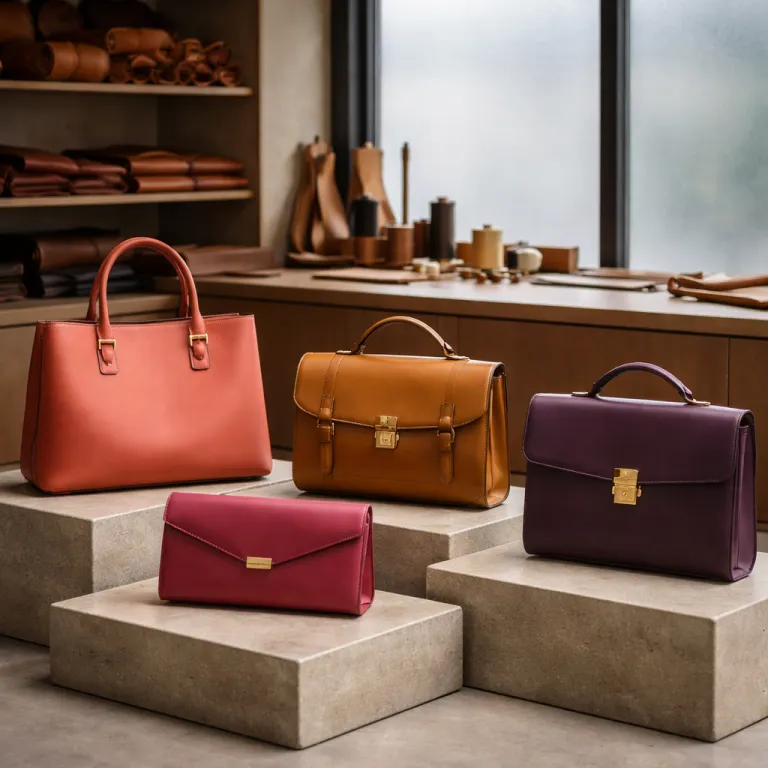
The value equation: how to read the real price of a bag
A luxury leather bag only earns its price when materials, labour, design, and brand premium stay in rational balance. When you handle enough bags and handbags, you start to feel instantly whether the leather and hardware justify the invoice or whether you are paying mainly for a logo and a marketing campaign. The goal is simple yet demanding; you want leather goods where the cost reflects workmanship and longevity, not just designer handbag brands with impressive boutiques.
Start with the leather itself, because no designer can rescue poor hides. Full grain calf, box leather, and well finished pebbled leather age with a dense, slow patina, while corrected grain or coated faux leather crack and peel long before the rest of the handbag fails. Run your hand along the shoulder of the hide on a shoulder bag or work bag and notice whether the grain feels alive and cool or plasticky and flat.
Then look at labour and construction, which separate the best makers from the merely loud brands. High quality saddle stitching, clean edge paint, and a stable shape around stress points like the top handle or shoulder strap show that a designer handbag has been built for decades of work, not just one season of selfies. If you can see loose stitches on a mini bag, misaligned hardware on a tote, or a wavy zipper on a bucket bag, you are staring at a brand premium that is not backed by real quality.
Heritage houses where the premium still buys craft
Some luxury leather labels have earned their reputation through relentless discipline rather than advertising. Hermès, Delvaux, Valextra, and Berluti are textbook examples where the cost of a designer bag reflects hand stitching, controlled production, and leather sourced from top European tanneries. Public filings from Hermès International, for instance, have reported very high operating margins in recent years, which analysts interpret as a mix of pricing power, scarcity, and sustained demand for meticulous craft. These houses treat each handbag as a long term object, not a seasonal accessory.
Hermès keeps its work in house, with artisans trained for years before they touch a Birkin or Kelly bag. That training shows in the way the leather panels align, the way the hardware sits flush, and the way the bag keeps its shape even when used as a demanding work bag that carries a tablet or a small inch laptop. Resale markets confirm the strength of these heritage handbag brands, because their bags often retain or even exceed their original value; annual reports and market commentary from major resale platforms regularly highlight Birkin and Kelly models as outliers that can sell above original retail.
Valextra and Delvaux operate with a quieter profile but similar respect for craft and quiet luxury. Their designer handbags use structured silhouettes, precise top handle construction, and subtle hardware that lets the leather and design speak first. Many of their signature pieces, such as the Valextra Iside or Delvaux Brillant, are built from hides tanned in long established Italian and French tanneries known for controlled grain and consistent colour. If you want an affordable luxury alternative to the most hyped logo bags, these brands offer high quality leather, disciplined style, and long term wear that feels appropriate in both boardrooms and relaxed weekends.
For readers who want to refine their selection of multi compartment pieces for daily life, focus on how many sections you genuinely use, whether the zippers and snaps are easy to reach in motion, and how the bag balances when carried crossbody or by the top handle; this is the same logic you would apply when choosing a multi sac purse for a luxury lifestyle.
When you are mostly paying for a logo: warning signs
Not every luxury brand that sells leather bags offers value that matches its prices. Some designer handbag labels allocate more budget to celebrity campaigns than to tanneries or artisans, and the result is a handbag that feels tired after two seasons. Your task as an owner is to separate the few top performers from the many logo driven brands.
Look closely at the interior of any shoulder bag or tote before you commit. If the lining feels thin, the pockets sag, or the hardware plating looks brassy after a few weeks, you are seeing the cost cutting that hides behind a glossy logo. A true luxury handbag should have zippers that glide, clasps that close with a clean click, and leather tabs that do not fray where your fingers and a water bottle constantly rub.
Pay attention to how often a brand changes its shapes and finishes. When handbag brands chase trends with endless mini bags, oversized logos, and fragile chain straps, they are signalling that they expect you to replace the bag before construction issues appear. A logo heavy designer bag might still be enjoyable, but if the leather is thin, the structure collapses, and the style dates quickly, it is unlikely to belong in the small circle of pieces that truly justify their luxury price tags.
If you are considering statement small goods alongside larger bags, think about how often you handle a wallet compared with a tote. An alligator wallet, for example, concentrates rare material and meticulous finishing into a compact object that you touch every day, which is why some men treat it as a discreet status symbol that complements a broader evaluation of leather quality and long term value.
Mid range makers that quietly deliver luxury grade construction
Between mass market handbags and the rarefied heights of Hermès sits a group of makers that often offer the best value. These are not always the most famous names, yet their work can rival or exceed better known designer handbags. They invest in leather and construction while keeping marketing budgets modest.
Names like Lotuff, Frank Clegg, and Ettinger illustrate this mid range sweet spot. Their work bag designs use full grain leather, solid brass hardware, and hand finished edges that would not look out of place beside a top tier luxury handbag in a private office. Many of their totes and shoulder bag styles can carry a 13 to 15 inch laptop without losing shape, which makes them practical companions for demanding professional lives.
Alongside these artisans, some contemporary brands such as Mansur Gavriel and selected lines from Tory Burch and Marc Jacobs offer affordable luxury options that still feel considered. A Mansur Gavriel bucket bag in vegetable tanned leather, a Tory Burch top handle work bag in pebbled leather, or a Marc Jacobs mini shoulder bag can all deliver high quality daily use if you choose carefully within each brand. In this tier, you are often paying for thoughtful design and solid materials rather than a heavy brand premium, which aligns closely with the idea of paying for construction and durability instead of pure status signalling.
| Segment | Typical materials | Construction details | Expected lifespan* | Price & resale pattern* |
|---|---|---|---|---|
| Heritage houses (e.g. Hermès, Delvaux) | Full grain calf, box leather, exotic skins | Hand stitching, in house workshops, strict quality control | 10–20+ years with care | Very high prices; selected models can hold or exceed retail |
| Mid range artisans (e.g. Lotuff, Frank Clegg) | Full grain cowhide, bridle leather | Small batch production, reinforced stress points | 8–15 years of regular use | Moderate to high prices; modest but steady resale |
| Logo driven fashion labels | Mixed leather quality, coated fabrics | Machine stitching, frequent design changes | 3–7 years before visible fatigue | High prices; resale depends heavily on trends |
*Indicative ranges based on typical market observations rather than guarantees.
Global icons: louis vuitton, marc jacobs, and the quiet luxury pivot
Louis Vuitton sits in a complex position in any discussion of value in high end leather goods. The brand built its reputation on travel trunks and coated canvas, yet its full leather bags and handbags now compete directly with other top luxury houses. When you evaluate a Louis Vuitton designer bag, you must separate the durable but less luxurious canvas from the genuinely refined leather lines.
For canvas pieces, you are often paying for heritage, design, and global recognition more than for rare materials. A Louis Vuitton tote in Monogram canvas can be an excellent work bag because it resists scratches, carries a water bottle and documents, and keeps its shape, but it does not offer the same tactile pleasure as a soft calf leather shoulder bag from a more craft focused brand. When you move into Louis Vuitton leather handbags, especially in the more understated collections, the balance between price and quality improves significantly.
Marc Jacobs operates at a different price point yet plays an interesting role in the affordable luxury space. Its designer handbags, from the Snapshot mini bag to more structured shoulder bag and tote designs, often use pebbled leather and straightforward hardware that feel honest for the price. When you choose the quieter, less logo heavy styles, Marc Jacobs can be part of a personal ecosystem of well made leather accessories, especially for casual days when you want style and function without the formality of a heritage briefcase.
Function, format, and daily life: choosing the right shape
Value in luxury leather is not only about tanneries and stitch counts. A bag that does not suit your daily work, travel, and social rhythm will never feel like a wise investment, no matter how refined the leather. Matching shape, size, and interior layout to your life is where connoisseurship becomes personal.
For office heavy weeks, a structured work bag or tote that can carry an inch laptop, documents, and a discreet water bottle without distorting is essential. Look for a shoulder bag or top handle design with a reinforced base, balanced strap drop, and hardware that can handle real weight. A luxury handbag that collapses under a laptop is a sculpture, not a tool, and tools are what you need when you move between meetings and flights.
On lighter days, a mini handbag, compact bucket bag, or small designer bag can be perfect. Here, quiet luxury shines; a simple pebbled leather crossbody with minimal branding from one of the better handbag brands will age more gracefully than a loud logo piece. When you build a small rotation of bags and handbags that cover work, travel, and evening, you start to experience which makers truly feel fairly priced in your own hands.
If you want a deeper dive into how compartmentalisation and multiple carrying options affect real world usability, analyse how many items you carry every day, how often you need quick access to a phone or cardholder, and whether you prefer adjustable straps or fixed handles; this mirrors the framework used in detailed guides to choosing the perfect multi sac purse for a luxury lifestyle.
Tariffs, sustainability, and the hidden costs behind your handbag
Price tags on luxury leather bags now reflect more than just materials and labour. Tariffs, currency shifts, and sustainability claims all influence whether a piece feels fairly priced. Understanding these forces helps you judge value beyond the boutique lighting.
Recent tariff increases on leather goods have pushed retail prices higher in markets such as the United States, sometimes by noticeable double digit percentages in a short period. Analyses of trade policy from economic research institutes and industry groups have estimated that certain rounds of tariffs on imported handbags and small leather goods raised shelf prices by roughly one third in the short term. That means two identical designer handbags can cost noticeably different amounts depending on where you buy them, even when the leather, hardware, and construction are identical. When a brand uses tariffs as an excuse for broader price hikes, you may find that the premium no longer aligns with the underlying quality.
Sustainability adds another layer of complexity, as many brands now promote eco friendly leather or faux leather alternatives without full transparency. Before accepting these claims, look for clear information on tanning methods, traceability of hides, and repair services. Critical analyses of greenwashing in luxury leather have shown how marketing language can obscure real environmental impacts. A truly high quality luxury handbag, whether made from traditional leather or advanced alternatives, should combine honest sourcing, durable construction, and a design that keeps it in use for many years, which is the ultimate test of long term value.
Key figures that frame value in luxury leather
- Hermès has reported operating margins that rank among the highest in the luxury sector, which indicates both strong pricing power and a client base willing to pay for perceived craft and scarcity rather than discounts or volume.
- Resale data from major platforms consistently show that Birkin and Kelly bags can retain or even exceed their original purchase price, making Hermès one of the few handbag brands where a luxury handbag can function as both an accessory and a financial asset.
- Chanel has implemented repeated price increases on its Classic Flap bags over the past decade, with some reports noting mid single digit percentage rises in a single year, which has pushed many buyers to consider alternative makers that feel more reasonably priced.
- Analyses of trade policy impacts have estimated that recent tariffs on imported leather goods into the United States have raised retail prices by around one third in the short term, which directly affects the perceived value of designer handbags in that market.
- Market studies comparing artisan makers with major luxury houses show that some mid sized workshops deliver comparable leather quality and construction at a fraction of the cost, often between one third and one half of the price of a similarly sized designer bag from a global brand.
FAQ
How can I tell if a luxury leather brand is worth the price ?
Assess the leather quality, stitching, hardware, and interior finishing before you look at the logo. Full grain leather, clean saddle stitching, solid metal hardware, and a stable shape under real weight signal that a bag is more than a marketing exercise and has been built for long term use.
Are canvas bags from heritage brands good value compared with full leather bags ?
Canvas bags from houses like Louis Vuitton offer durability and recognisable style, but they do not provide the same tactile richness as full leather bags. They can still be good value if you prioritise resilience, lightness, and weather resistance over the sensory experience of high quality leather.
Which mid range brands offer the best balance of quality and price ?
Artisan makers such as Lotuff, Frank Clegg, and Ettinger often deliver construction and leather quality that rival more famous designer handbags at significantly lower prices. Selected lines from Mansur Gavriel, Tory Burch, and Marc Jacobs also provide affordable luxury options when you choose their quieter, better made designs.
Does resale value matter when choosing a luxury handbag ?
Resale value is a useful signal of how the market judges a brand’s quality, desirability, and durability over time. While you should buy primarily for personal use, strong resale performance from brands like Hermès and some Louis Vuitton lines indicates that these pieces are widely seen as reliable stores of value.
Is faux leather ever a good choice for luxury bags ?
High end faux leather can be appropriate if you prioritise animal free materials, but it rarely matches the ageing and repairability of top tier natural leather. If you choose faux leather, focus on brands that are transparent about composition, durability testing, and long term care so that the bag still feels like a considered investment rather than a disposable accessory.