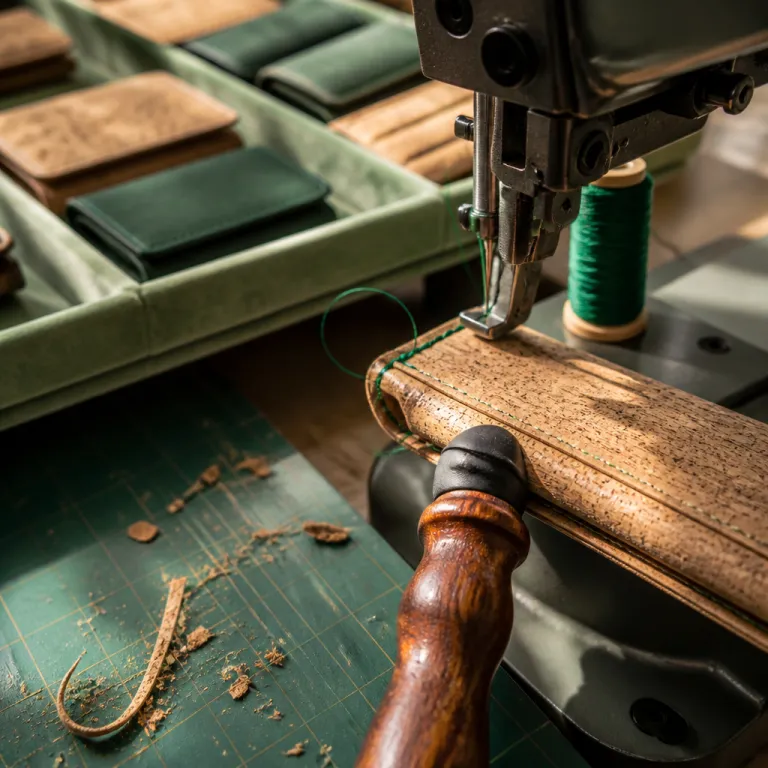
From full grain to natural cork wallet elegance
Many luxury leather good owners now add at least one cork wallet to their rotation. A refined cork wallet offers a different tactile story while still pairing effortlessly with a Hermès bag or a bespoke briefcase, and it lets you signal a thoughtful stance on vegan alternatives without sacrificing sophistication. When you handle high quality natural cork in wallets, you immediately notice how the material feels warm, light, and quietly luxurious.
Unlike coated synthetics, natural cork is harvested from cork oak bark every nine to twelve years without felling the tree, which makes a cork wallet an eco friendly statement piece rather than a compromise. The best cork wallets use small cork tiles or continuous sheets that are pressed and finished to mimic the drape of soft calfskin, and this structure gives a slim cork profile that still resists scratches and stains in daily use. Independent abrasion tests published by Portuguese cork industry bodies indicate that premium cork composites can withstand tens of thousands of rub cycles, so for collectors used to comparing regular price and sale price on exotic skins, the unit price of a premium cork wallet often feels surprisingly accessible while still aligning with a high end lifestyle.
Owners who usually carry a bifold wallet in brown leather often start with a minimalist cork wallet for weekends or travel. A compact holder wallet with a secure zipper for coin storage and a central cork card compartment slides easily into a small evening bag, and the light weight of small cork formats is noticeable when compared with dense full grain leather. When you evaluate the price cork ratio against longevity, a well made cork wallet bag or zipper wallet can sit comfortably beside your established leather pieces rather than replacing them outright, especially when the cork layer is around 0.5 to 0.8 millimetres thick and bonded to a durable textile backing.
Vegan luxury and the role of cork wallets
For clients exploring vegan options, cork wallets occupy a very different space from mass market synthetics. A carefully finished cork wallet offers a plant based, vegan alternative that still feels organic and substantial in the hand, and it avoids the plastic sheen that often undermines faux leather wallets for women and men. When you pair a natural cork wallet with a structured leather bag, the contrast between materials can look intentional and curated rather than accidental.
Luxury maisons are testing mushroom, cactus, and other bio based materials, yet many of these remain experimental compared with the proven durability of cork wallets. Analyses of new vegan leathers show that some still rely heavily on polyurethane binders, while cork card surfaces are primarily natural cork with minimal synthetic support, which matters if you care about long term aging and patina. For a deeper view on how emerging materials compare to traditional hides, many connoisseurs study independent reviews of new leathers that still fall short of full grain before committing to a full collection shift, often consulting lab reports that specify tensile strength, flex resistance, and hydrolysis performance.
Owners who already track the regular price of exotic skins will notice that the price sold for a high end cork wallet often reflects craftsmanship rather than scarcity. A bifold wallet in natural cork with a precise zipper coin pocket and rfid blocking lining can be positioned as a daily driver, while your more delicate leathers stay reserved for formal occasions. When you choose a slim cork holder wallet as a vegan piece, you are not only reducing animal based purchases but also supporting cork forests that play a role in Mediterranean biodiversity and carbon storage, since well managed cork oak stands can store several tonnes of carbon per hectare over their lifetime.
Design details that matter in a cork wallet
Discerning owners judge a cork wallet by the same criteria they apply to leather goods. Stitch density, edge finishing, and the alignment of each card holder slot all influence how a cork wallet feels when you open it at a restaurant or a boutique. A minimalist design with a slim cork profile often works best, because it lets the natural cork grain and subtle color variations remain the focus.
Functionally, the internal layout of cork wallets deserves close attention, especially if you rotate between several bags. A well considered holder wallet will combine a central cork card compartment, two or three external card holder slots, and a discreet zipper coin pocket that does not distort the silhouette when full. If you prefer a bifold wallet, look for a configuration where the wallet bag closes flat even when every card holder is occupied, since cork can be flexible but should not be forced into unnatural bulges, and check that the lining fabric is tightly woven so cards slide smoothly without fraying the cork edges.
Security features also influence the perceived value and price of a cork wallet in a luxury context. Many premium cork wallets now integrate rfid blocking fabrics between the natural cork outer and the lining, which protects contactless cards without adding noticeable thickness. When you compare regular price and price sale offers, verify that the rfid specification, zipper quality, and interior lining match the standards you expect from high quality faux leather alternatives reviewed by specialist publications, and look for references to shielding frequencies around 13.56 MHz, which is the band used by most contactless payment cards.
Pricing, value, and how to read cork wallet offers
Evaluating the price of a cork wallet requires the same discipline you already apply to leather goods. Instead of focusing only on the lowest sale price, consider the unit price relative to craftsmanship, natural cork quality, and the complexity of the holder wallet design. A very low price cork offer often signals thin cork veneers over heavy synthetics, which will not age gracefully beside your established collection.
Retailers sometimes present a regular price and a temporary price sale for cork wallets, especially when introducing new minimalist or bifold wallet lines. When you see a large gap between regular price and sale price, ask whether the wallet bag uses full panels of natural cork or smaller offcuts, and whether the zipper wallet hardware is stainless steel or a cheaper alloy. As a practical benchmark, many mid range cork wallets sit roughly in the same bracket as well made calfskin card holders, while entry level pieces can be closer to coated canvas; the most transparent maisons clearly state the unit price per size, the origin of the cork, and whether free delivery is included, which helps you compare offers across different regions.
For owners who already track the price sold of limited leather editions, cork wallets can feel refreshingly rational. A slim cork card holder with rfid blocking and a compact zipper coin pocket often sits in the mid range of luxury accessories, yet it offers strong eco friendly credentials and practical daily utility. When a retailer lists a bag regular price that includes a matching cork wallet bag or small cork pouch, evaluate whether the bundle genuinely adds value or simply masks a higher effective price by comparing the combined cost with the individual unit price of each item.
Pairing cork wallets with existing luxury leather collections
Integrating a cork wallet into a mature leather collection is less about replacement and more about complementarity. A brown natural cork bifold wallet can echo the tones of your favorite tan briefcase while signaling a modern, eco friendly sensibility. For evenings, a small cork zipper wallet used as a holder wallet slips neatly into a clutch or mini bag without adding weight.
Owners who rotate several wallets often assign specific roles to their cork wallets. One minimalist slim cork card holder with rfid blocking might be reserved for travel, carrying only essential cards and a few notes, while a larger cork wallet bag with a zipper coin compartment handles daily errands. This functional segmentation lets you keep exotic skins away from harsher environments, extending the life of your most precious pieces.
Styling also matters when pairing cork with leather in women’s and men’s wardrobes. Natural cork surfaces sit beautifully against smooth box calf or grained taurillon, and the contrast between a structured leather bag and a relaxed cork wallet creates visual interest. When you read analyses about how the European Union now treats leather in deforestation regulations, you can position your cork wallet choices as part of a broader, informed approach to responsible luxury, especially if you already track traceability reports for your main leather bags.
Ethical and environmental context for cork wallet choices
Choosing a cork wallet is not only a design decision but also an ethical one. Cork oak landscapes in Portugal and Spain support local communities and wildlife, and harvesting bark for natural cork wallets does not require cutting down the trees. This regenerative cycle aligns well with the expectations of luxury owners who want vegan or reduced impact options without moving entirely to synthetics.
From an environmental perspective, cork wallets offer several advantages over many plastic based vegan wallets. Natural cork is biodegradable under the right conditions, and when combined with durable linings and rfid blocking fabrics, it can deliver long service life before recycling or repurposing, which reduces overall material throughput. By contrast, some low cost vegan wallets rely heavily on fossil fuel derived polymers, which may conflict with the values of clients who already scrutinize sourcing for their leather bags and accessories, particularly those who follow life cycle assessments comparing cork, polyurethane, and PVC based materials.
Ethical considerations also extend to labor and transparency around price. When a maison explains how the regular price of a cork wallet reflects fair wages, responsible cork harvesting, and high quality zipper wallet hardware, you can justify the investment as part of a coherent value system. As regulatory frameworks evolve and conscious buyers examine both leather and vegan alternatives more closely, a carefully chosen cork wallet or cork card holder can serve as a visible, daily reminder of your commitment to thoughtful luxury.
Key figures shaping the future of cork wallets
- Industry bodies report that Portugal remains one of the leading global sources of cork, and an increasing share of that natural cork now goes into fashion and accessories rather than only wine stoppers, which diversifies income for cork oak regions.
- Independent life cycle assessments generally indicate that well managed cork products can have a lower overall carbon footprint than many synthetic materials, particularly when sourced from long standing cork oak forests that continue to store carbon over time.
- Market research on vegan fashion consistently shows that plant based materials, including cork, are expanding faster than conventional faux leather alternatives, with strong growth in premium segments focused on wallets and small leather goods.
- Surveys of luxury consumers suggest that a growing share of younger high net worth buyers consider sustainability attributes, such as eco friendly materials and transparent pricing, as decisive factors when choosing wallets and bags.
FAQ about cork wallets for luxury owners
How durable is a cork wallet compared with leather
A high quality cork wallet can last many years when properly cared for. The material is naturally water resistant and resilient, and when combined with good stitching and strong zipper hardware, it withstands daily use similar to mid weight leather. Avoid overstuffing card holder slots or exposing the wallet to extreme heat, and it will age with a soft, elegant patina.
Can a cork wallet be considered truly vegan
Cork itself is a plant based material harvested from cork oak bark, so the outer of a cork wallet is vegan. To ensure the entire piece is vegan, verify that the lining, adhesives, and any finishes are free from animal derived components. Many specialist brands now certify their cork wallets as fully vegan and provide documentation on request.
Does rfid blocking work well in slim cork wallets
RFID blocking in cork wallets relies on a metallic or conductive fabric layer placed between the natural cork exterior and the interior lining. This layer can be extremely thin, so even a slim cork card holder can provide effective protection for contactless cards. When evaluating a holder wallet, look for clear rfid blocking specifications rather than vague security claims.
How should I clean and maintain a natural cork wallet
Maintenance for a cork wallet is straightforward and does not require conditioners used for leather. Wipe the surface gently with a soft, slightly damp cloth, then let it air dry away from direct sunlight, and avoid harsh detergents or solvents. Storing the wallet flat and not overfilled will help preserve the shape of card holder slots and zipper coin compartments.
Is a cork wallet appropriate with very formal luxury attire
A well designed cork wallet in a restrained color such as brown or natural beige can complement formal attire, especially when the finish is smooth and minimalist. Many owners reserve a slim cork bifold wallet or card holder for travel and business events where an eco friendly statement feels appropriate. For black tie occasions, some still prefer classic leather, but a refined cork piece will not look out of place in most high end settings.
