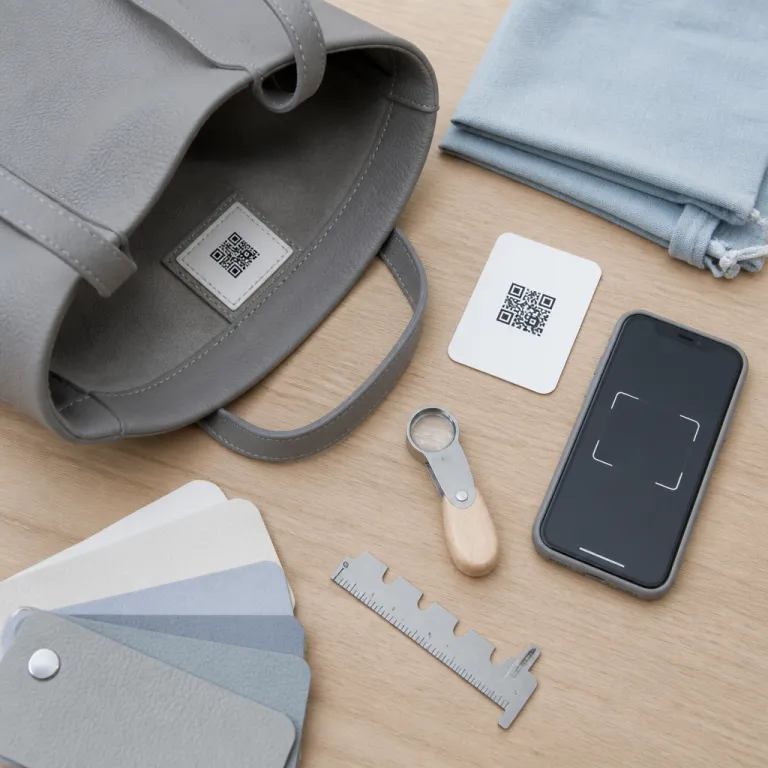
From swing tag to screen: how QR codes rewrote the luxury label
The small square on your swing tag or lining is no longer just a technical curiosity. That luxury leather bag traceability QR code is now positioned as a gateway to the product story, the digital product passport, and the brand’s conscience. For owners of luxury goods who care about ethical sourcing, that shift from paper label to persistent digital record changes how you read every new purchase.
Scan a typical code on high end leather goods and you will usually see product identification, a reassuring authentication message, and sometimes the manufacturing location. Some luxury brands extend this to basic material information, such as whether the bag uses full grain or corrected grain leather, and they may reference quality control steps or batch number data. This is where the language of traceability, sustainability, and compliance enters the picture, but often in a way curated more for marketing than for rigorous supply chain transparency.
For a conscious buyer, the promise is seductive because the luxury leather bag traceability QR code suggests a complete history in one tap. The reality is that the digital layer can be as selective as traditional packaging copy, only now wrapped in the aura of technology and sometimes blockchain. The critical question becomes not whether the product has digital passports or NFC chips, but which parts of the journey from raw material sourcing to finished products the codes actually illuminate.
What your bag’s QR code usually reveals — and why it feels reassuring
Most luxury brands now use a luxury leather bag traceability QR code to anchor basic product data that once lived only on a card tucked into the packaging. You will typically see the product type, model reference, sometimes the country of assembly, and a confirmation that the item is an authentic piece of luxury leather goods. For many buyers this already feels like progress, because the digital product interface appears more precise and less forgeable than a printed label.
Some european and global brands go further and connect the QR codes to warranty registration, care instructions, and after sales services. In those cases the digital passports can log repairs, document quality control interventions, and even track how long the goods have been in the market before reaching you. When done well, this creates a sense of continuity over many years experience of ownership, especially when the same system covers several products from the same leather brands or luxury brands.
On the sustainability side, a few houses now use the QR label to state that the leather comes from tanneries audited by initiatives such as Leather Working Group, or that the material sourcing complies with certain european regulations. This is where ethical sourcing claims start to appear, often framed in broad terms about responsible material and reduced impact. If you are serious about ethical sourcing in leather goods, this is the moment to move from passive reading to active questioning, using guides on responsible sourcing in luxury leather such as this in depth analysis of sourcing rules in luxury leather as a reference point.
The silences behind the screen: what QR codes rarely tell you
For all their digital polish, most QR codes on luxury goods are remarkably quiet about the most sensitive parts of the supply chain. The luxury leather bag traceability QR code will often omit the tannery name, the country or region where the hide was sourced, and any detail about the chemical processes used to transform raw material into finished grain leather. You may see a general statement about sustainability or compliance with european norms, but not the specific audit scores, water usage, or emissions data that would allow real comparison between products and brands.
This selective transparency is not accidental, because tannery level information is commercially and reputationally delicate in a competitive market. Many leather brands still work with multiple tanneries across Europe and beyond, and they may not want buyers to know that a supposedly french icon relies on material from outside France for certain price points or product lines. Even when luxury brands participate in initiatives such as the Aura Blockchain Consortium, the blockchain only secures the data that is entered ; it does not force anyone to reveal the full story of material sourcing or ethical sourcing.
There is also a quieter omission around animal origin and farming conditions, which matter deeply to sustainability minded buyers. The QR label might say “European leather” without specifying whether the hides came from northern european dairy herds or mixed origin slaughterhouses with weaker welfare oversight. If you want to go beyond surface level claims, pairing the digital product passport with independent perspectives on sourcing practices, such as the craft focused review of responsible leather sourcing at Bellwright’s approach to sourcing leather, can help you frame sharper questions.
Blockchain, digital passports, and the limits of technical trust
The Aura Blockchain Consortium, created by groups such as LVMH, Prada, and Cartier, is often cited as the future of luxury leather bag traceability QR code systems. In this model, each product is assigned a unique digital identity that can be followed from raw material through manufacturing to the retail shelf, with data anchored on a blockchain ledger. For a buyer, scanning the codes on luxury goods linked to Aura can reveal where the bag was assembled, which entity performed quality control, and sometimes which certified tannery supplied the leather.
Yet the paradox of digital trust is that blockchain guarantees integrity, not completeness, of the information that brands choose to record. A perfectly verified product passport can still omit the most controversial steps, such as the exact farm of origin, the full list of tanning chemicals, or the environmental performance of each supplier in the supply chain. This is why the coming wave of EU Digital Product Passport regulation for fashion goods will matter ; it will set minimum transparency requirements, but there will still be a gap between legal compliance and the deeper ethical sourcing standards that many buyers expect.
For owners of high end leather goods, the practical takeaway is to treat any digital product system as a starting point, not the final word. Ask whether the luxury brands you support use NFC chips or QR codes only for anti counterfeiting, or whether they also share robust data on material sourcing, circular economy initiatives, and repair options. When a brand talks about full grain or premium grain leather at specific price points, ask how that claim is documented in the product passport, and whether the same rigor applies across all product types, from small leather goods to larger travel pieces.
Reading between the pixels: how to interrogate your bag’s QR code
When you next scan a luxury leather bag traceability QR code, start by mapping what you see against what is missing. You should expect at least clear product identification, batch number or equivalent, manufacturing location, and straightforward care instructions that match the actual material used. If the bag is sold as full grain or premium grain leather, the digital record should say so explicitly, because vague references to “genuine leather” on luxury goods are no longer acceptable at serious price points.
Then move to the sustainability and ethical sourcing claims, which are often the most nuanced part of the digital product story. Look for concrete references to third party standards, such as Leather Working Group audits, and check whether the brand distinguishes between different products and product types rather than applying one generic statement to all leather goods. Ask whether the QR label or associated digital passports explain how offcuts are handled, whether there is any circular economy program for take back or resale, and how long the brand commits to supporting repairs over the years experience of the bag’s life.
Finally, remember that technology can be used to distract as well as to inform, especially when exotic materials or unusual narratives enter the market. If a brand leans heavily on storytelling about rare hides or experimental tanning, as seen in debates around dinosaur hide in luxury handbags, ask whether the QR codes provide proportionate detail on material sourcing, welfare, and environmental impact. The most trustworthy brands will welcome precise questions about their supply chain, from farm to tannery to atelier, and will treat your curiosity as part of the quiet contract that defines true luxury.
Where regulation is heading and what discerning owners should expect next
Regulators in Europe are moving toward a future where every fashion product, including luxury leather goods, carries a standardized digital product passport. For owners of high end bags, this means that the luxury leather bag traceability QR code will gradually shift from a voluntary marketing tool to a regulated label with minimum data fields. You can expect more structured information on material composition, country of origin, and end of life options, all framed within a broader circular economy agenda.
However, there will still be a difference between brands that aim for basic compliance and those that embrace ethical sourcing as a core value. The former will likely provide only the data required by european law, while the latter will use digital passports, NFC chips, and other technologies to share richer narratives about material sourcing, tannery performance, and long term repair commitments. As a buyer, your willingness to reward the second group with your spending power will shape how the market evolves over the next decade.
In practical terms, start building your own quiet checklist for every new purchase, covering product origin, leather type, quality control process, and the depth of traceability offered by the QR codes. Compare how different leather brands and luxury brands handle transparency across their ranges, from entry level price points to flagship pieces, and notice whether the story holds together. The more you treat each scan as the beginning of a conversation rather than the end of your research, the more your collection will reflect not only impeccable taste but also a considered stance on how luxury goods should be made.
FAQ
Does a QR code guarantee that my luxury bag is ethically sourced ?
A QR code on a luxury bag does not automatically guarantee ethical sourcing, because it only reflects the information that the brand chooses to share. Some brands use the system to provide meaningful data on material sourcing and tannery audits, while others limit it to authentication and marketing content. You still need to look for concrete references to standards, ask follow up questions, and compare how different products handle transparency.
What is the difference between a QR code and a digital product passport ?
The QR code is simply a gateway that links your phone to online information, while the digital product passport is the structured dataset that may sit behind that link. A passport usually includes standardized fields on material, origin, and lifecycle, especially under emerging european regulations. In luxury leather goods, some brands already use QR codes to access early versions of these passports, but the depth of information varies widely.
Should I trust blockchain based traceability more than traditional labels ?
Blockchain based systems such as those used by the Aura Blockchain Consortium can improve data integrity by making it harder to alter records after the fact. However, they do not force brands to include every step of the supply chain, so important details about farms, tanneries, or chemicals can still be omitted. Treat blockchain as a useful tool, but judge each brand by the completeness and clarity of the information it records, not just the technology it uses.
What information should I expect to see when I scan a luxury bag’s QR code ?
At a minimum you should see product identification, confirmation of authenticity, manufacturing location, and care instructions that match the actual leather type. Better systems will also show material sourcing details, references to independent audits, and information about repair or take back programs. If the QR code reveals less than what is printed on the packaging, that is a sign to ask the brand for more.
How can I compare traceability between different luxury brands ?
Scan QR codes on several products and note which brands provide specific data on tanneries, origin, and environmental performance, rather than generic sustainability statements. Pay attention to whether the same level of detail appears across different price points and product types, not just on flagship pieces. Over time you will see clear patterns, and you can align your purchases with the houses that treat transparency as part of their definition of luxury.