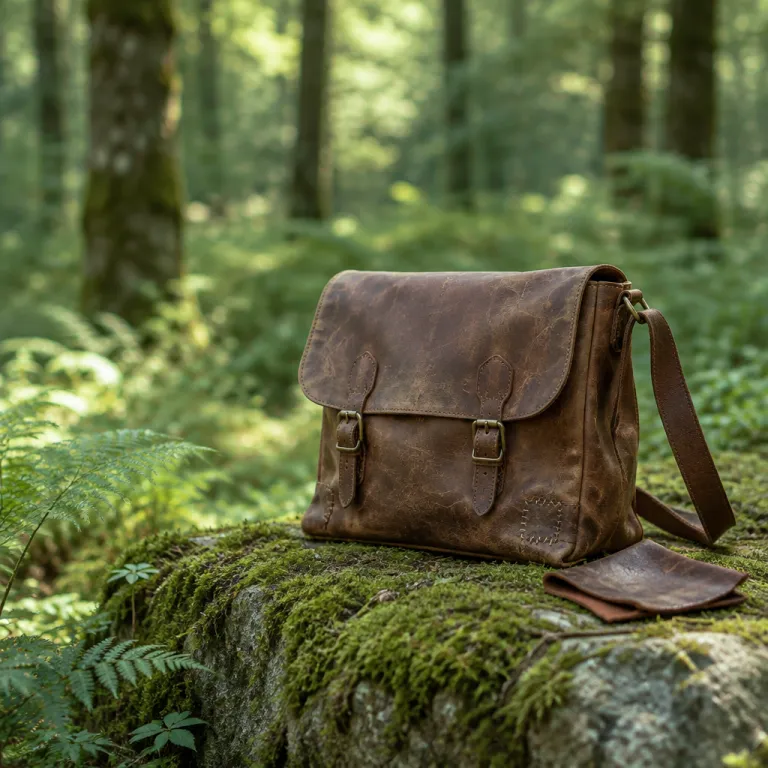
Why second hand leather is the most honest luxury
A serious buying second hand leather bags guide starts with motive. When you choose a pre owned leather bag, you are paying for material, craft and time already embedded in the hide, not for fresh marketing. A well chosen leather bag from the secondary market often delivers high quality, durable performance for years while quietly lowering your environmental footprint.
Think of it this way ; a piece made from full grain leather has already survived the most demanding phase of its life, which is the first years of daily use when leather develops its initial patina. If the leather goods in front of you still feel supple, the grain still looks tight, and the bag structure remains true, the material has proved its quality under real conditions. That is why any serious guide to second hand leather bags treats past wear as data, not as a flaw.
The sustainability argument is equally concrete. Vegetable tanning and chrome tanning both consume water, energy and chemicals, so every time you extend the life of real leather you amortize that impact over a longer time. A high quality leather bag that has been carried for ten years and will serve you for ten more is a better environmental outcome than two or three new bags with shorter lives, even if each uses the best leather available. Buying second hand leather bags becomes a form of quiet activism when you deliberately choose durable material over seasonal novelty.
There is also a financial realism that seasoned collectors appreciate. Market data on luxury resale shows that many leather bags trade at roughly half of retail while retaining decades of structural life, especially when they are made from full grain leather or carefully tanned leather from reputable European tanneries. Analysing how tariffs and pricing structures relate to actual construction quality, as explored in this in depth look at what bags are really worth, helps you see when a pre owned piece offers leather high value rather than just a lower ticket. In that sense, a thoughtful buying second hand leather bags guide is less about bargain hunting and more about paying precisely for quality leather and nothing else.
Reading the skin: grain, tanning and the language of wear
Every serious buying second hand leather bags guide begins with the surface of the hide. Grain is not a decorative idea ; it is the fingerprint of the animal and the map of how the leather will age over time. When you learn to read grain leather properly, you stop asking whether a bag looks new and start asking whether the material is telling a coherent story.
Full grain leather shows its unique character through tiny natural marks, subtle pores and small tonal shifts that run consistently across the bag panels. On a well leather piece, bend the flap or handle gently and watch how the surface reacts ; fine, shallow creases that relax when you release the pressure signal high quality, durable material, while sharp cracks or a plasticky sheen suggest corrected or bonded leather that will fail before the years justify your investment. This simple flex test is one of the most powerful tools in any guide to buying second hand leather bags, because leather unique behaviour under stress cannot be faked.
Tanning is the second language you must learn. Vegetable tanned leather tends to start firmer and slightly matte, then softens and darkens with a warm patina that many collectors prize, while chrome tanning usually yields a softer hand from day one with more stable colour but sometimes less dramatic ageing. When you evaluate pre owned leather bags, ask yourself whether the vegetable tanning or chrome tanning used has produced a surface that still feels alive, or whether the finish has sealed the hide so tightly that the leather develops no depth over time. A leather bag that shows honest, even wear from vegetable tanned material often has decades of life left, whereas over finished chrome tanned leather can look tired once the topcoat starts to abrade.
Sustainability enters here through restoration potential. A bag made from genuine leather with a robust full grain structure can usually be reconditioned, re edged and brought back to high quality service, which is why upcycling workshops increasingly prioritise such hides when transforming leather waste into new luxury pieces. The journey from discarded leather goods to refined objects, explored in this article on the unseen transformation of leather waste into high end marvels, shows how much value still resides in well tanned leather years after first sale. When you buy second hand, you are effectively choosing which materials will be worth saving again in their next life.
Patina, damage and the ethics of restoration
The hardest skill in any buying second hand leather bags guide is learning to separate patina from damage. Patina is the soft darkening of handles, the gentle smoothing of grain on corners, the way full grain leather develops a low, almost waxy sheen where your hand has passed thousands of times. Damage is something else entirely ; it is structural, often sudden, and it shortens the time horizon of the bag in ways no cream can repair.
Start with colour and texture. On high quality leather bags, you want to see even darkening where the body has rubbed against clothing, not abrupt tide lines from water or product spills that cut across the hide like scars, because those marks often penetrate the finish and can be nearly impossible to blend. Look closely at edges and base corners ; rounded, slightly darkened edges with intact stitching signal honest wear, while exposed raw material, deep gouges or delamination of layers tell you the leather bag has moved from patina into damage that will only spread over the coming years. A serious guide will always remind you that not all natural marks are charming when they compromise structure.
Then consider stiffness. Real leather should flex and rebound, even after a decade, especially when it began life as full grain or carefully tanned leather from a reputable tannery, while panels that feel board like or crackle when you flex them suggest the fibres have dried and broken. In those cases, even the best leather conditioner will only offer temporary cosmetic improvement, because the underlying collagen network has already failed over time. This is where the ethics of restoration meet sustainability ; investing in repairs for a bag whose hide is fundamentally exhausted simply delays landfill, whereas directing that budget toward a structurally sound pre owned piece supports a more responsible cycle of use.
Upcycling offers a third path that sits between repair and replacement. Workshops that specialise in reimagining refinement through upcycled materials, such as those discussed in this piece on whether upcycled materials can define new luxury in leather goods, often harvest panels of grain leather from damaged bags to create smaller accessories with fresh stitching and hardware. When you evaluate a second hand bag, ask whether its unique character and remaining full grain surfaces could support such a second life if you eventually retire it. A thoughtful buying second hand leather bags guide does not end at your wardrobe door ; it extends to how your choices feed future cycles of leather high craft.
The non negotiable tests: smell, flex, hardware and price realism
Once you can read grain and patina, a practical buying second hand leather bags guide comes down to four non negotiable tests. The first is smell, which is the quickest way to separate genuine leather from synthetics or poorly stored stock. High quality leather goods, whether vegetable tanned or chrome tanned, carry a warm, slightly sweet, almost nutty scent that feels natural and clean, while musty, chemical or plasticky odours suggest mould, aggressive coatings or non leather material that will not age well.
The second test is the flex test, which reveals how the hide has handled time. Take a discreet area of the leather bag, such as the side panel near the base, and bend it gently ; full grain leather should show fine, shallow lines that relax when released, whereas coated splits or bonded material will crease sharply, sometimes even showing tiny surface breaks that predict future cracking. Repeat this on handles and straps, because these high stress zones tell you more about durable performance than pristine front panels ever will, and remember that leather develops its most honest story where it is worked hardest.
Hardware is the third pillar. Zippers, clasps and buckles are often the first components to fail and the hardest to replace authentically, especially on older leather bags whose fittings were custom made, so a rigorous guide treats hardware as seriously as hide. Run every zipper fully, test magnetic closures for strength, check that strap attachments have no play in the metal, and look for verdigris or plating loss that might signal corrosion over years of storage. A bag can have the best leather in the world, but if the hardware is compromised beyond repair, you are buying a project rather than a partner.
The final test is price realism anchored in material facts. A seller may speak at length about quality leather and real leather, but your assessment of grain, tanning, patina and hardware should dictate what you are willing to pay, not the logo on the front. When a piece combines full grain, vegetable tanned or carefully chrome tanned leather with intact structure and serviceable hardware, paying a premium over more tired examples is rational, because the bag will deliver more years of use and hold value better on the resale market. In that sense, the best leather purchase is rarely the cheapest ; it is the one where the unique character of the hide, the integrity of the construction and the honesty of the price align so well that you feel no need to upgrade later.
Key figures shaping the second hand leather market
- Global luxury resale platforms have reported annual growth rates above 15 percent in recent years, reflecting a strong shift toward second hand leather bags as buyers seek both value and sustainability (data from major resale platforms such as The RealReal and Vestiaire Collective).
- Industry analyses indicate that extending the life of a leather bag by just two years can reduce its annualised carbon footprint by around 20 to 30 percent, because the environmental cost of tanning and finishing is spread over a longer period of use (estimates based on lifecycle assessments from the Ellen MacArthur Foundation and fashion sustainability reports).
- Studies of leather production show that vegetable tanning typically represents less than 10 percent of global leather output, yet commands a price premium due to its ageing behaviour and patina potential, which explains why vegetable tanned full grain leather bags often retain higher resale values than mass market chrome tanned alternatives (figures drawn from leather industry trade associations).
- Surveys of conscious luxury consumers in the United States suggest that more than half now consider resale value when purchasing new leather goods, a shift that reinforces the importance of high quality materials and repairable construction in both primary and secondary markets (data reported by consulting firms tracking luxury consumer behaviour).