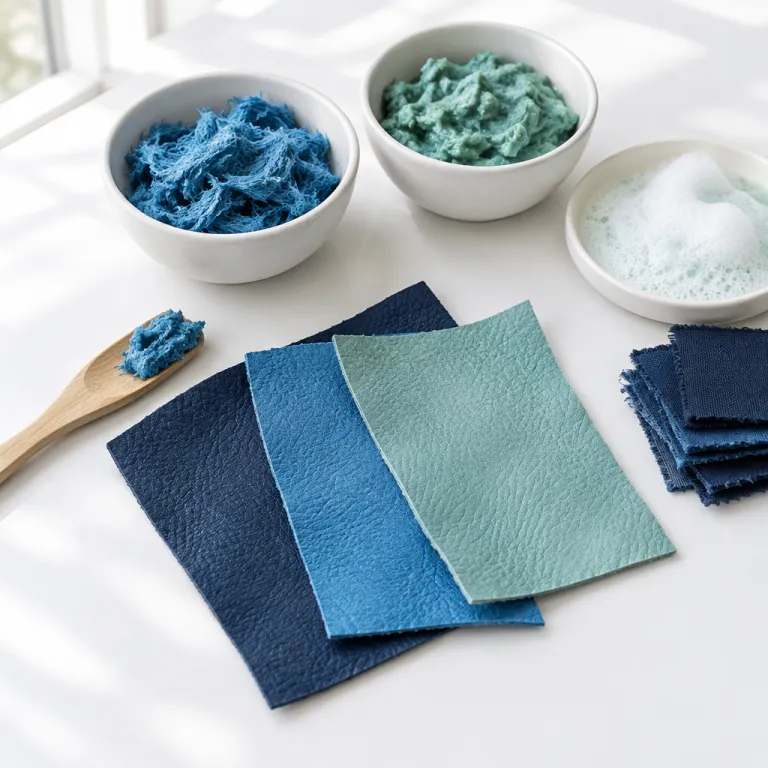
The original promise of cactus leather for luxury owners
The first serious cactus leather Desserto durability review starts with the promise. Desserto, created by Adriano Di Marti, positioned its cactus leather as a premium plant based material that could rival animal leather in feel, durability and elegance for discerning owners. For a luxury bag collector used to full grain animal hide from Italian tanneries, the idea of a vegan cactus material that is eco friendly, animal free and visually refined sounded almost too good to ignore.
At launch, the narrative was clear and compelling for the conscious luxury market. Nopal cactus, a hardy cactus plant grown in Mexico, would be harvested without killing the plant, then transformed into a bio based cactus biomass that became the core of a new vegan leather, with water use and land impact far below cattle ranching. The resulting cactus leather, sometimes called leather cactus or simply Desserto cactus, was framed as a leather alternative that could give fashion brands a sustainable path away from animal hide without sacrificing the tactile pleasure of leather durable enough for daily use.
For owners of premium bags and backpacks, the question was never only about ethics. You wanted to know whether this new vegan material cactus blend could handle the abrasion of shoulder bags on wool coats, the flexing of a structured bag clasp, or the weight of a laptop in plant based backpacks. Early marketing suggested that cactus leather materials were not just animal free and vegan leathers, but genuinely leather durable, suitable for long term wear in the same way as traditional animal leather used in high end fashion bags.
What cactus leather is really made of
Any honest cactus leather Desserto durability review has to start with composition. Desserto cactus leather is not pure cactus biomass pressed into sheets, but a composite material cactus blend where powdered or processed nopal cactus is combined with polyurethane and other binders. That means the material is only partially bio based and only partially biodegradable, which matters for both sustainability claims and how the vegan leather behaves over time in luxury bags.
In practice, the percentage of cactus plant content versus synthetic content varies between materials and between brands. Some fashion brands have commissioned custom materials with higher cactus biomass content for limited edition bags or backpacks, while others use standard Desserto cactus material with a lower plant based share to improve durability and scratch resistance. This mix of plant and polymer explains why cactus leather can feel supple and premium at first touch, yet age more like coated textiles than like traditional animal leather in a long term cactus leather Desserto durability review.
For a luxury owner comparing vegan leathers, this hybrid nature is crucial. You are not choosing between pure plant based materials and pure animal hide, but between different composites that sit on a spectrum from bio based to fully synthetic, each with its own durability profile and care needs. A detailed guide to high quality faux leather materials, such as the one on exploring the world of high quality faux leather, helps frame Desserto cactus leather as one option among many leather alternatives, rather than a magic bullet that replaces every type of animal leather in every premium bag category.
Durability in the real world: cracking, creasing and patina
After several years of real use, the cactus leather Desserto durability review becomes more nuanced. On small goods such as card holders, slim clutches and light duty shoulder bags, cactus leather can remain visually clean, with edges intact and surfaces largely free from peeling when treated with the same care you would give a delicate leather vegan accessory. Owners report that the material cactus surface resists light rain and occasional scuffs better than some cheaper animal leather splits, especially when the bags are not overloaded.
Heavier use tells a different story, especially for structured backpacks and work bags that carry laptops or documents. In these cases, repeated flexing at stress points can lead to micro cracking in the polyurethane rich top layer of the vegan leather, which over time may show as fine white lines or dull patches rather than the deepening patina you expect from premium animal leather. The cactus based backing, derived from nopal cactus biomass, does not stretch and recover like collagen fibers in animal hide, so creases tend to remain more rigid and less graceful, particularly on corners and handles of plant based fashion bags.
For connoisseurs used to vegetable tanned animal leather that darkens and softens with age, this is the decisive difference. Cactus leather and other vegan leathers do not truly develop patina ; they either stay visually stable for a while or they deteriorate once the coating begins to fatigue, which shapes whether they can satisfy the quiet luxury expectations of long term owners. A thoughtful analysis of whether vegan leather can match the prestige of traditional goods, such as the piece on conscious luxury and vegan leather prestige, is essential context when you weigh cactus leather against classic leather alternatives in your own collection.
Where cactus leather works in luxury, and where it fails
Looking across the market, a pattern emerges in any serious cactus leather Desserto durability review. Cactus leather performs best in light duty applications where the bag or accessory is not constantly flexed, overloaded or exposed to sharp abrasion, such as evening bags, minimalist crossbody pieces and some shoulder bags with soft structures. In these contexts, the vegan cactus material can feel convincingly premium, with a matte finish and pleasant hand that suits understated fashion brands aiming for sustainable positioning.
By contrast, structured work bags, travel backpacks and large totes expose the limits of this plant based leather alternative. The combination of cactus biomass and polyurethane can handle moderate loads, but repeated stress at handles, strap attachments and zipper corners often reveals that the material cactus composite is less forgiving than full grain animal leather, especially when the bags are used daily. Some brands that initially launched cactus leather collections for heavy use categories have quietly shifted back toward other vegan leather materials or even returned to animal hide for their most demanding designs.
For the conscious luxury buyer, the practical takeaway is clear and grounded in real use rather than marketing. Choose cactus leather and related leather alternatives for pieces where you value animal free, eco friendly credentials and moderate durability, while reserving traditional animal leather or the most robust leather vegan composites for items that must endure years of hard service. When you evaluate new plant based materials, ask directly about weight limits, flex testing and warranty terms, because a truly leather durable vegan material should be backed by more than a sustainability story and a few early press releases.
Sustainability, trade offs and what to buy next
Sustainability is the reason cactus leather exists, so any cactus leather Desserto durability review must weigh ethics against performance. Nopal cactus cultivation requires far less water and land than raising cattle for animal leather, and the cactus plant can grow on marginal soils while storing carbon in its biomass, which makes Desserto cactus and similar bio based materials attractive for brands seeking lower impact options. At the same time, the polyurethane content and limited recyclability of these vegan leathers mean they are not a perfect environmental solution, only a meaningful step away from animal based supply chains.
For luxury owners in the United States, another layer enters the decision making process. Trade policies such as Section 301 tariffs can affect both animal leather and vegan leather pricing, especially when materials or finished bags cross multiple borders before reaching your wardrobe, as explored in this analysis of what new Section 301 tariffs mean for the leather in your cart. These economic pressures may push some fashion brands toward more plant based or animal free materials, not only for sustainability reasons but also to manage costs and supply risks in a volatile market.
For your next purchase, think in terms of a diversified materials wardrobe rather than a single perfect solution. Use cactus leather and other vegan leather alternatives for statement pieces, seasonal bags and items where animal free credentials matter most to you, while keeping a core of well made animal leather pieces for the heaviest daily use where proven durability and graceful aging still set the benchmark. This balanced approach respects both your values and your expectations as a connoisseur, acknowledging that the plant based promise is real but not yet a complete replacement for every role that leather plays in a refined collection.
FAQ
Is cactus leather from Desserto as durable as traditional animal leather ?
Cactus leather from Desserto can be durable enough for light duty use, especially in small bags and accessories that are not heavily loaded or flexed. It generally does not match the long term resilience of high quality full grain animal leather in demanding applications such as work bags or travel backpacks. Owners should treat it more like a refined coated textile than a lifetime material for extreme daily wear.
Does cactus leather develop patina like premium animal hide ?
Cactus leather does not develop patina in the same way as vegetable tanned animal hide, because it is a composite of cactus biomass and polyurethane rather than a dense collagen fiber network. Over time, well cared for pieces may remain visually stable for several years, but once wear appears it tends to show as surface dulling or micro cracking rather than deepening color and character. Collectors who value patina should view cactus leather as a complementary option, not a replacement for their most cherished patina driven pieces.
How should I care for cactus leather bags and backpacks ?
Caring for cactus leather is closer to caring for coated fabrics than for traditional leather, so avoid waxy creams or heavy oils that are designed for animal hide. Use a soft damp cloth for gentle cleaning, keep the bags away from high heat sources and store them stuffed to reduce sharp creases at stress points. Regularly rotating your cactus leather pieces with other bags in your collection will also help extend their practical durability.
Is cactus leather really more sustainable than animal leather ?
Cactus leather typically has a lower water footprint and land use impact than cattle based leather, because nopal cactus grows in arid regions and can be harvested without replanting. However, the presence of polyurethane and other synthetics means it is not fully biodegradable or easily recyclable, so it should be seen as a lower impact alternative rather than a perfect solution. For a sustainability focused collection, it works best alongside responsibly sourced animal leather and other advanced bio based materials.
Which types of luxury pieces are best suited to cactus leather today ?
Cactus leather is currently best suited to small accessories, evening bags, light crossbody designs and some shoulder bags that are not expected to carry heavy loads every day. These categories allow the material to showcase its aesthetic qualities and sustainable story without being pushed beyond its structural limits. For heavy duty items such as large totes, work bags or travel backpacks, most connoisseurs still prefer robust animal leather or the most advanced synthetic composites.