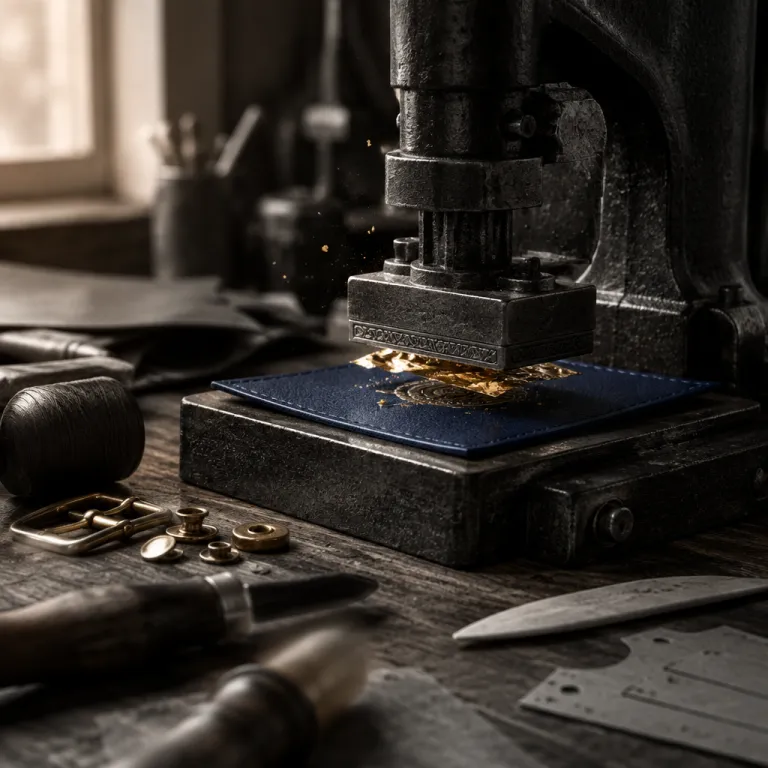
Why Ettinger London leather goods matter in a logo led age
Ettinger London leather goods sit in a rare space where British understatement quietly challenges Mediterranean glamour. For a collector used to Italian calf and French chèvre, an Ettinger British piece feels like an argument in your pocket that luxury leather does not need a monogram to be understood. The house has built its reputation on small leather goods rather than bags, and that focus shapes everything from the regular price structure to the way each wallet or card case is stitched and burnished.
When you handle an Ettinger wallet in black, tan or marine blue, the first impression is not softness but structure, then a slow yielding as the hide warms in the hand and the grain starts to relax. This is especially true of the bridle hide ranges, where the bridle leather heritage shows in the way the surface bloom gradually polishes away, revealing a deep shine that feels closer to a well used saddle than a fashion accessory. For owners who track every price sale and sale price across maisons, the value here lies less in discount and more in how the leather goods age into a personal archive of use.
The brand’s decision to keep manufacturing in England means that every billfold wallet, card case or pen case carries a specific cultural weight. You are not just buying leather goods ; you are buying into a workshop rhythm where regular production is balanced against a selection full of niche colours like petrol blue and forest green that would never survive a mass market cart algorithm. That quiet resistance to volume driven thinking explains why so many pieces are sold to repeat clients who already know their choosing selection before they even open the digital cart.
Made in England when most luxury leather moved away
Producing Ettinger London leather goods in England today means accepting higher costs in exchange for control over every hide and every stitch. While many competitors shifted leather goods production to lower cost regions, Ettinger British workshops kept their cutting tables in the Midlands, where bridle hide and capra goat skins are still handled by people who grew up around saddlery and equestrian tack. That continuity shows in the regular way edges are creased, painted and polished until the case or wallet feels almost architectural.
For a collector who already owns Italian vegetable tanned billfolds, the difference is immediate when you compare a bridle hide billfold wallet from Ettinger with a Tuscan equivalent. Italian hides tend to be more open pored and aromatic, while the English bridle leather is denser, waxier and slower to give, which means the price you pay is repaid over a longer patina journey rather than an instant break in. This is the same mindset that keeps vintage focused collectors returning to heritage pieces, just as they do with long lived French trunks or the kind of archival handbags explored in this analysis of why vintage Louis Vuitton handbags remain timeless treasures for collectors.
Keeping production local also shapes how Ettinger manages its regular price and any rare price sale events, because the cost base is anchored in British wages and long term supplier relationships. You will not see wild sale price swings or flash sale banners ; instead, pieces are sold steadily, with the cart experience feeling almost old fashioned in its simplicity. For owners used to full refresh website theatrics, the way an Ettinger product page simply opens window after window of calm photography can feel like a palate cleanser.
Bridle hide, capra goat and the way Ettinger leather ages
The core story of Ettinger London leather goods is written in three materials ; bridle hide, capra goat and fine calf for linings and accents. Bridle hide is a traditional English leather originally developed for horse bridles, where the hide had to resist sweat, rain and constant flex without cracking, and that heritage still defines how an Ettinger British billfold wallet behaves in daily use. Out of the box, a bridle hide case in black or tan can feel almost too rigid, but that is precisely why the long term patina is so satisfying.
As you slide the wallet into a jacket pocket, the waxes in the bridle leather respond to warmth and movement, gradually moving from a matte bloom to a deep, almost glassy shine. The same is true for a bridle hide card case or a compact pen case, where the edges round off and the colour in shades like marine blue, petrol blue or forest green gains depth rather than simply fading. Capra goat, by contrast, brings a fine pebbled grain and a lighter hand, making it ideal for interiors where cards, sterling notes and receipts need a little more give without sacrificing structure.
Owners who enjoy tracking the micro stages of patina will notice how the hide double layers in a double pen case or a hide double card slot compress differently over time. The outer bridle hide keeps its disciplined profile, while the inner capra or calf leather moulds to each card, creating a subtle topography of use that no sale price can capture in a product description. This is where Ettinger’s approach echoes the quiet evolution of classic medical silhouettes, the kind of slow burn elegance explored in essays on the timeless elegance of the leather doctor bag.
Specialising in wallets and cases, not chasing bag trends
While many luxury houses chase the next bag silhouette, Ettinger London leather goods remain anchored in small formats ; wallets, card cases, billfolds and travel accessories. That narrow focus allows the brand to refine details that larger maisons often treat as secondary, such as the exact tension of a card slot or the way a sterling note sits flush in a billfold wallet without catching on the stitch line. When you compare a regular Ettinger British wallet to a fashion driven piece at a similar price, the difference lies less in logo and more in how the leather goods behave after several years of use.
The colour palette is equally deliberate, with black, tan, marine blue, petrol blue and forest green forming a quiet spectrum that works across formal and casual wardrobes. You might order a marine blue card case for a navy suit, then add a forest green pen case or double pen case for a more relaxed weekend bag, building a selection full of related tones rather than chasing seasonal shades. Each time you add another piece to your cart, you are effectively choosing selection within a coherent system, not just reacting to a sale price or a limited edition drop.
This restraint extends to distribution, where most pieces are sold through a handful of retailers and a direct website that feels almost analog in its simplicity. There is no aggressive full refresh of trends every season, no influencer led opens window pop ups, just a regular cadence of restocks that reward patience. For collectors who follow shifts in creative direction at larger groups, such as the leadership changes discussed in this strategic analysis of how Kering manages Bottega Veneta, Ettinger offers a counterpoint where continuity matters more than headlines.
How Ettinger British craft compares with Italian and French traditions
Set an Ettinger London leather goods piece next to an Italian or French equivalent and the contrasts become instructive. Italian workshops often prioritise supple vegetable tanned calf with open grain and a quick break in, while French maisons lean into ultra fine, corrected grain leathers with immaculate finishing and a certain visual polish. Ettinger British craft sits somewhere else entirely, closer to saddlery in its handling of bridle hide and more restrained in its use of colour and hardware.
On an Ettinger wallet or card case, you will rarely see overt branding ; the story is in the edge paint, the stitch regularity and the way the hide carries its natural character rather than being sanded into anonymity. That approach affects how you evaluate price and regular price, because you are paying for material integrity and workshop time rather than marketing overheads or seasonal campaigns. When a piece eventually appears at a modest price sale, the sale price reflects inventory management rather than a race to clear trend driven goods from the cart.
For owners used to the theatre of flagship boutiques, the online experience can feel almost austere, with product pages that simply opens window views of the same wallet in black, blue, green or tan without animation or forced full refresh effects. Yet this understatement is precisely why many connoisseurs keep returning, building a personal selection full of Ettinger British pieces that sit quietly alongside Italian and French favourites. In a market where so much luxury leather is sold as spectacle, Ettinger London leather goods offer something rarer ; the calm satisfaction of choosing selection based on touch, grain and long term behaviour rather than on the latest campaign.
FAQ
How does bridle hide from Ettinger compare to other leathers in daily use ?
Bridle hide from Ettinger is denser and more wax rich than most calf leathers, so it starts stiffer but softens slowly with regular handling. In daily use, an Ettinger wallet or card case in bridle hide will resist scuffs and moisture better than many fashion leathers, then develop a deep shine as the waxes migrate and the surface is polished by pockets and hands. If you prefer a quicker break in, the capra goat options offer more immediate flexibility while still retaining strong structure.
Are Ettinger London leather goods good value at their regular price ?
Ettinger pieces sit in a segment where the regular price reflects British manufacturing costs, high grade hides and conservative distribution rather than heavy marketing. For owners who keep a billfold wallet or pen case for a decade or more, the cost per year of use often compares favourably with trend driven items that are replaced more frequently. Occasional price sale events exist, but the core value is in the way the leather goods age and remain serviceable rather than in chasing the lowest sale price.
Which colours age best in Ettinger British wallets and cases ?
Darker shades like black, marine blue and forest green tend to show scratches less and develop a more even patina on bridle hide. Tan and petrol blue can be more expressive, revealing a wider range of tones as the waxes move and the surface is polished through wear. Many collectors build a selection full of both, using darker colours for formal settings and more characterful shades for casual or travel pieces.
Should I choose bridle hide or capra goat for my first Ettinger piece ?
If you enjoy structured leather that tells a long term story, bridle hide is the most emblematic Ettinger choice for a first wallet or card case. Capra goat is better if you prefer a lighter, more flexible feel in hand, especially for compact pieces that carry many cards or receipts. Some owners eventually combine both, using bridle hide for outer shells and capra lined interiors or pen cases to balance rigidity and suppleness.
Do Ettinger London leather goods require special care products ?
Most Ettinger items only need occasional wiping with a soft, dry cloth and very sparing use of a neutral leather conditioner on bridle hide when the surface looks dry. Over conditioning can clog the pores and mute the natural sheen, so it is better to let regular handling and gentle brushing do most of the work. Capra and calf interiors should be kept away from oils and inks, especially in pen cases and double pen cases, to avoid stains that are difficult to remove.