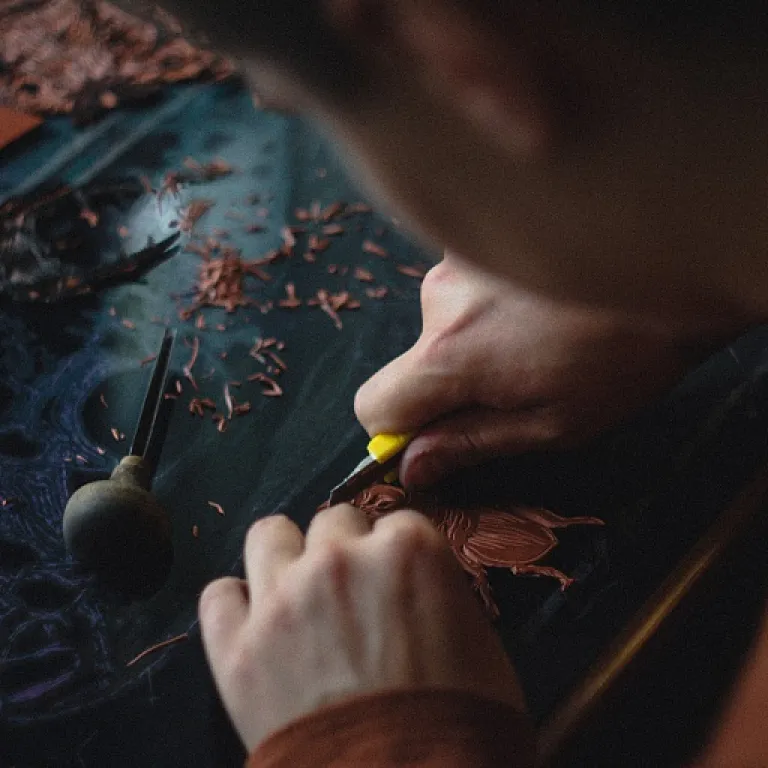
Material origins and craftsmanship
From Animal Hide to Iconic Luxury
When exploring luxury leather goods, understanding the origins of leather and suede is essential. Both materials start with animal hides, but their journeys diverge through unique tanning and finishing processes. Leather, especially full grain and vegetable tanned leather, is crafted from the outermost layer of the hide, often from cow, goat, or other animals. This layer is prized for its strength, natural grain, and ability to develop a rich patina over time. Suede, on the other hand, is made from the underside of the hide, resulting in its signature velvety texture and soft surface. Suede leather is typically sourced from the split of the hide, which gives it a more delicate feel compared to the robust nature of grain leather.
The craftsmanship behind these materials is a testament to the expertise required in luxury leather goods. Artisans carefully select the best animal hides, ensuring that only the finest quality is used for items like leather jackets, bags, backpacks, and accessories. The tanning process—whether it’s vegetable tanned or chrome tanned—plays a crucial role in determining the final character of the material. For instance, vegetable tanned leather is known for its eco-friendly process and ability to age beautifully, making it a favorite for leather bags and best sellers in the shop sale category.
Suede’s appeal lies in its soft, tactile experience, making it a popular choice for shoes, gifts, and even christmas gifts. However, its open-pore structure means it requires more attentive care, a topic explored further in the care and maintenance section. In contrast, natural leather and full grain leather are celebrated for their durability and longevity, which are key considerations for luxury collectors and those seeking value retention in their investments.
Whether you’re drawn to the classic look of brown leather jackets, the refined touch of leather hand accessories, or the casual elegance of suede tote bags and backpacks, the type of leather used defines not only the item’s appearance but also its performance and care needs. For a deeper dive into the world of premium hides, discover the allure of Nappa leather and how it stands out among luxury materials.
Texture and tactile experience
Exploring the Feel: Suede vs Leather in Hand
When you pick up a luxury bag, jacket, or accessory, the first thing you notice is the surface. Suede and leather offer distinct tactile experiences that set them apart in the world of luxury goods. Suede, often crafted from the underside of animal hides like goat or calf, is celebrated for its velvety texture. This soft, almost plush feel makes suede leather a favorite for items like shoes, tote bags, and even backpacks where a gentle touch is desired.
In contrast, natural leather, especially full grain or vegetable tanned leather, presents a firmer, more structured hand. The grain leather surface can be smooth or pebbled, depending on the type leather and finishing. This gives leather jackets and leather bags a robust, substantial feel that many luxury collectors appreciate for its sense of durability and tradition.
- Suede: Velvety, soft, and inviting to the touch. Ideal for gifts or accessories where a gentle texture is prized.
- Leather: Structured, resilient, and often cool to the touch. Perfect for best sellers like leather backpacks and classic brown leather jackets.
Another key difference lies in how each material interacts with water and care routines. Suede’s open pores make it more sensitive to moisture, requiring careful handling and specialized care products. Leather, especially full grain or tanned leather, is naturally more resistant to water and stains, though it still benefits from regular conditioning.
Whether you are shopping for christmas gifts or adding to your collection of bags backpacks, understanding these tactile qualities helps you choose the right material for your lifestyle. For those interested in how these textures translate to smaller accessories, explore the leather hand feel in tech accessories for a closer look at daily luxury.
Durability and longevity in luxury collections
How Suede and Leather Stand Up Over Time
When investing in luxury items like leather bags, jackets, or accessories, durability is a top concern. The way leather and suede age, and how they respond to daily use, can influence your decision—especially if you are considering gifts or adding to your collection of best sellers.
- Leather: Full grain and vegetable tanned leather are known for their resilience. These types of leather, often made from animal hides such as goat or cow, develop a unique patina over time. This natural process enhances the character of leather hand goods, making each piece distinct. Leather bags, backpacks, and jackets crafted from full grain or natural leather are less prone to surface scratches and can handle water exposure better than suede, though care is still essential.
- Suede: Suede leather, with its velvety texture, offers a soft and luxurious feel. However, its open grain and porous surface make it more susceptible to stains, water damage, and wear. Suede shoes and bags require careful handling, especially in wet or muddy conditions. Regular care is crucial to maintain their appearance and prevent permanent marks.
For those who value longevity in their luxury collections, understanding the differences in material resilience is key. Leather backpacks and tote bags made from tanned leather or grain leather can become lifelong companions with proper care. Suede, while beautiful, may be better suited for special occasions or as seasonal statement pieces.
For a deeper dive into how rugged leathers like rough out stand up to the elements, check out this analysis of rough out cowboy boots and their appeal among luxury leather enthusiasts.
Ultimately, whether you prefer the robust nature of natural leather or the soft allure of suede, your choice will shape the longevity and character of your luxury items—be it brown leather jackets, goat leather accessories, or suede leather gifts for Christmas.
Care and maintenance challenges
Everyday Realities of Caring for Suede and Leather
When it comes to luxury bags, jackets, shoes, and accessories, the care and maintenance of suede and leather are crucial for preserving their beauty and value. Owners quickly notice that each type of material—whether it’s full grain leather, suede leather, or vegetable tanned leather—demands its own approach. Understanding these differences helps you make informed choices and keep your items looking their best.
- Suede: Known for its velvety texture and soft surface, suede is more sensitive to water and stains. Even a light drizzle or accidental spill can leave marks, so it’s best to avoid wearing suede shoes or bags in wet weather. Regular brushing with a dedicated suede brush helps maintain the nap and remove surface dirt. For deeper cleaning, specialized suede cleaners are recommended, but always test on a small area first.
- Leather: Natural leather, especially full grain and grain leather, is more robust but still requires attention. Leather jackets and leather bags benefit from occasional conditioning to prevent drying and cracking. A damp cloth can handle most surface dirt, but for stains, use cleaners formulated for tanned leather. Avoid harsh chemicals, as they can strip the natural oils from animal hides.
Both types of material—whether you’re caring for brown leather backpacks, tote bags, or best sellers from a shop sale—should be stored away from direct sunlight and heat sources. This prevents fading and maintains the integrity of the leather hand and suede finish. For long-term storage, stuff bags and shoes with acid-free paper to help them keep their shape.
It’s also worth noting that goat suede and other softer types of leather are especially delicate. These require extra care, particularly when it comes to water exposure and cleaning. Investing in protective sprays can help, but always check compatibility with your specific type of leather or suede.
Ultimately, the right care routine extends the life of your luxury items, whether they’re gifts, Christmas gifts, or personal treasures. Regular attention ensures your collection of bags, backpacks, and accessories remains a source of pride and enjoyment for years to come.
Styling and seasonal considerations
Adapting Your Wardrobe: When to Choose Suede or Leather
Styling with luxury leather goods is about more than just the look; it’s about understanding how each material fits into your lifestyle and the changing seasons. Both suede and leather have their place in a well-curated collection, but their characteristics influence when and how you’ll want to wear them.
- Seasonal Suitability: Suede, with its velvety texture and soft surface, is often favored for autumn and winter. Its plush feel pairs well with cozy outfits and adds warmth to your look. However, suede’s porous nature means it’s less resistant to water, so it’s best to avoid it on rainy days or in damp climates. Leather, especially full grain and vegetable tanned leather, is more versatile year-round. Its natural resistance to water and wear makes it suitable for both winter and summer, whether in leather jackets, bags, or shoes.
- Styling Versatility: Leather bags, backpacks, and jackets offer a classic, structured silhouette that transitions easily from day to night. They work well with both formal and casual outfits. Suede leather, on the other hand, brings a relaxed, tactile appeal to accessories like tote bags, shoes, and gifts. Its matte finish and soft hand make it a favorite for understated luxury.
- Color and Texture Choices: Natural leather and grain leather are available in a wide range of colors, from deep brown to vibrant hues, making them easy to coordinate with different outfits. Suede’s muted tones and unique nap add depth to your wardrobe, especially in earth tones and pastels. Goat suede and other types of animal hides offer subtle variations in grain and softness, giving each item a distinct character.
- Occasion and Use: For everyday use, leather backpacks and bags are practical and durable, handling the demands of daily life with ease. Suede items, while luxurious, are better reserved for special occasions or environments where care can be taken to avoid stains and water exposure.
Whether you’re shopping for best sellers, unique accessories, or thoughtful Christmas gifts, consider the type of leather and its intended use. The right choice will not only elevate your style but also ensure your investment stands the test of time and trends.
Value retention and investment potential
Investment Value: Leather vs Suede in the Luxury Market
When considering luxury goods as investments, the type of material—leather or suede—plays a significant role in value retention. Both materials, whether used in bags, jackets, shoes, or accessories, are sourced from animal hides and crafted with meticulous care. However, their long-term worth can differ due to their inherent properties and market perceptions.
- Leather: Full grain and vegetable tanned leather are especially prized for their durability and ability to develop a unique patina over time. This natural aging process enhances the appeal of leather bags, backpacks, and jackets, often increasing their desirability among collectors. Items made from grain leather or natural leather tend to hold their value well, particularly when they come from renowned luxury brands or are considered best sellers.
- Suede: Suede leather, with its velvety texture and soft surface, offers a distinct tactile experience. While suede bags, shoes, and accessories are highly sought after for their luxurious feel, they are more susceptible to water and stains. This can impact their long-term condition and, consequently, their resale value. Proper care is essential to maintain the appearance of suede items, but even with diligent maintenance, suede generally does not retain value as robustly as grain leather or full grain leather products.
Market trends also influence value retention. For example, brown leather jackets and leather backpacks crafted from tanned leather are often considered timeless, making them reliable choices for those looking to invest in luxury goods. On the other hand, suede pieces may be more seasonally popular, which can affect their long-term investment potential.
| Material | Value Retention | Key Factors |
|---|---|---|
| Full Grain Leather | High | Durability, patina, brand reputation |
| Suede Leather | Moderate | Care, surface sensitivity, seasonal trends |
| Vegetable Tanned Leather | High | Natural aging, rarity, craftsmanship |
For those seeking gifts or considering luxury purchases as investments—whether it’s tote bags, leather hand accessories, or shop sale exclusives—understanding the subtle differences in material can help ensure your collection maintains both its beauty and its value over time.
